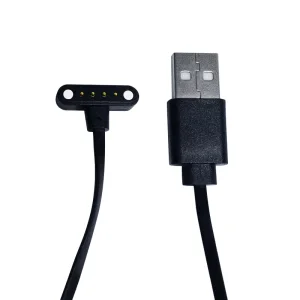
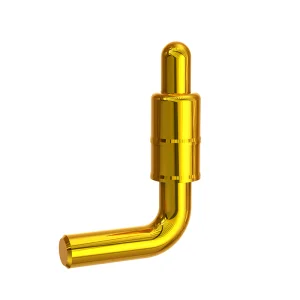
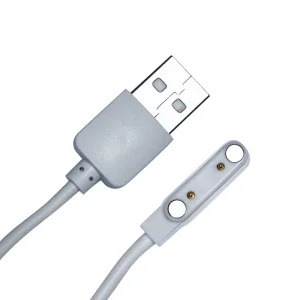
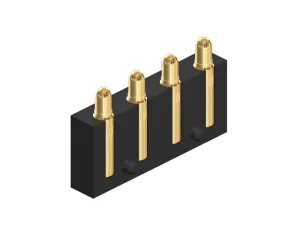
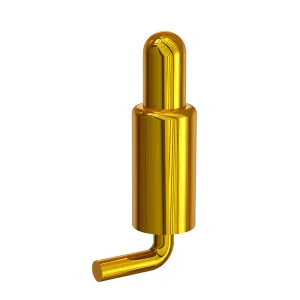
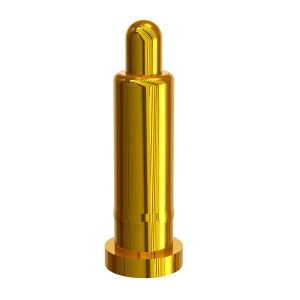
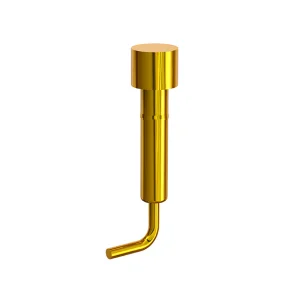
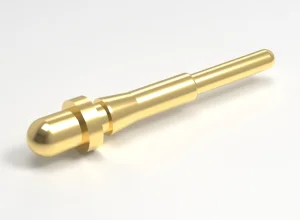
Engineered for instant alignment, high-mating lifecycles, and exceptional electrical conductivity. Discover our primary product catalog.
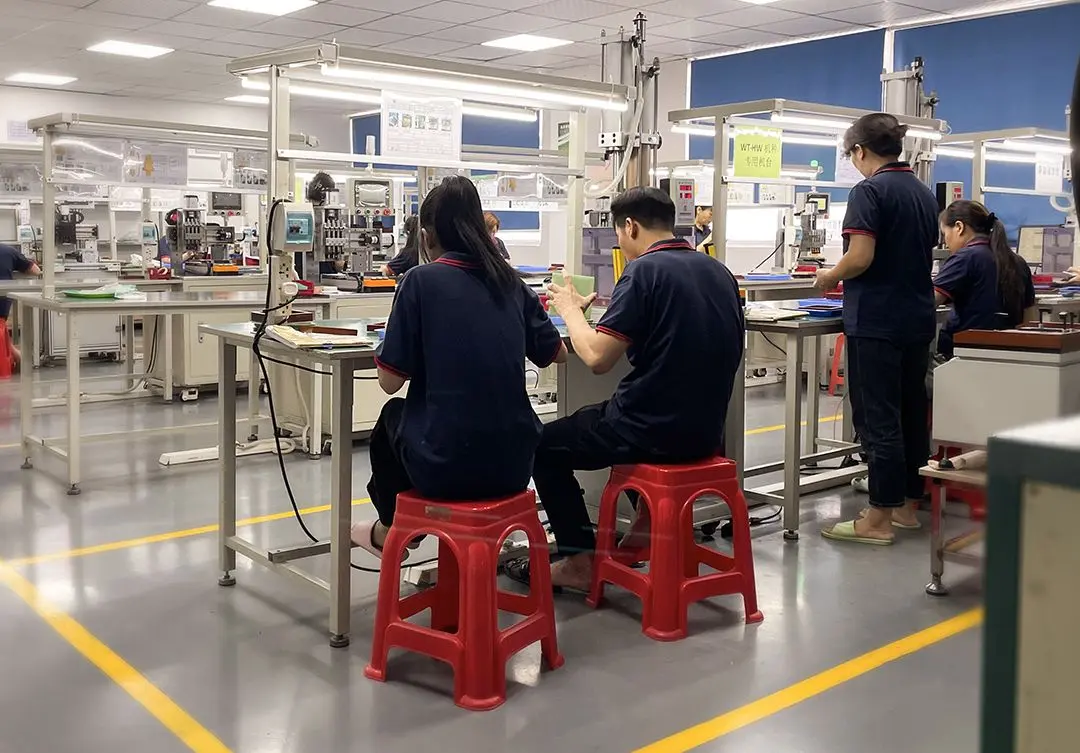
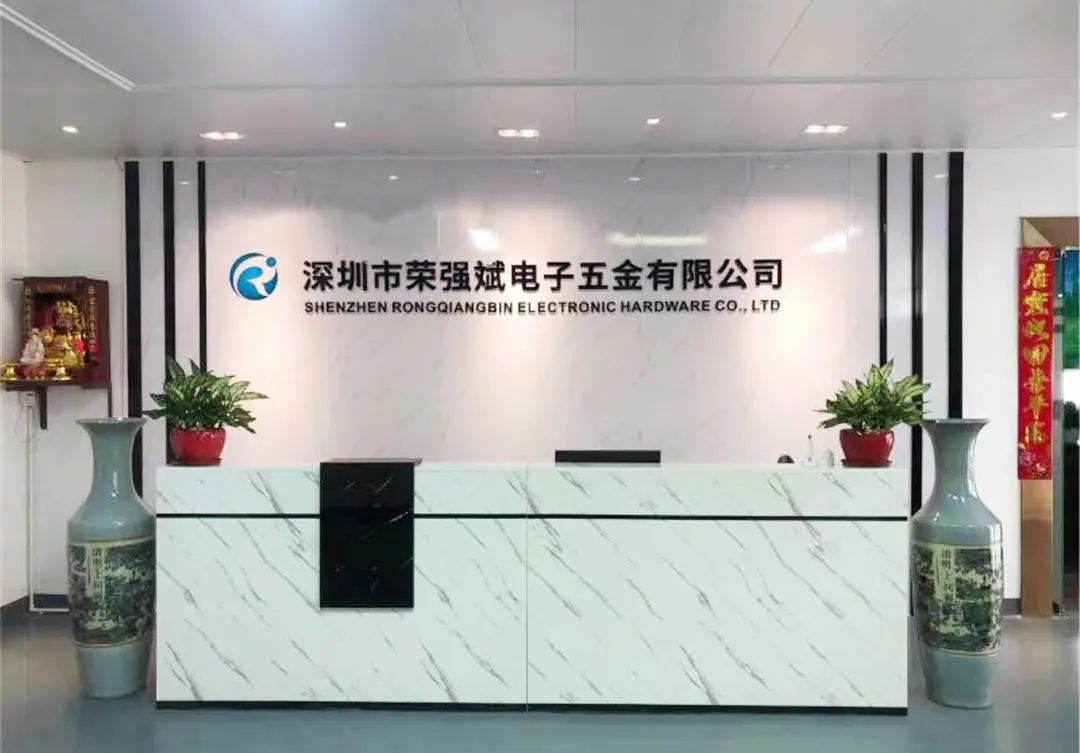
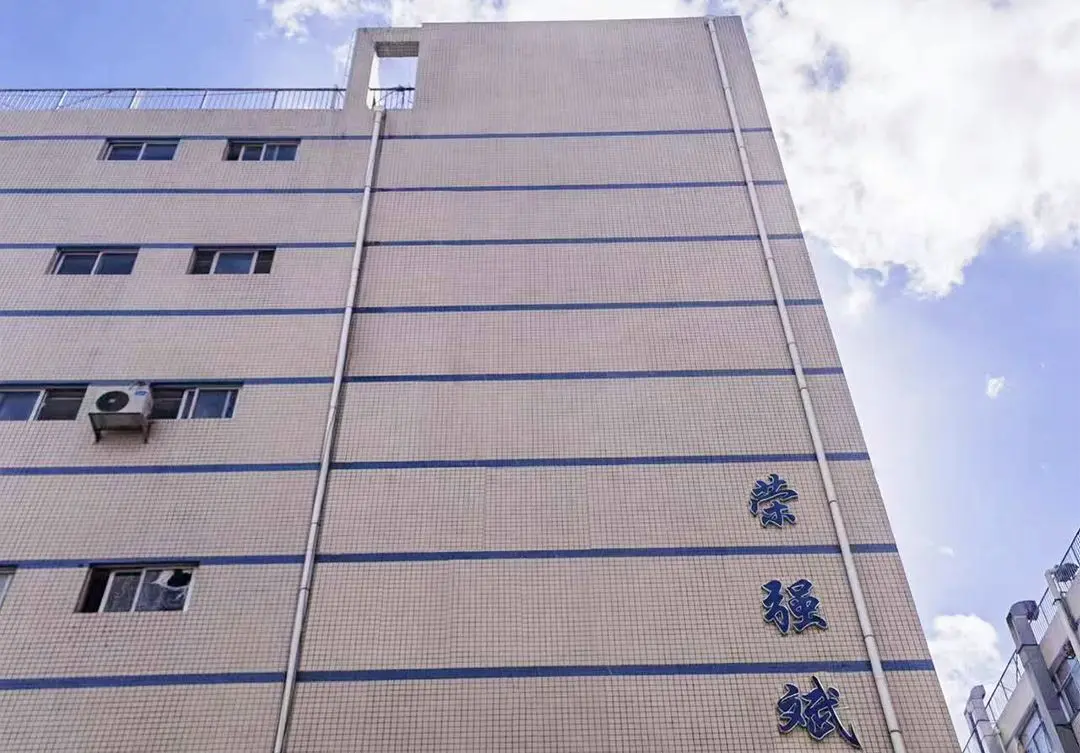
Based in the manufacturing core of Songgang Street, Shenzhen, within the highly dynamic Guangdong-Hong Kong-Macao Greater Bay Area, our company was founded in February 2011. We specialize comprehensively in the development, manufacturing, and marketing of high-performance pogo pin connectors, including custom 2-pin magnetic charging systems. Over a decade of aggressive continuous investment, technological refinement, and scale optimization has positioned us as a leading technical manufacturer on the global stage.
Our operations prioritize customer satisfaction and integrity. Backed by the rigorous ISO9001:2015 international quality management system certification, we implement an environment-conscious, zero-defect process design. Our customized electronic hardware solutions consistently fulfill strict international environmental criteria (including RoHS and REACH compliance).

An in-depth look at technology trends, supply chain efficiency, material sciences, and procurement optimization.
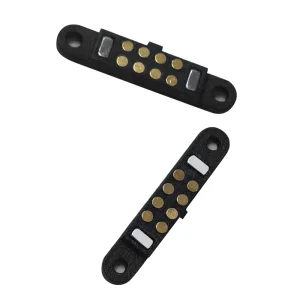
In the micro-electronics domain, design space is premium. The magnetic pogo 2-pin connector provides a seamless interface that fulfills two critical roles: power transmission and grounding, or simple two-way data link signals. By embedding high-coercivity permanent magnets (such as Neodymium Iron Boron, or NdFeB), engineers eliminate the need for mechanical latches. This results in self-aligning connections, high waterproofing capabilities (up to IPX8), and a blind-mating experience that significantly enhances user satisfaction.
Miniaturization and high current carrying capacities are driving the magnetic connector market. Consumer electronics, healthcare patches, and smart apparel are demanding profiles under 2.0mm while requiring 3A to 10A currents. Modern 2-pin layouts incorporate advanced insulation borders to prevent arcing and electrolysis under sweat or moisture exposure.
Global sourcing directors seek a balance of unit economics and lifecycle validation. Cost efficiency ("cheap") must not mean compromised materials. Reliable plating is crucial: insufficient gold barrier diffusion leads to nickel allergy risks and contact resistance degradation. Procuring teams must verify salt spray resistance rating (typically 48h to 96h).
Based in Shenzhen, Rongqiangbin capitalizes on China's Industry 4.0 infrastructure. We combine high-speed precision swiss CNC lathes with automated in-line inspection systems. This close integration reduces cycle times, guarantees raw material trace-ability, and insulates global buyers from volatile material supply constraints.
How different industrial sectors leverage the cheap yet robust magnetic 2-pin configuration to create competitive hardware advantages.
The structural elasticity of a spring-loaded connector paired with a magnetic shroud resolves alignment errors instantly. In industrial and commercial applications, this minimizes physical damage to ports caused by forced insertions. Our clients cross multiple high-barrier industries, demonstrating our adaptability and quality standards:
Wearable insulin pumps and continuous glucose monitoring (CGM) systems require ultra-low-profile, high-integrity connections. Sweat and regular sterilization cycles demand gold/platinum alloy plating. Our 2-pin pogo assemblies feature biocompatible, hypoallergenic materials that resist chemical degradation and maintain low resistance below 30 milliohms over 50,000 mating cycles.
Security cameras, smart locks, and robotic vacuums demand charging docks that locate easily without human precision. Magnetic attraction forces must be calibrated carefully: too weak, and the device fails to charge; too strong, and detaching the unit becomes difficult. We customize target magnetic attraction from 100g to 800g depending on unit weight and orientation.
Automotive cabin telemetry and e-bikes use compact signal pins that resist vibrations and mechanical shocks. Custom spring forces are engineered to match vibration frequencies, preventing micro-interruptions in connection. These pins undergo dynamic resistance testing during design validation.
For space-critical designs, standard charging components are too bulky. SMD spring loaded pins allow automatic high-speed SMT reflow mounting directly onto PCBs. Our cheap, high-yield manufacturing ensures consumer brand margins remain protected even under highly competitive market pricing pressures.
Ensuring reliable contact resistance, spring force maintenance, and high corrosion protection through scientific material selections.
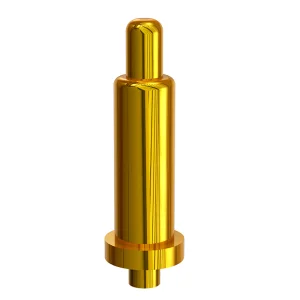
A cheap price point does not mean compromised specifications. A functional 2-pin pogo pin connector relies on three main components: Plunger, Barrel, and Spring. We select materials based on strict mechanical and electrical performance requirements:
Our products and solutions have been audited and deployed by top-tier global enterprise brands, validating our position as a high-quality supplier. Some of our key partners include:
Honeywell • Samsung • SIEMENS AG • ZTE • 360 • QCY • HAYLOU • Shanghai Laimu • Luxshare Group • Aoni Electronics • Amphenol Group
Expert responses to frequently asked engineering and procurement questions regarding 2-pin magnetic pogo connectors.
We recommend a nominal positional tolerance of ±0.05mm for both the male pogo pins and the female target pads. The magnetic enclosure should incorporate an alignment chamfer of at least 0.5mm to guide the mating components into position before the pogo pins make physical contact.
We achieve cost efficiency through three main operational approaches: first, our integrated CNC turning and in-house plastic injection molding reduce material waste; second, our custom high-speed automated assembly lines operate at 120 pieces per minute, lowering labor costs; and third, we locate our production within Shenzhen to keep component sourcing costs low.
We use multi-layer plating processes, applying a palladium-nickel (Pd-Ni) layer over a sulfamate nickel base, topped with a thick gold coating. This layer stack resists skin oils, acidic sweat, and environmental salt spray, preventing galvanic corrosion during charging cycles.
For most designs, we specify sintered Neodymium (NdFeB) grade N52. When application operating temperatures exceed 80°C, we utilize higher-temperature neodymium classes (like N52H or N52SH) or SmCo (Samarium Cobalt) magnets to prevent demagnetization.
Yes. Standard 2-pin layouts typically support 1A to 2A currents. To support high current transmission up to 5A or 10A, we utilize a ball-point or bias-tail internal plunger structure. This ensures the plunger maintains continuous contact with the inner barrel wall, minimizing electrical resistance and preventing spring burnouts.
Our manufacturing facility is ISO9001:2015 certified. All raw materials, including copper, plastics, and magnets, are fully traceable and comply with RoHS, REACH, and halogen-free directives.
Yes. We offer complete custom design support (ODM and OEM). We can provide 3D CAD step files within 48 hours, and deliver functional prototype samples within 7 to 10 working days using our rapid tooling services.
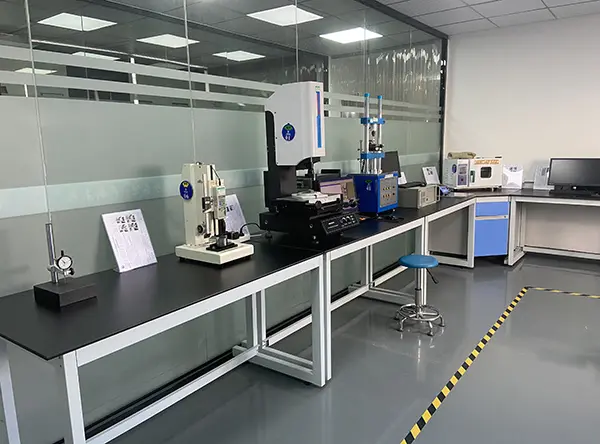
We use automated fatigue testers that cycle the pins under designated loads (typically 60g to 120g force) at speeds of 60 cycles per minute. We continuously measure changes in spring force and contact resistance, validating components to 50k, 100k, or up to 500k mating cycles.
From multi-pin custom arrays to rugged waterproof modules, we manufacture a wide range of spring-loaded interconnects.
 Rongqiangbin Electronic