 Rongqiangbin Electronic
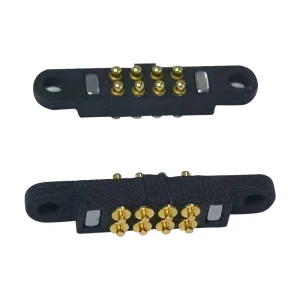
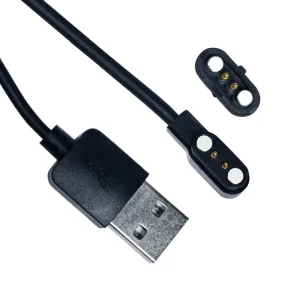
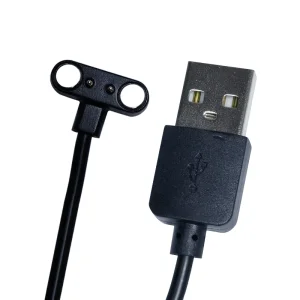
Industry Whitepaper: High-Frequency & Low-Cost Pogo Pin Optimization
In the rapidly shifting landscape of modern consumer electronics, automotive computers, and IC testing, the pogo pin test probe plays a key role as the primary electrical interface. This whitepaper analyzes the delicate trade-offs between precision engineering, material durability, cost frameworks, and supply chain logistics that procurement departments must navigate when evaluating cheap pogo pin test probe suppliers & factories.
1. The Mechanical Dynamics of Modern Pogo Pin Test Probes
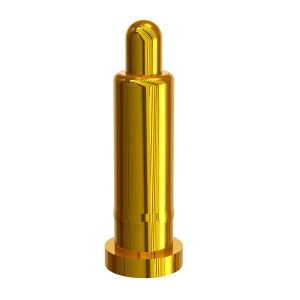
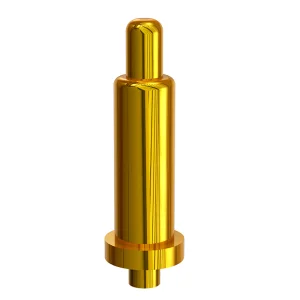
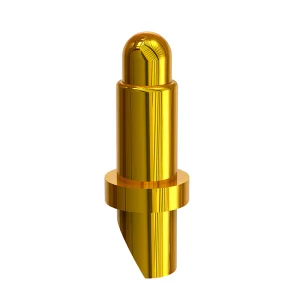
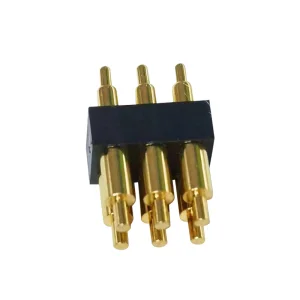
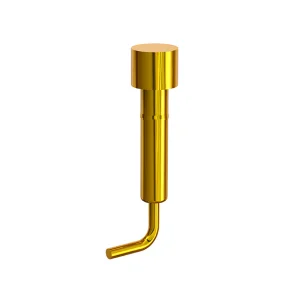
At its core, a Pogo Pin is a precision-engineered spring-loaded electrical contact mechanism. It consists of three fundamental structural components: a plunger, a spring, and a barrel. While the concept is simple, the internal geometry dictates the stability of the electrical contact under dynamic conditions:
Bias Ball Design
An internal golden ball is placed between the plunger and the spring to force the plunger into constant offset contact with the barrel wall, resulting in extremely low, stable contact resistance (typically <20 mΩ).
Back-Drill Construction
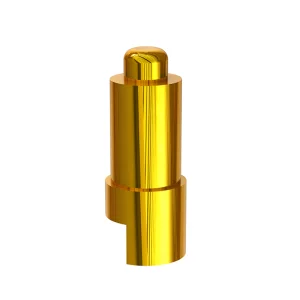
Designed for compact, low-profile spaces. By drilling deep into the tail of the plunger, the design permits longer springs within a shorter body, maximizing spring force deflection within restricted heights.
Hollow/Flat Tail Design
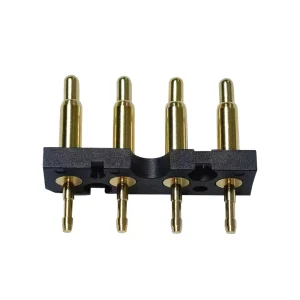
Optimal for standard surface mount technology (SMT) or through-hole reflow manufacturing, ensuring high solder joint integrity and clean vertical alignment on PCBs during high-speed pick-and-place processing.
2. Material Selection & Metallurgy Optimization
Achieving cost advantages without sacrificing signal integrity requires strict control over metallurgic parameters. The durability and impedance characteristics of a probe are determined by the chemistry of its raw components:
- The Plunger: Primarily manufactured from Brass alloys (such as C3604) for standard use, or Beryllium Copper (BeCu - C17300) for high-frequency test probes. BeCu exhibits superior hardness, enabling sharp tip geometries (such as 4-point crowns or chisel shapes) to easily pierce through oxidized solder joints on target boards.
- The Barrel: Typically formed from deep-drawn or CNC-turned Phosphor Bronze (C54400) or Brass, providing structural rigidity and resistance against wear during mating cycles.
- The Internal Spring: Typically made of Stainless Steel (SUS302/SUS304) for excellent mechanical elasticity and fatigue resistance, or Music Wire (SWP) for high spring force setups. Music Wire may be gold-plated to prevent internal corrosion and optimize auxiliary electrical pathways.
- Plating Specifications: Gold plating is essential for preventing corrosion and ensuring consistent electrical performance. Quality-focused manufacturers typically apply a Nickel base layer (50–120 u") to act as a diffusion barrier, topped with a functional Gold layer ranging from 3 u" up to 30 u" for high-end automotive test interfaces.
3. China's Supply Chain Advantages: High Quality at Reduced Cost
Why do top-tier electronics buyers choose Shenzhen-based suppliers for their spring-loaded pins? The answer lies in the concentrated industrial ecosystem of Shenzhen and the wider Guangdong-Hong Kong-Macao Greater Bay Area:
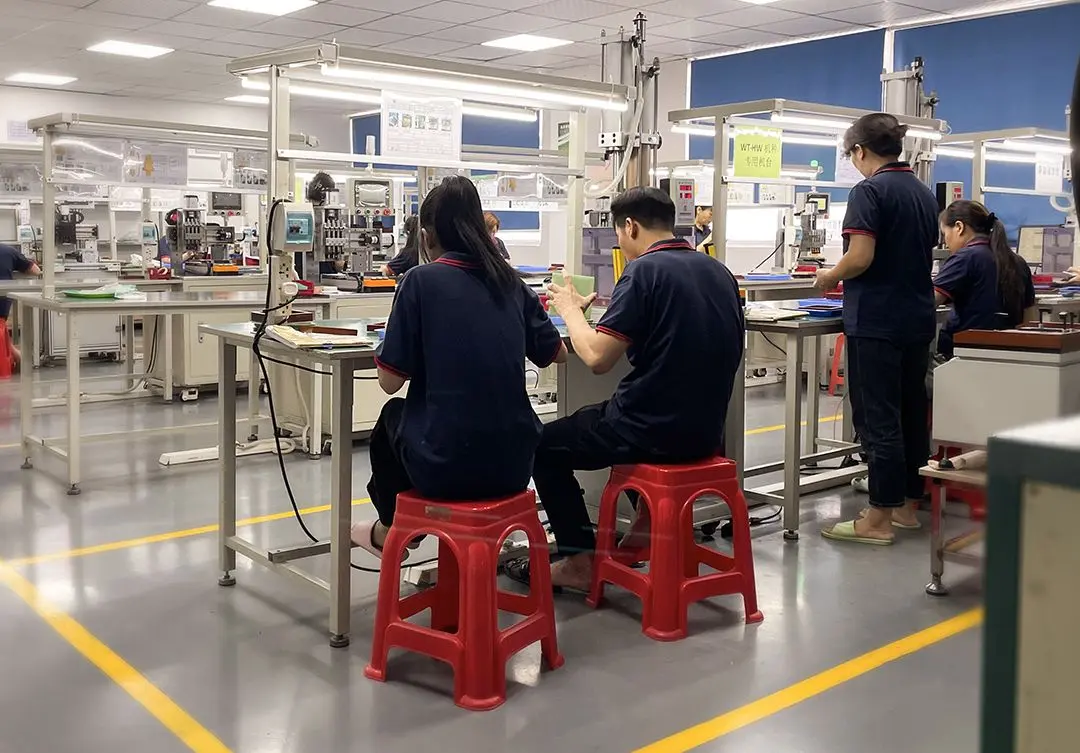
Vertical Integration: At Rongqiangbin, our entire manufacturing cycle is vertically integrated. From raw wire cutting and micro-precision CNC turning to automated assembly and optical sorting, everything occurs under a single quality control protocol. This localized density eliminates auxiliary logistics costs and reduces lead times from weeks to days.
Precision Machinery Scaling: By leveraging arrays of advanced Swiss-type CNC automatic lathes, we can achieve high dimensional stability (tolerances down to ±0.01 mm) at high speeds. These production efficiencies allow us to offer competitive pricing while maintaining the mechanical tolerances required for complex electronics manufacturing.