Engineered to withstand rigorous structural specifications, guaranteeing long-lifecycle mating integrity.
Understanding the transition toward zero-force magnetic alignment and pogo pin charging systems.
In modern industrial and consumer hardware, the quest for seamless power transmission has shifted from physical insertion sockets (like Micro-USB or standard USB-C) toward magnetic contact interfaces. At the forefront of this trend are Custom 2 Pin Magnetic Connectors. These components solve two massive pain points in micro-electronic packaging: mechanical wear-and-tear and ingress susceptibility.
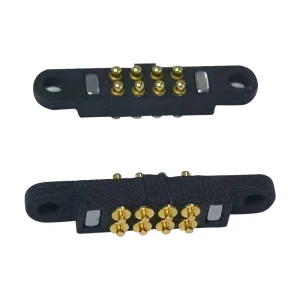
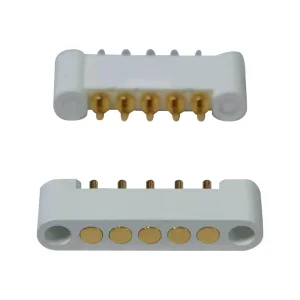
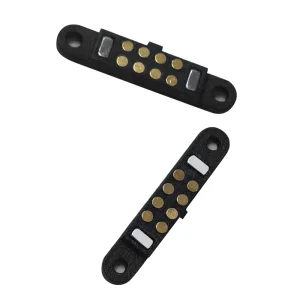
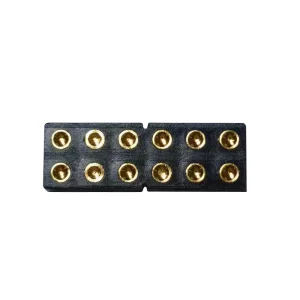
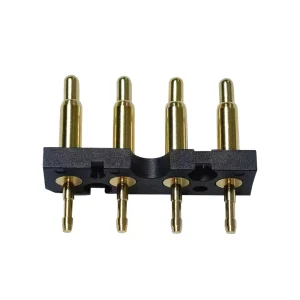
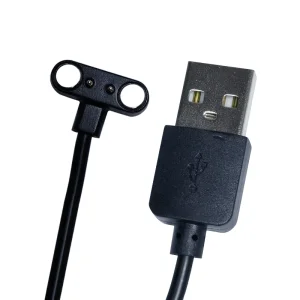
Unlike standard plug-and-receptacle interfaces that rely on structural friction, magnetic connectors use NdFeB (Neodymium) permanent magnets to guide the plug precisely over a pair of spring-loaded contacts (Pogo Pins). This configuration results in a "zero-force" mating sequence, effectively mitigating misalignment errors and preventing mechanical damage to the host board during accidental disconnects.
By calibrating the N-S polar orientation of dual-magnet systems in a 2-pin interface, engineers can force structural self-alignment. If the orientation is inverted, the mechanical assembly repels itself, preventing reverse-polarity short circuits before electrical contact is made.
A closer look at how custom 2-pin magnetic connectors achieve long-term resistance to environmental stress.
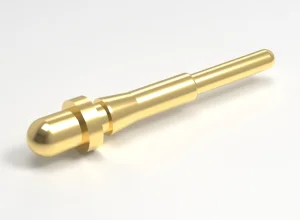
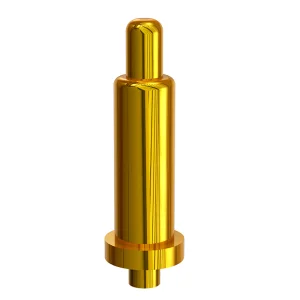
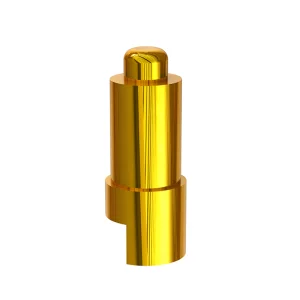
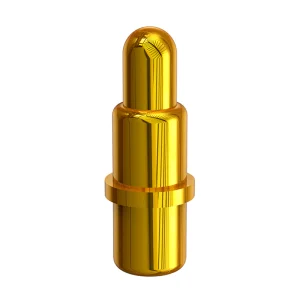
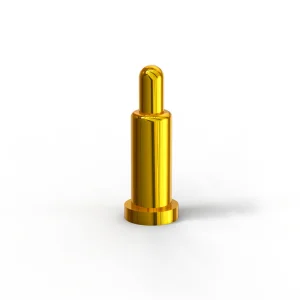
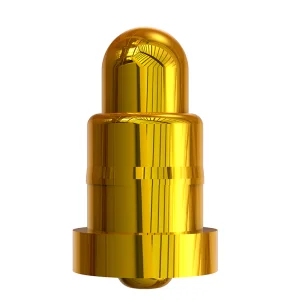
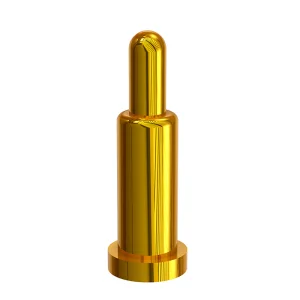
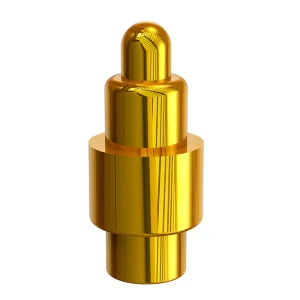
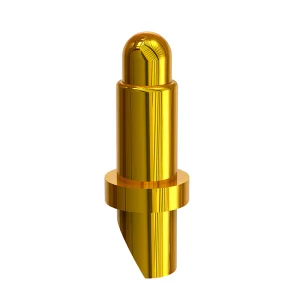
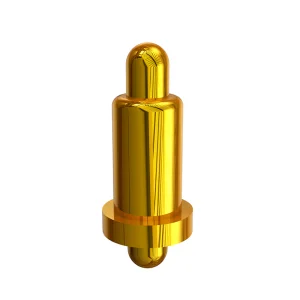
Conductive pins must combat electrolysis and galvanic corrosion caused by sweat, humidity, and salt spray. Typical configurations feature a base layer of Brass or Beryllium Copper, coated with a Nickel barrier, topped with Gold (Au) plating ranging from 3u" to 50u" based on duty cycle requirements.
The interior spring mechanics dictate the electrical contact resistance. High-precision manufacturing ensures that at the specified working height, each pin exercises a stable force (typically 30g to 120g). This guarantees stable conductivity under structural vibrations.
Sourcing N52-grade Neodymium magnets ensures compact housing footprints while achieving holding forces upwards of 500g. Waterproofing is maintained via secondary injection molding (overmolding) or custom epoxy resin sealing (IPX7 to IPX8).
Manufacturing & Design Innovation Experience
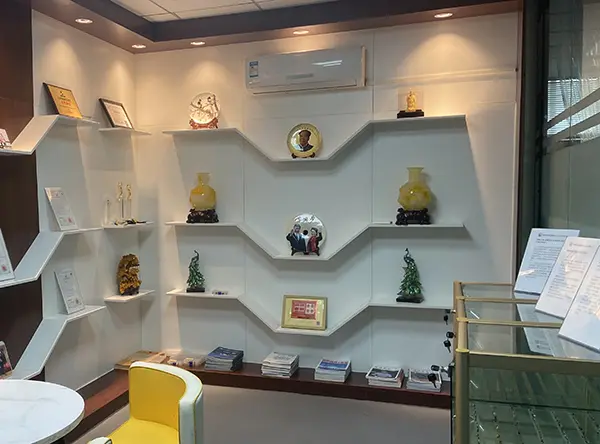
Global Strategic Clients Collaborated
Patents and Propitiatory Connector Designs
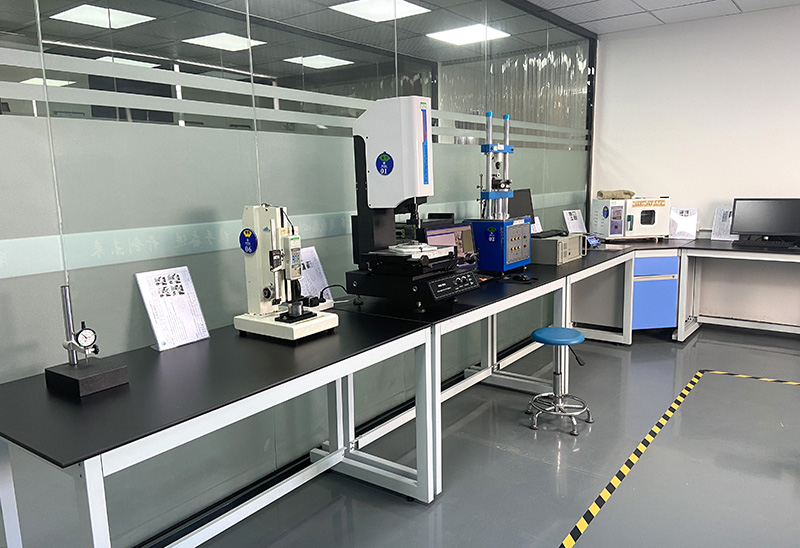
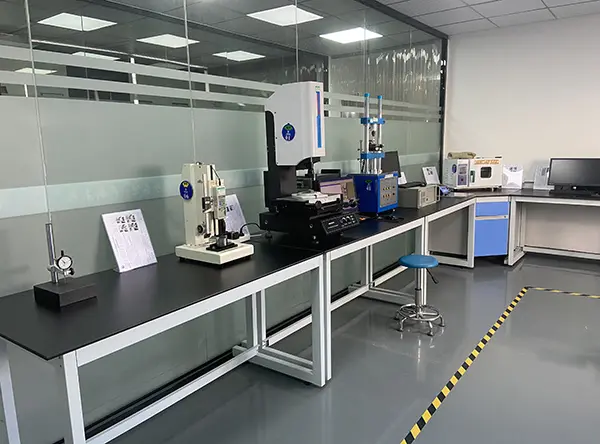
Pre-Shipment Multi-Parameter Testing Protocol
Establishing benchmarks in precision machining, custom spring pins, and high-conductivity magnetic interfaces.
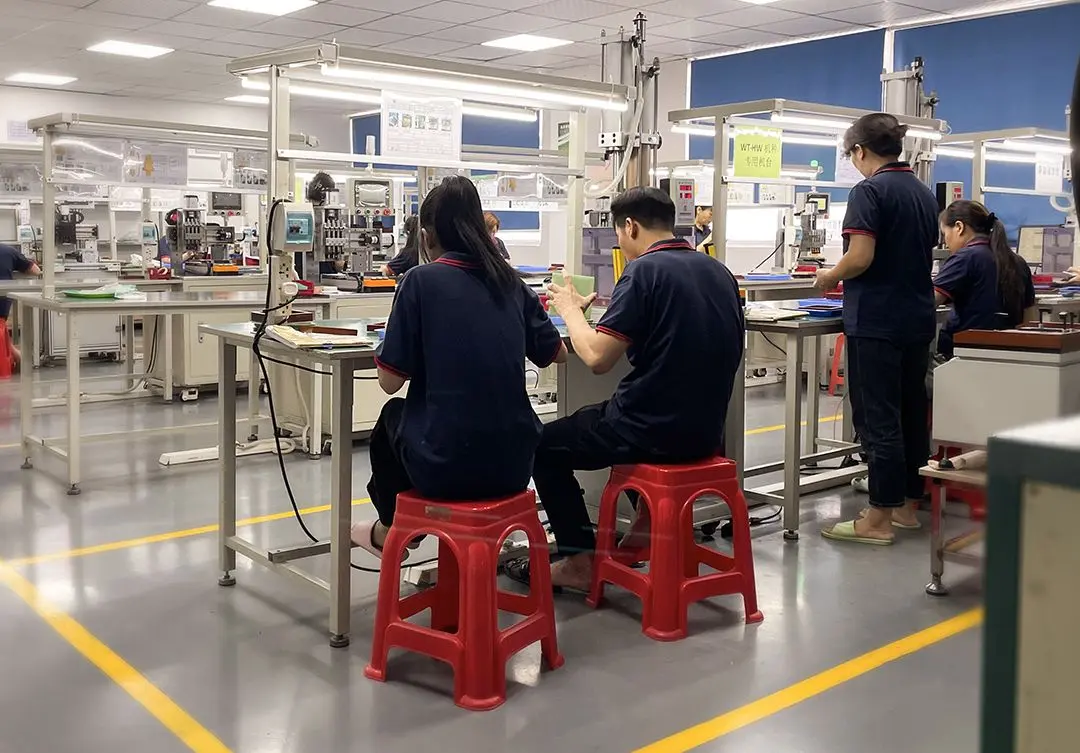
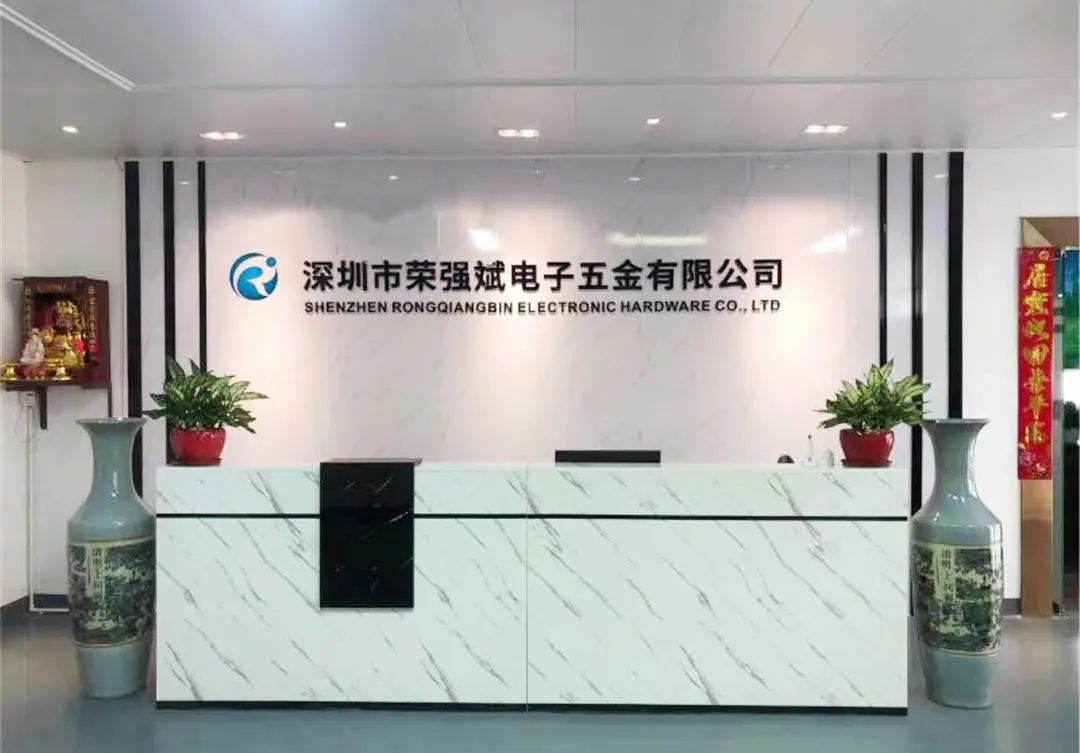
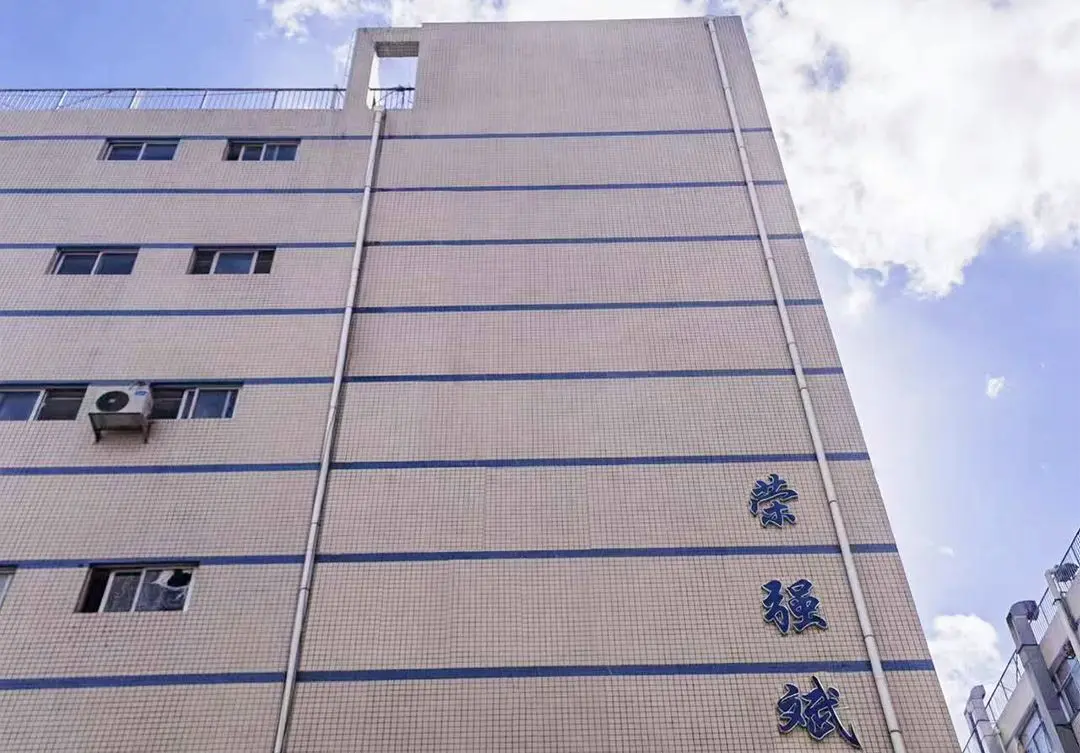
Established in February 2011, located in Songgang Street, Shenzhen (the epicenter of the Guangdong-Hong Kong-Macao Greater Bay Area), Rongqiangbin (RQB) has grown from a specialized workshop into a dominant industrial supplier of Pogo Pin and magnetic connectors. We handle the entire engineering pipeline in-house: tool design, precision turning, surface finishing, housing injection, and automated magnetic assembly.
Our operational philosophy revolves around "customer first, integrity first." We maintain strict adherence to international quality management guidelines under our certified ISO9001:2015 structure. This ensures that every high-conductivity, environmentally stable system we dispatch meets our partners' strict quality constraints.
A trusted manufacturing partner to industry leaders worldwide.

Committed to being an excellent POGO PIN and magnetic connector manufacturer for both quality and cost, home and abroad, leading connector technology development.
Use this reference table to map standard 2 Pin Magnetic Connector limits for your application development.
| Performance Parameters | Standard Specifications | High-Reliability Custom Limits | Testing Methods & Compliance |
|---|---|---|---|
| Pitch Size Options | 2.0mm to 4.0mm | Custom 1.5mm to 10.0mm | Optical Measurement System Verification |
| Rated Current Profile | 1.0A - 2.0A Continuous | Up to 15.0A Peak (Charging Pin) | Temperature Rise Limit testing (ΔT < 30°C) |
| Contact Resistance | ≤ 30 mΩ | ≤ 10 mΩ (Low-resistance models) | 4-wire Milliohm-meter validation |
| Mating Cycles (Durability) | 10,000 Cycles Minimum | Up to 500,000 Cycles | Automated Mechanical Insertion Reciprocators |
| Ingress Protection | IP54 Dust & Splatter Resistant | IP68 / IP69K Hermetic Under-Water Sealing | Helium Leakage & Hydrostatic Pressure Chambers |
| Insulation Resistance | 100MΩ at 100V DC | > 1000MΩ at 500V DC | High-pot insulation testing (ASTM D257) |
Bridging the gap between design engineering and physical component durability across global sectors.
Compact form factor constraints mandate highly integrated charging designs. By combining gold-plated Pogo pin matrices with custom molded housing footprints, we prevent skin oils and acidic sweat from corroding contact interfaces, improving device lifespan.
Sensors deployed in rugged environments require blind mating capabilities and high vibration tolerance. The magnetic pull force guarantees uninterrupted data routing and fast power top-offs, bypassing manual locking complications.
From micro-mobility systems (scooters, electric bicycles) to auxiliary connections in large electric cars, customized 2-pin setups handle vibration dampers and dynamic current needs, minimizing heat buildup under high loads.
Predicting design adjustments to meet modern micro-assembly and high-frequency communication protocols.
The connector field is transitioning toward combined signal and high-power tracks. While traditional 2-pin models focus primarily on DC power charging, next-generation variants integrate high-frequency carrier waves directly over the power rails, enabling simultaneous low-latency data sync and power delivery.
R&D is also focused on advancing material coatings. To minimize sweat corrosion on consumer products (such as TWS headphones and fitness trackers), we are testing alternative plating materials like Platinum, Palladium-Nickel (Pd-Ni), and specialized carbon thin films. These materials provide superior mechanical wear resistance and protection against galvanic degradation.
Aligned with regional directives like REACH and RoHS, Rongqiangbin is actively integrating halogen-free, bio-based liquid crystal polymers (LCP) to decrease environmental footprint while preserving exceptional insulation integrity under high SMT soldering temperatures.
Developing 1.0mm pitch connectors that maintain an IP68 waterproofing standard for medical hearables.
Implementing high-wear resistance Pd-Ni barrier levels to reach over 1,000,000 mechanical wear cycles without loss of conductivity.
Shifting lines to fully automated high-density insert molding systems, reducing structural variation tolerances below ±0.01mm.
Mitigating logistical and quality risks with streamlined cross-border distribution channels.
All custom connectors undergo strict compliance audits. We guarantee complete alignment with European and American directives including RoHS, REACH, CE, and UL-94V-0 flammability ratings, streamlining international customs clearance and system integration processes.
For custom inquiries, our Field Application Engineering team provides comprehensive mechanical consulting. We work closely with client engineering departments to refine CAD drawings, evaluate mechanical clearances, and analyze thermal performance.
To support high-speed pick-and-place machinery, our surface-mount (SMD) pogo pin connectors are supplied in tape-and-reel packaging. This ensures seamless integration into SMT assembly lines, helping clients scale up production efficiently.
Expert engineering answers to common design, durability, and customization questions.
Explore our wider range of spring-loaded contacts and charging connectors for specialized electronics.
 Rongqiangbin Electronic