High-reliability Spring Loaded Pins, Pogo Pin Sockets, and Magnetic Connector interfaces designed to maintain signal integrity in harsh electrical environments.
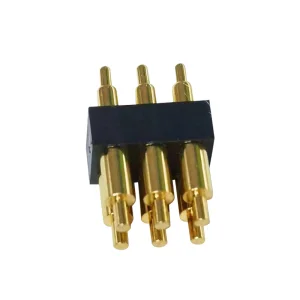
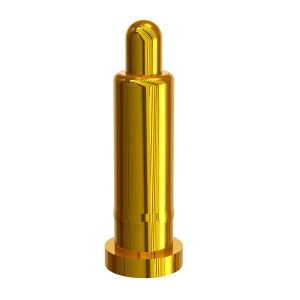
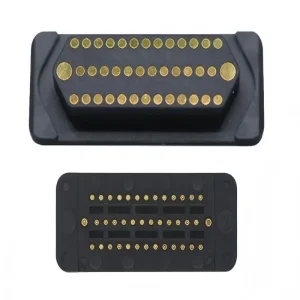
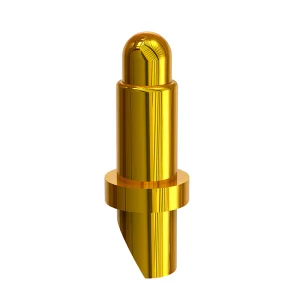
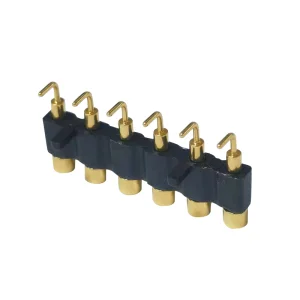
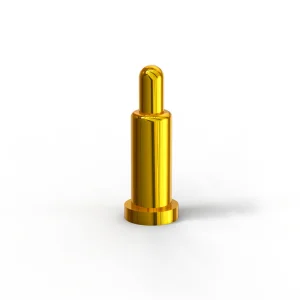
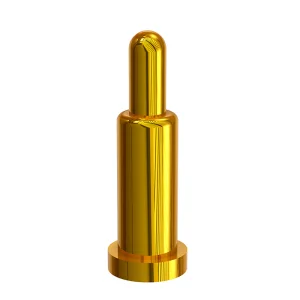
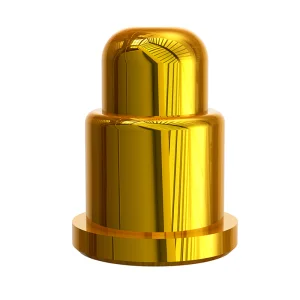
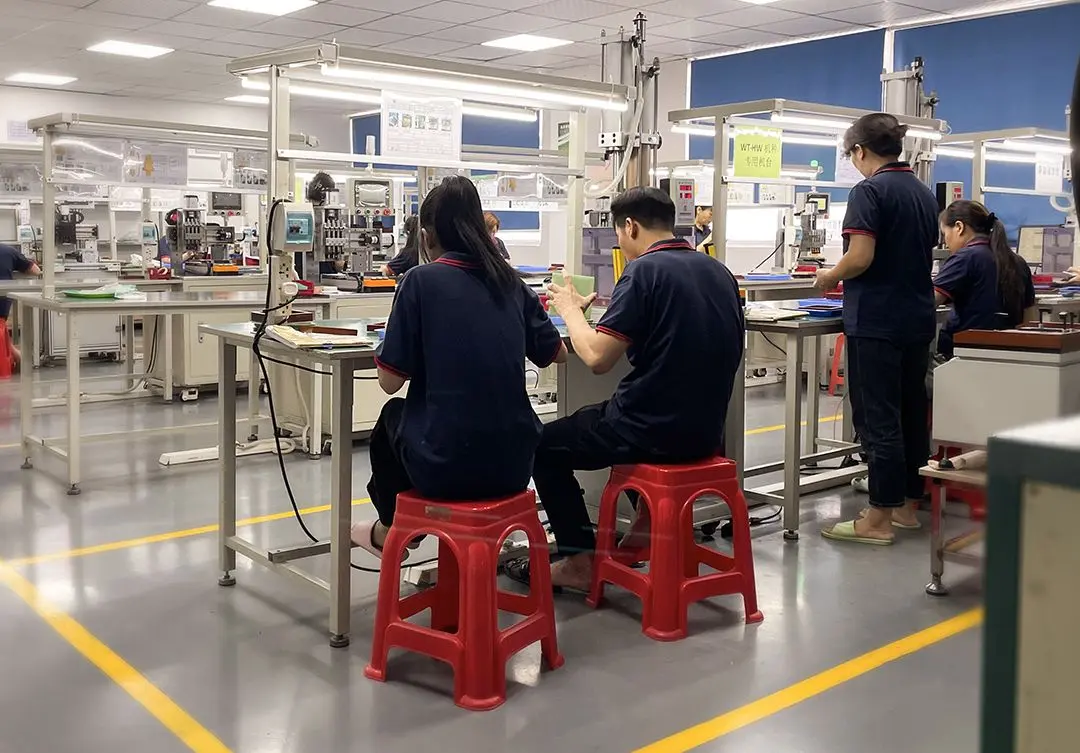
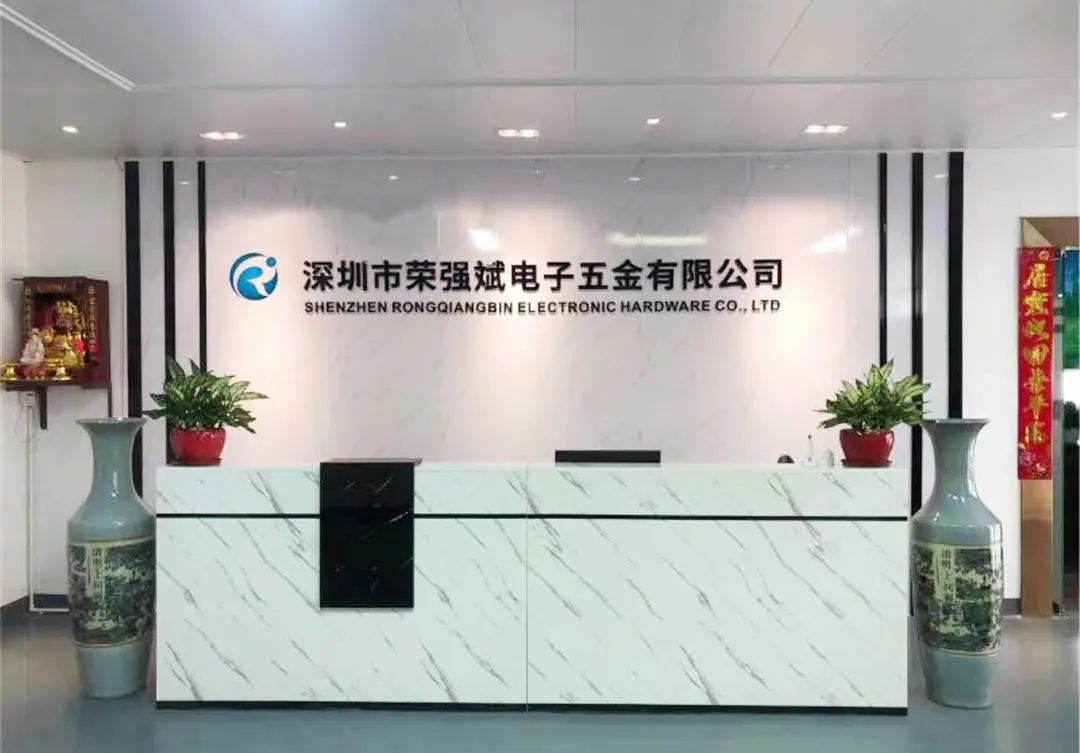
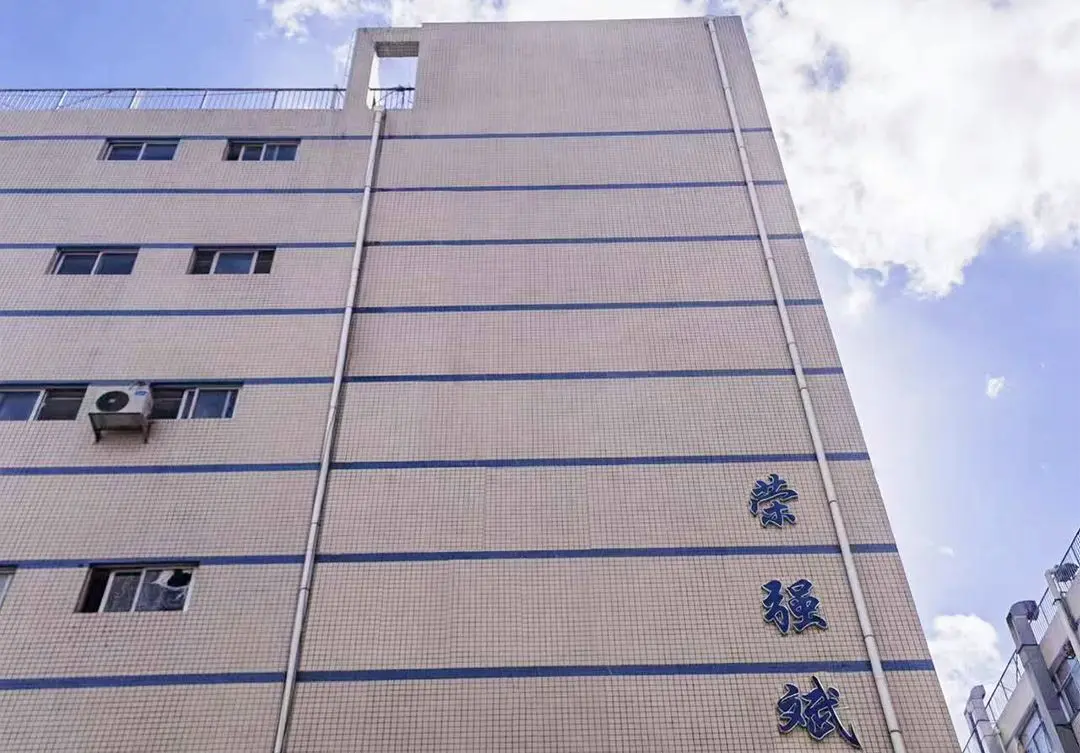
Shenzhen Rongqiangbin Electronic Hardware Co., Ltd. is located in Shenzhen, the leading city of Guangdong-Hong Kong-Macao Greater Bay Area. Our company was founded in February 2011 in Songgang Street, Shenzhen, specializing in the development and manufacturing of Pogopin connectors. After years of dedicated research, manufacturing, and technology optimization, the company has grown to become an authoritative leader in the electronic hardware sector.
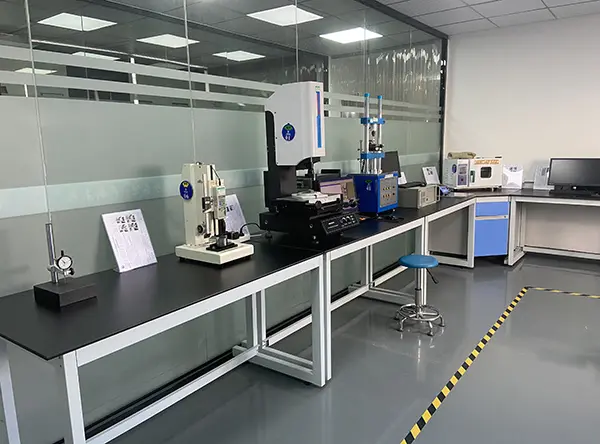
Supported by a comprehensive ISO9001:2015 international quality management certification and state-of-the-art testing systems, we deliver reliable, high-durability contact pins tailored for complex assemblies. Our physical proximity to structural industrial hubs enables us to accelerate turnaround, control quality at source, and significantly lower logistical bottlenecks.
"Our corporate mission is to deliver excellent POGO PIN solutions, achieving a synergy between high-reliability electrical performance and competitive production costs."
Navigating cost, technical capabilities, and supply chain speed in advanced hardware engineering.
From initial design files (STEP/DWG) to fully functional custom contact test pins in as little as 3-5 days.
Over 300 proprietary patents in contact assembly, ensuring low insertion loss, high lifecycle, and low contact resistance.
Direct access to raw brass, beryllium copper, advanced gold plating, and precision injection molding partners in the Shenzhen Area.
Our facility in Songgang, Shenzhen, leverages advanced high-speed Swiss lathe turning, precision stamping, and fully automated robotic assembly lines. The manufacturing of a high-reliability test pin is not merely a machining process; it requires strict control over metallurgic compositions. We employ BeCu (Beryllium Copper) and Phosphor Bronze as base materials for the plungers and barrels to ensure high resilience and low fatigue rates. In addition, our standard gold-plating thicknesses ranging from 3u" to 50u" protect the contacts against mechanical wear, corrosion, and continuous oxidation over up to 1,000,000 compression cycles.
For custom pin testing setups—such as semiconductor wafer testing, burn-in sockets, and board-to-board high-speed diagnostics—we custom-engineer the internal biasing mechanisms. Options include flat-end, pointed-end, and crown-end plungers to match specific contact pads on target PCBs. By controlling both mechanical spring force (ranging from 20g to 150g per pin) and dimensional tolerances within ±0.01mm, we guarantee continuous signal integrity even under extreme thermal cycles (-40°C to +125°C).
Ensuring micro-level precision across global technology ecosystems.
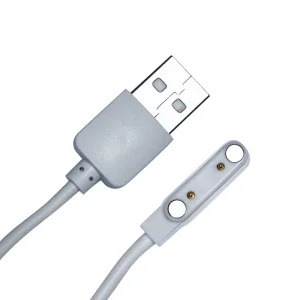
From smart wearable devices like Bluetooth headphones and smartwatches (such as QCY and HAYLOU) to complex multi-pin laptop keyboards, space is always at a premium. SMT/SMD pogo pins enable space-saving designs, while magnetic mating connectors offer smooth, wear-free charging profiles. Custom charging pogo pins utilize specialized coatings to resist sweat corrosion and physical debris build-up.
In modern NEVs, battery pack monitoring, BMS board testing, and cabin entertainment modules demand connectors that can withstand high vibrations. Custom pin test fixtures and robust vehicle pin connectors maintain low resistance (<20 mΩ) under continuous shock loading. Specialized high-current pogo pins support up to 30A of continuous power delivery for quick-charge dock setups.
For semiconductor manufacturers and electronics assembly plants, high throughput testing is critical. Probe pins used in ICT (In-Circuit Test) and FCT (Functional Test) systems require precise spring force and high-integrity signal transmission to detect micro-soldering faults on multi-layer PCBs. We engineer custom test socket interfaces with precise pitches down to 0.4mm.
| Parameter | Standard Specification | High-Reliability Testing Limit | Testing Methodology |
|---|---|---|---|
| Rated Current | 1A - 5A per pin | Up to 30A (Custom biased structures) | Temperature Rise Test (< 30°C rise) |
| Contact Resistance | < 30 mΩ | < 10 mΩ | 4-Wire Kelvin Micro-Ohm Meter |
| Spring Force Tolerance | ± 20% | ± 10% (Precision micro-springs) | Load-Displacement Profile Tester |
| Operational Durability | 50,000 cycles | 1,000,000 cycles | Pneumatic High-Speed Cycle Test |
In collaboration with automation leaders such as SIEMENS AG and Honeywell, we develop connection pins for sensor interfaces and field automation modules. Our solutions offer low insertion force and high galvanic resistance, ensuring that industrial control nodes remain continuously operational, even under high-humidity and chemical-exposure environments.
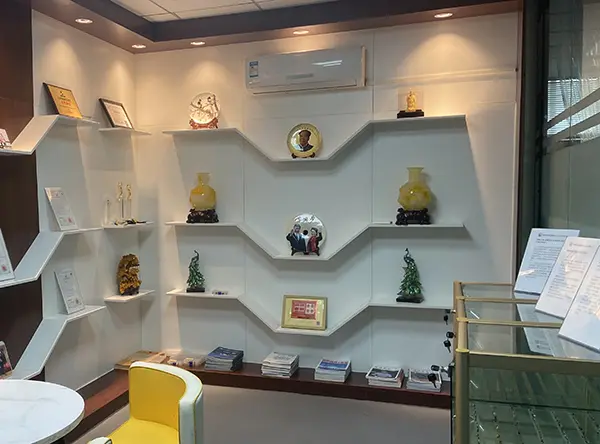
At Shenzhen Rongqiangbin, quality control is not a post-production check; it is a systematic, structured process starting from raw material input. Every batch of copper alloy and stainless steel wire is tested using optical emission spectrometers. We implement 100% optical sensor screening on automated packaging lines, ensuring zero dimensional defects in large-scale shipments.
Our adherence to the ISO9001:2015 international quality standards underpins every stage of the lifecycle. This rigorous approach allows us to collaborate with tier-1 global hardware developers, integrating custom test pin configurations directly into mass production systems.
Key technical shifts shaping the global spring-loaded connector marketplace.
As microchip architectures transition to higher frequencies, traditional pogo pins can introduce electrical parasitics and inductive noise. The industry is moving towards coaxial pogo pins, where a central signal pin is shielded by a grounded outer conductor. Procurement teams must look for manufacturers who can maintain characteristic impedance (typically 50Ω or 75Ω) within high-speed test assemblies.
Environmental standards such as RoHS and REACH restrict the use of certain chemicals in electroplating processes. As a result, factories must modernize their plating lines to offer lead-free, cadmium-free, and nickel-barrier finishes. Rongqiangbin's surface treatments utilize high-density electrolytic gold plating, which provides low contact resistance while complying with global environmental laws.
Manual assembly of micro-sized pins introduces potential errors in spring alignment. Top-tier manufacturers utilize custom CCD vision systems, automatic winding machines, and multi-axis assembly robots. This level of automation reduces failure rates to fewer than 5 parts per million (PPM), giving procurement teams the confidence needed for large-scale production runs.
Answers to common design and sourcing questions from engineering teams.
Test probe pins are engineered for high-frequency connection cycle testing, focusing on precise mechanical tolerances, high stroke count (up to 1,000,000 cycles), and low signal interference. Standard charging pins focus more on high current capabilities, temperature rise limitation, sweat/corrosion resistance, and lower overall cost over a shorter lifecycle (10,000 to 50,000 cycles).
We employ a multi-layered quality assurance process. This includes incoming raw material chemical composition verification, Swiss lathe optical inspection, dynamic resistance testing, force-stroke mapping, and 100% automated optical vision measurements to verify critical dimensions before shipping.
Gold has excellent electrical conductivity and is highly resistant to oxidation and corrosion. Plating the plunger and barrel with gold ensures a clean, low-resistance electrical contact, which remains stable over thousands of compressions under varying environmental conditions.
We offer a wide range of tip geometries including pointed (for penetrating oxides), flat (for delicate contact pads), crown/multi-point (for uneven surfaces), cup (for capturing leaded components), and round/spherical (for standard sliding contacts).
Reliable components designed for high-performance consumer, medical, and industrial electronics.
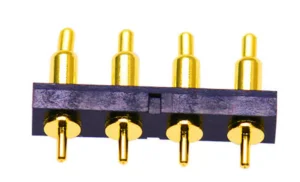
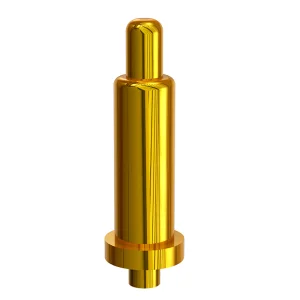
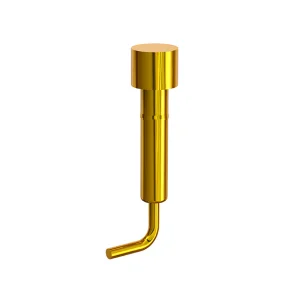
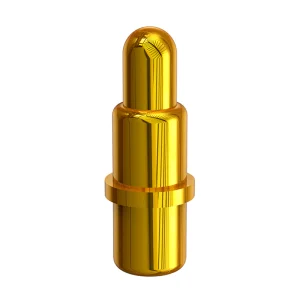
 Rongqiangbin Electronic