Explore our premium custom probe configurations, spring contact pins, and advanced high-density connectors engineered to meet rigorous specifications.
An in-depth analysis of spring-loaded contact mechanics, material sciences, and specialized interface architectures in industrial electronics.
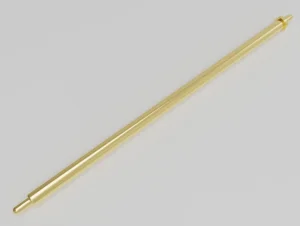
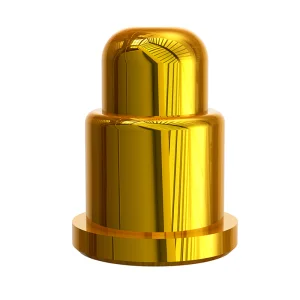
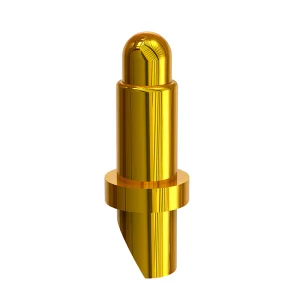
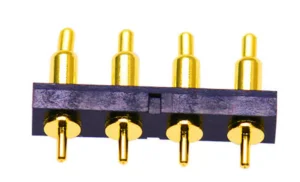
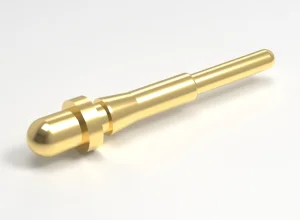
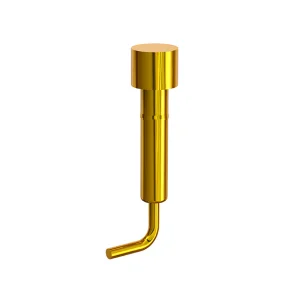
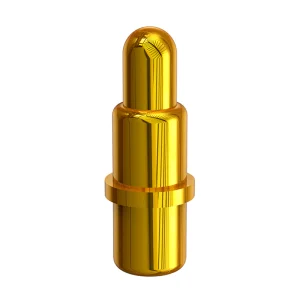
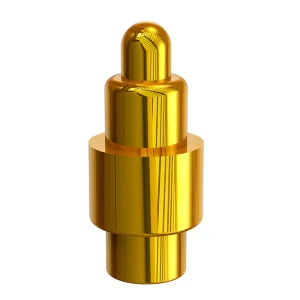
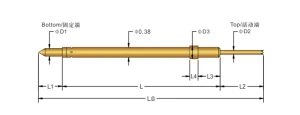
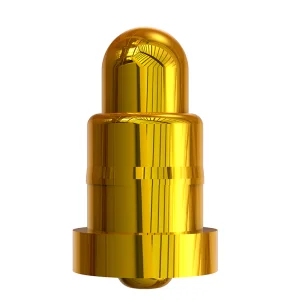
In the modern electronics landscape, standard interconnect components often fail to meet the performance thresholds required by advanced applications. A custom probe solution functions as a precision-engineered dynamic contact system that ensures electrical continuity under mechanical load. These devices, commonly referred to as pogo pins, spring probes, or contact pins, are defined by their internal construction: a plunger, a barrel, and a micro-compression spring. Selecting the ideal custom probe solutions supplier requires looking beyond superficial catalog details to evaluate core competence in structural configuration, mechanical fatigue limits, and high-frequency signal retention.
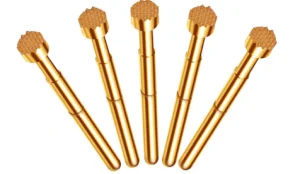
The performance of a custom probe relies on its contact mechanics. Unlike standard board-to-board connectors, pogo pins allow for non-destructive, high-cycle testing and plug-and-play interfaces. Under mechanical deflection, the internal spring stores energy to provide constant contact force. This maintains a low contact resistance ($R_{contact}$ typically under $30\text{ m}\Omega$), even during vibrations or thermal changes. The design of the plunger tip—whether it is a pointed, four-point crown, flat, or spherical radius tip—must match the target contact surface (e.g., gold pad, solder ball, or leaded terminal) to optimize contact pressure and reduce wear.
Custom probe solutions are critical across several global industrial sectors:
During wafer-level (WLCSP) and packaged IC testing, custom probe pins are organized into dense test sockets or probe cards. These pins must operate at tight pitches (down to 0.2mm) and support high bandwidths (exceeding 40 GHz) with minimal signal distortion.
Modern electric vehicles rely on high-current battery connections and charging modules. Custom high-current pins and connectors handle constant loads of up to 40A, ensuring safe electrical performance across wide temperature ranges.
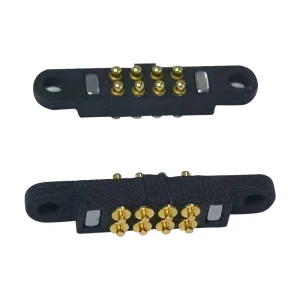
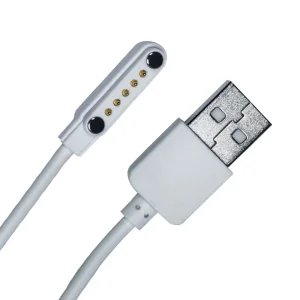
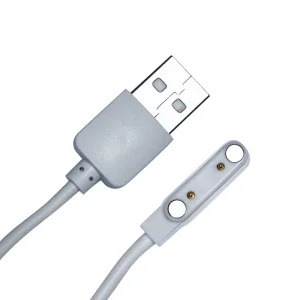
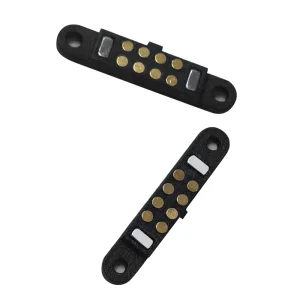
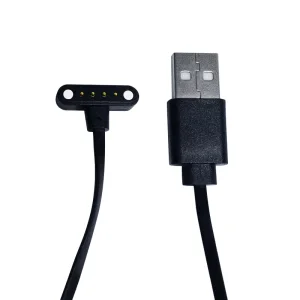
Smartphones, smartwatches, and wireless audio equipment require small, reliable connectors. IP68 waterproof ratings and custom magnetic charging interfaces protect hardware from environmental entry while ensuring stable charging cycles.
In medical diagnostics, custom pogo pin arrays facilitate the quick connection of single-use sensors to reusable monitoring units. These contacts must resist sterilization processes, sweat exposure, and body fluids without material breakdown. In aerospace and defense applications, connectors face intense vibration and extreme temperatures. These situations demand spring probes made from robust base alloys with thick noble metal platings to prevent cold-welding and oxidation.
The electronic hardware market depends heavily on reliable, localized supply chains. Global supply lines often introduce delivery delays, communication gaps, and regulatory challenges. A specialized custom probe solutions supplier with production facilities in major industrial zones—like Shenzhen in the Guangdong-Hong Kong-Macao Greater Bay Area—can quickly transition designs from prototype to high-volume production.
This speed is supported by localized engineering teams who can refine mechanical tolerances directly with the client. It also simplifies compliance. Custom hardware must meet environmental directives like RoHS (Restriction of Hazardous Substances) and REACH (Registration, Evaluation, Authorisation and Restriction of Chemicals), and avoid conflict minerals. Direct collaboration with certified factories like Shenzhen Rongqiangbin Electronic Hardware Co., Ltd. ensures that these compliance processes are fully documented, from raw material sourcing to final testing.
The quality of a probe relies on its materials. High-speed CNC lathes machine the external components to micron-level tolerances, while the internal springs are coiled to strict spring rate standards. The table below outlines typical high-performance material selections:
| Component | Standard Material Choice | Surface Plating Options | Primary Engineering Advantage |
|---|---|---|---|
| Plunger (Contact End) | Beryllium Copper (BeCu) / Brass / SK4 | 0.1μm to 1.5μm Gold (Au) over Nickel (Ni) | High electrical conductivity and excellent wear resistance. |
| Barrel (Outer Sleeve) | Brass (C3604) / Bronze | Min 0.25μm Gold (Au) over Nickel (Ni) barrier | Ensures smooth internal walls and consistent current flow. |
| Spring (Internal Element) | Stainless Steel (SUS304) / Music Wire | Gold-flashed / Passivated | Maintains reliable spring force over 100,000+ deflection cycles. |
Selecting the proper gold plating thickness is essential to prevent wear on the contact surfaces. For high-cycle applications (over 100,000 runs), thick gold or palladium-nickel alloys help prevent oxidation and corrosion. This thickness also reduces base metal diffusion under thermal stress, maintaining stable contact resistance over time.
A trusted global supplier of custom pogo pin solutions and precision electronic components.
Established in February 2011 in Songgang Street, Shenzhen—a manufacturing hub within the Guangdong-Hong Kong-Macao Greater Bay Area—Shenzhen Rongqiangbin Electronic Hardware Co., Ltd. specializes in the research, design, and manufacture of high-performance Pogopin connectors. Through years of technical growth and process refinement, the company has developed from a local supplier into a leading manufacturer serving clients worldwide.
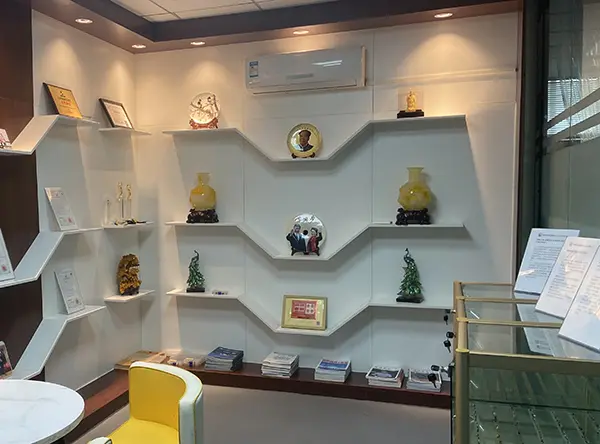
Rongqiangbin follows a "customer first, integrity first" operating principle. The company is supported by a dedicated design team and is certified to the ISO9001:2015 international quality standard. With robust quality controls and environmental systems, we deliver reliable, high-performing components that comply with strict green initiatives.
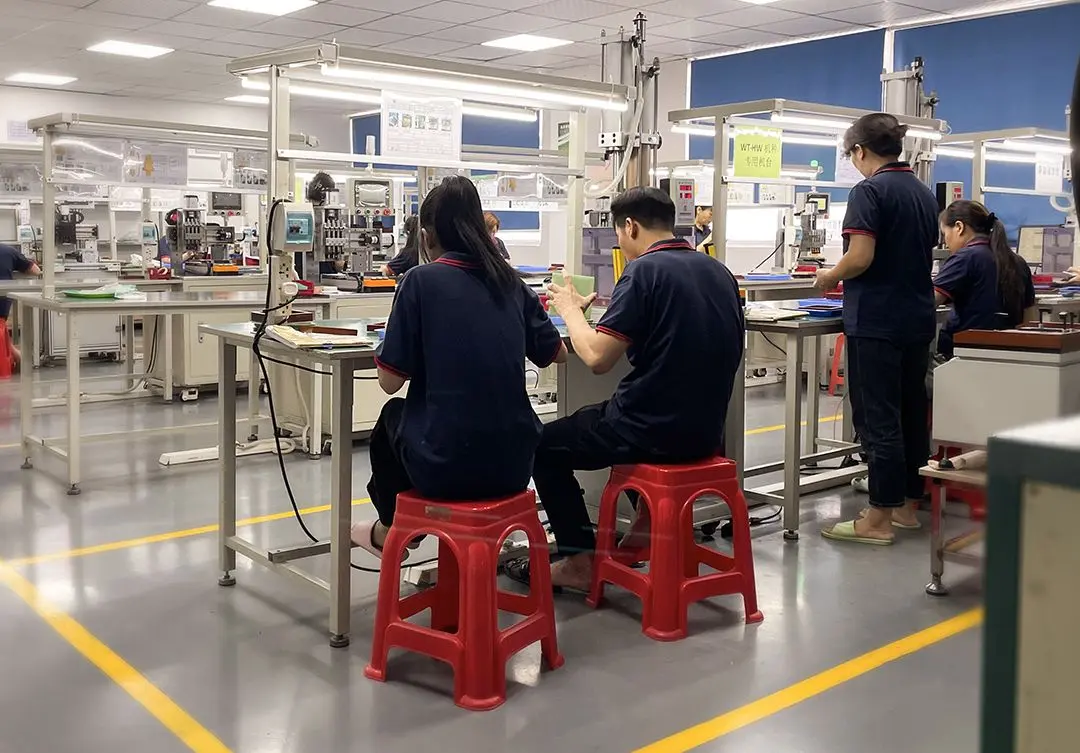
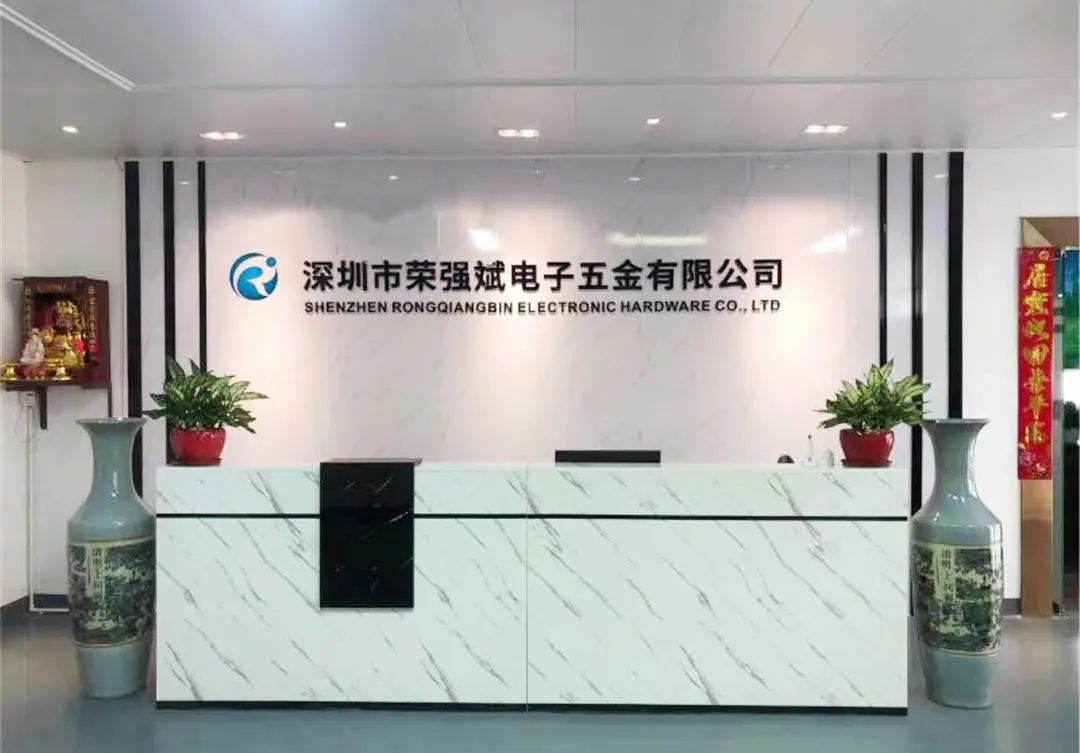


Serving over 4,000 clients globally and holding more than 300 patents in connector technologies.
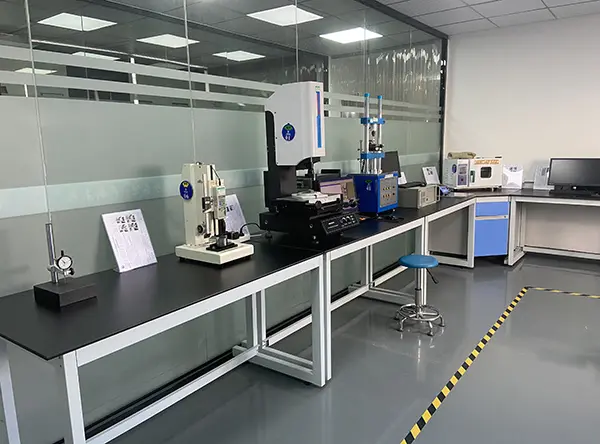
All production lots undergo 100% inspection before shipping using advanced optical and mechanical testers.
Developing next-generation connectors to address emerging technologies, higher frequencies, and miniaturization.
As consumer devices become more compact and high-performance networks require higher bandwidths, interconnect standards must keep pace. The technical roadmap for custom probe systems focuses on three key areas:
Sub-0.2mm Pitch Miniaturization: Next-generation silicon test setups require smaller contact pin footprints. Our engineering department is refining micro-machining and spring coiling techniques to manufacture reliable pogo pins with overall diameters under 0.15mm, supporting ultra-dense pin layout arrays.
High-Frequency & RF Signal Integrity: As 5G, 6G, and high-frequency radar modules expand, connectors must support signals above 50 GHz without degradation. Custom coaxial probes with matched impedance and protective shielding are developed to minimize insertion loss and keep return loss extremely low.
Automated High-Current Dissipation: Smart grid charging and high-output EV batteries generate significant thermal loads. We design custom composite plungers with high-conductivity cores to reduce thermal resistance, allowing pins to support currents up to 50A without thermal degradation.
Expert answers to common questions about design considerations, materials, and manufacturing capabilities.
Review our broader range of pogo pin sockets, magnetic cables, and specialized connector assemblies.
 Rongqiangbin Electronic