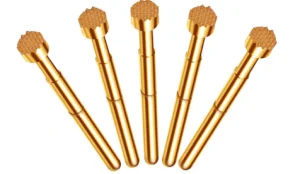
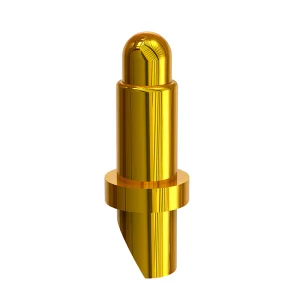
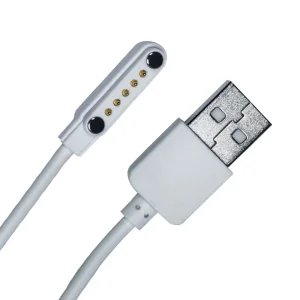
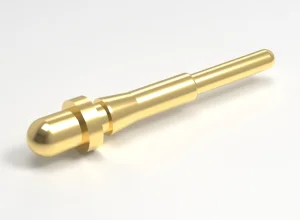
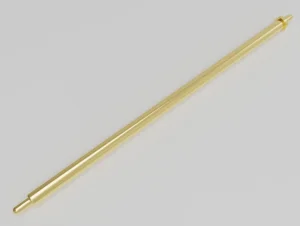
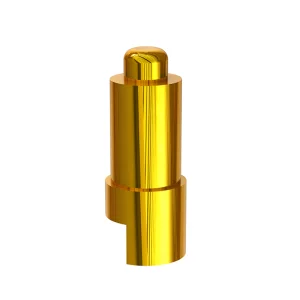
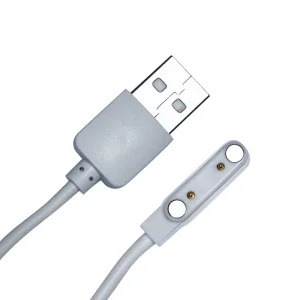
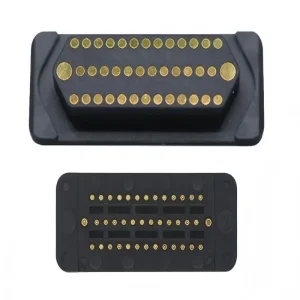
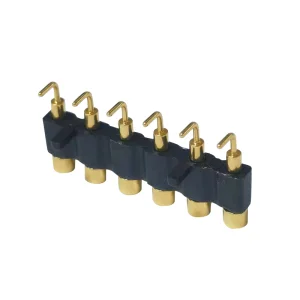
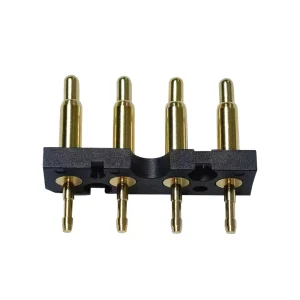
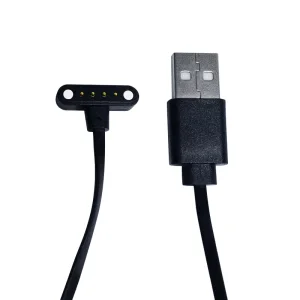
Explore our core engineering catalog featuring industry-standard SMT/SMD, magnetic connectors, and bending type PCB sockets.
Founded in February 2011 in Songgang Street, Shenzhen—the core engineering node of the Guangdong-Hong Kong-Macao Greater Bay Area—Shenzhen Rongqiangbin Electronic Hardware Co., Ltd. has spent over a decade perfecting the architecture and production of spring-loaded contacts. As a dedicated manufacturer and factory, we specialize in high-durability, custom Tastatur (keyboard) pogo pins that serve as the core contact systems for major consumer electronics, industrial interfaces, and magnetic charging platforms globally.
Through relentless innovation and persistent investment in micro-machining capabilities, our operations have scaled from a high-precision hardware workshop to a global leader in high-performance connector technology.
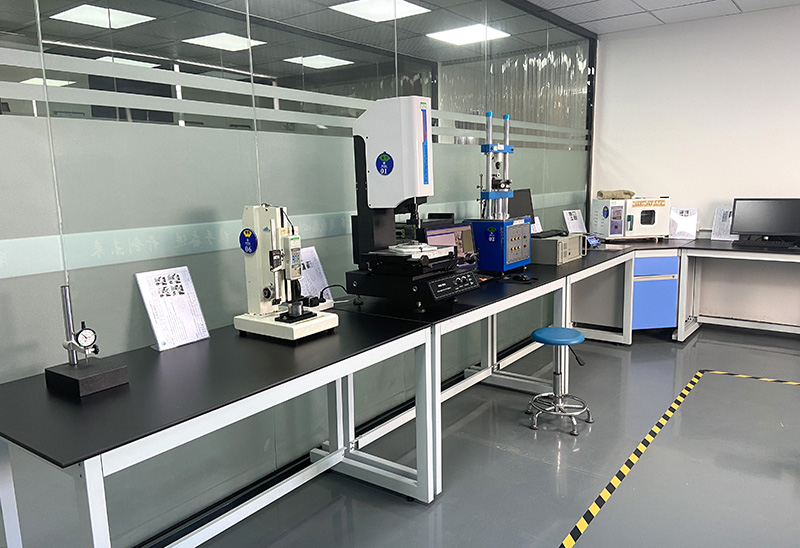
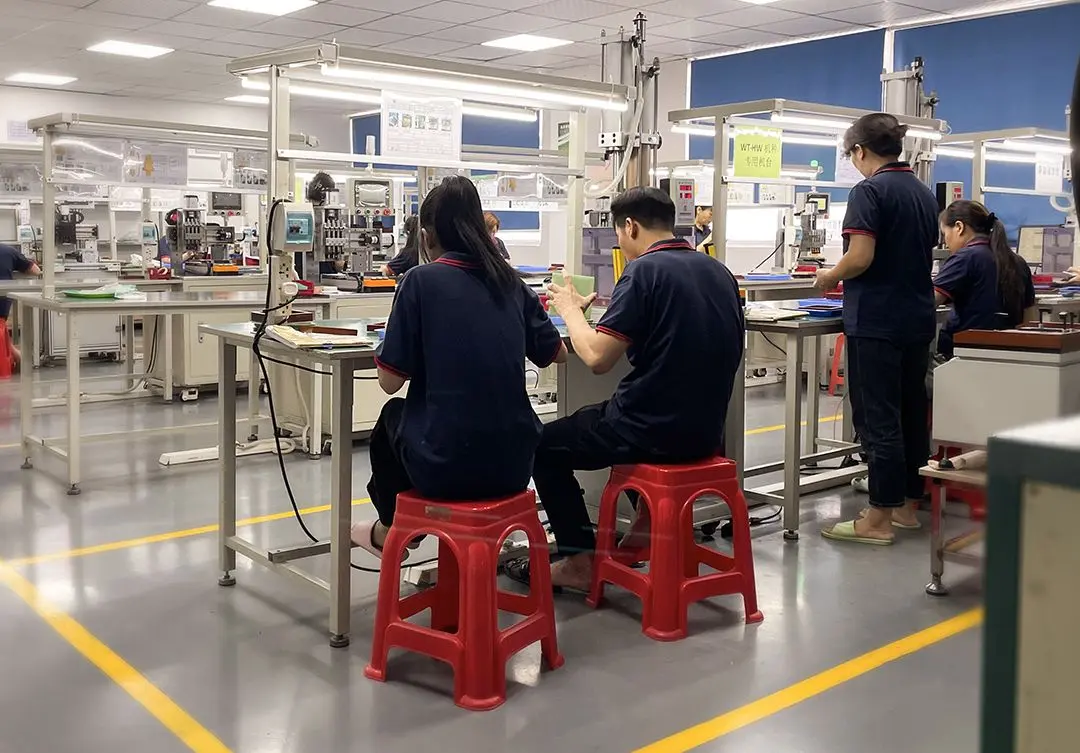
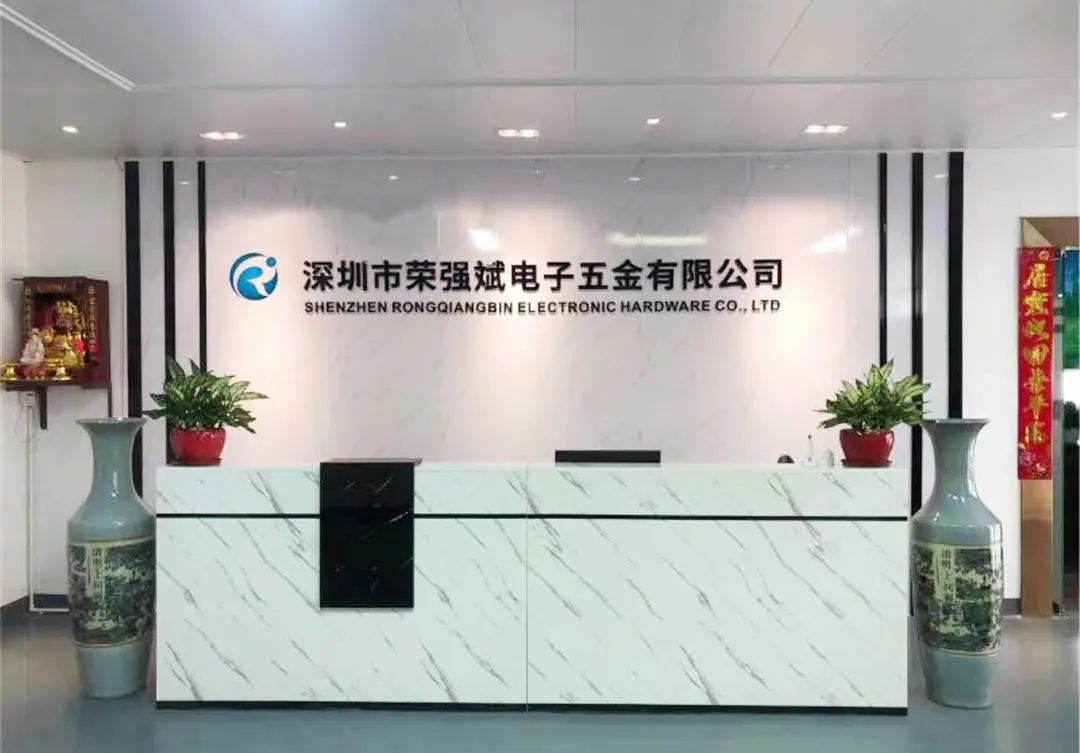

Proven reliability, engineering depth, and global scale certified to international standards.
Our facility strictly adheres to the ISO9001:2015 international quality management system, housing advanced testing setups that verify vertical compliance force, contact resistance stability under dynamic loads, plating thickness mapping via X-ray fluorescence (XRF), and salt-spray corrosion resistance.
We operate under a customer-centric and integrity-first philosophy. This commitment enables us to forge strong, long-term, direct-factory partnerships with world-renowned technical leaders, including Honeywell, Samsung, Siemens AG, ZTE, 360, QCY, Haylou, Shanghai Laimu, Luxshare Group, Aoni Electronics, and Amphenol Group.
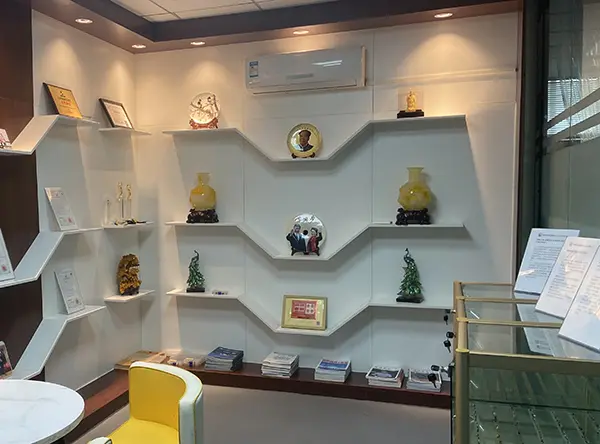
"Committed to being an excellent POGO PIN manufacturer for both quality and cost, at home and abroad, and leading connector technology development."

Precision Hardware Engineering Co., Ltd.
Balancing plunger resistance with travel depth ensures continuous electrical connection despite external keyboard vibrations or movement.
Applying thick noble metal plating prevents signal dropout and limits insertion losses, maintaining high integrity for data transfer.
Advanced spring metallurgy using piano wire and beryllium copper supports over 100,000 mating cycles without mechanical decay.
In modern peripheral design, the mechanical keyboard ("Tastatur") has evolved from a simple desktop accessory into a highly specialized, modular input device. The adoption of magnetic detaching mechanisms in 2-in-1 tablet keyboards, split mechanical layouts, and hot-swappable custom macro-pads has made stable, low-profile electrical interfaces crucial. Standard USB connectors or flexible flat cables (FFC) are ill-suited for these applications due to wear, lack of self-alignment, and physical size.
This is where custom spring-loaded pogo pins excel. Placed inside multi-pin arrays, pogo pins ensure quick connection, self-alignment via integrated magnetic fields, and a low profile. Achieving clean signal paths and reliable power delivery in compact spaces requires strict control of internal pin geometry, contact force profiles, and plating metallurgy.
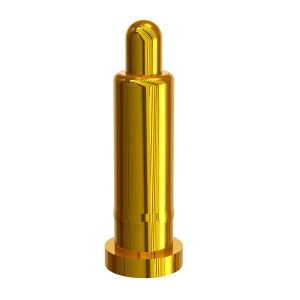
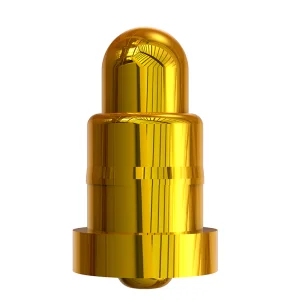
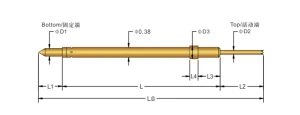
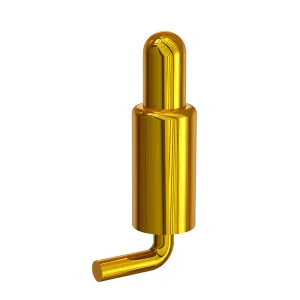
A premium keyboard pogo pin consists of three core components: the plunger, the spring, and the barrel. Each must be optimized for its specific mechanical and electrical function:
The portable electronics and input peripheral markets continue to evolve. System designers face new electrical and mechanical challenges, driving key innovations in keyboard pogo pin designs:
Modern keyboards are no longer limited to low-speed USB 1.1 or 2.0 communication. High-performance mechanical keypads now feature integrated USB-C hubs, high-resolution displays, RGB arrays, and built-in audio DACs. This demands high bandwidth through the pogo pin array.
To support USB 3.2 Gen 2 (10 Gbps) and even Thunderbolt signals, custom pogo pin arrays must maintain controlled impedance (typically 90Ω differential). Our engineers design targeted pin pitches (1.27mm to 2.54mm), optimize internal pin-to-pin capacitance, and configure ground shielding pins to reduce crosstalk and signal distortion.
With USB Power Delivery (PD) standards delivering up to 100W or 240W, computing docks and active keyboard bases often draw significant power. Standard pogo pins (rated at 1A to 2A) run hot under high current loads, degrading the spring and housing.
Our customized high-current pins support steady-state current capacities from 3A up to 15A. We achieve this by optimizing contact geometry, increasing cross-sectional contact areas, and utilizing thermal-resistant alloys, keeping temperature rise below 30°C.
Portable keyboards, industrial terminals, and medical control boards are frequently exposed to liquid spills, dust, and sanitizing sprays. Custom keyboard pogo pin blocks must seal the internal device from moisture ingress.
We manufacture waterproof pogo pin assemblies using advanced over-molding, epoxy sealing, and specialized elastomer gaskets. These designs keep the PCB sealed even when the external keyboard interface is exposed to liquids or submerged.
Procuring custom pogo pins for large-scale device manufacturing requires balancing unit cost, tool life, lead times, and assembly yields. When specifying pogo pins for keyboards and charging docks, procurement engineers should focus on these critical parameters:
During surface mount technology (SMT) reflow, any coplanarity deviation across a multi-pin connector can lead to open solder joints or weak mechanical bonds. We maintain SMT coplanarity tolerances under 0.1mm. We package parts in carrier tape-and-reel formats with heat-resistant plastic caps to facilitate automated pick-and-place processes.
Human sweat contains salts and acids that accelerate chemical corrosion on exposed metal contact points. For consumer keyboards, we offer thick electrolytic gold plating (3u" to 30u") over high-density nickel underplates. This helps prevent plating wear and chemical pitting throughout the device's service life.
Shenzhen Rongqiangbin utilizes a mature supply chain that keeps all critical processes—from CNC precision turning to electroplating and automatic optical inspection (AOI)—under direct control. This vertical integration allows us to keep tooling costs low and deliver consistent quality, helping prevent unexpected assembly-line downtime.
Custom spring-loaded contacts are vital across a wide range of industrial, automotive, and commercial applications:
We supply high-current charging pins and signal transmission interfaces designed to withstand the high vibration and temperature swings found in automotive cockpits and power modules.
Easy-to-clean interfaces are essential in medical environments. Magnetic flat contact plates with pogo pins eliminate open cavities, preventing bacteria buildup and allowing thorough surface sanitization.
Our heavy-duty pogo pin blocks provide stable power and data connectivity for tablet mounts in logistics, warehouse tracking, and field engineering equipment.
To support global product launches, we ensure our manufacturing processes and materials meet international environmental and safety standards:
Our engineering support team coordinates closely with global hardware teams to streamline design cycles, provide fast 3D CAD modeling, and optimize PCB footprints prior to tooling release.
Direct-factory sourcing for high-current applications, automotive connectors, and custom multi-pin cables.
Get answers to common mechanical and electrical questions regarding custom keyboard pogo pins.
 Rongqiangbin Electronic