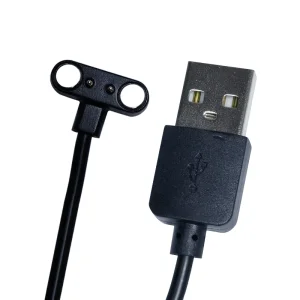
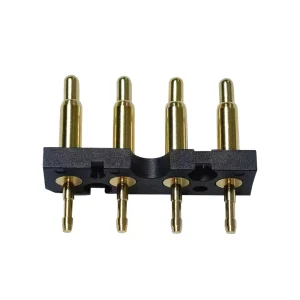
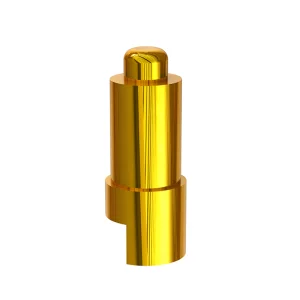
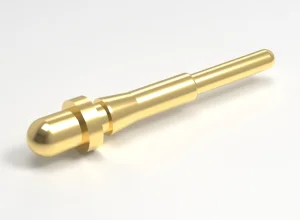
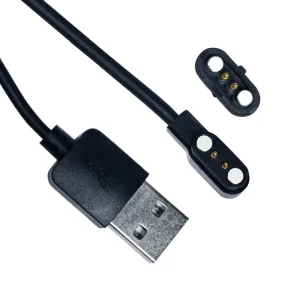
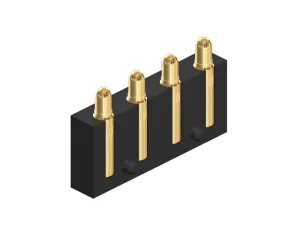
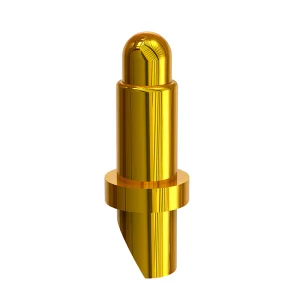
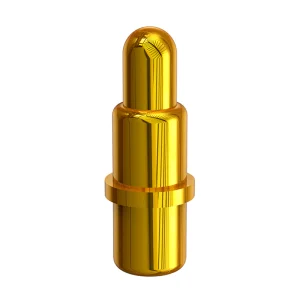
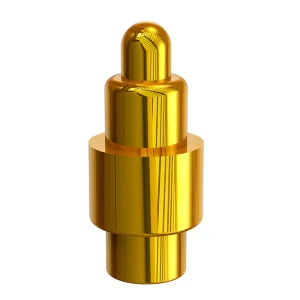
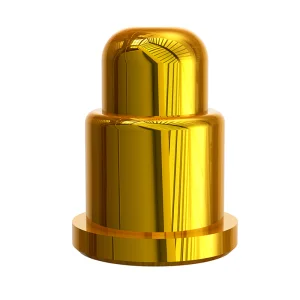
Explore our core engineering catalog featuring precision-machined probe pins, high-frequency test sockets, and specialized magnetic interface mechanisms.
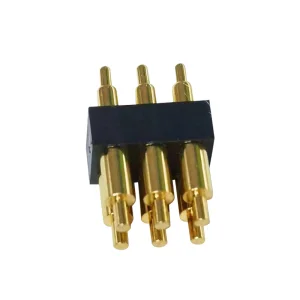
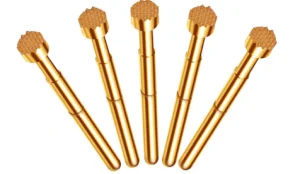
Founded in February 2011, in the bustling industrial ecosystem of Songgang Street, Shenzhen (the core of the Guangdong-Hong Kong-Macao Greater Bay Area), Shenzhen Rongqiangbin Electronic Hardware Co., Ltd. has established itself as an innovative force in the development, testing, and manufacturing of premium pogo pin connectors, custom test sockets, and high-frequency spring-loaded probe interfaces.
By adhering to a structural philosophy of "customer first, integrity first", we have built a highly technical R&D team dedicated to overcoming contact-integrity barriers across various high-reliability application scenarios. Our advanced factory holds the prestigious ISO9001:2015 international quality management system certification, reinforcing our commitment to delivering zero-defect, environmentally compliant interconnect components that meet rigid international standards.
Manufacturing Experience
Global Clients
Utility Patents
Inline Optical Inspection
An in-depth analysis of structural integrity, semiconductor verification requirements, and how precision manufacturing addresses localized micro-pitch demands.
In the highly competitive landscape of semiconductor packaging and device verification, custom testing sockets serve as the mission-critical link between the device under test (DUT) and the Automated Test Equipment (ATE) system. As chip architectures advance toward sub-2nm nodes, wafer-level chip scale packaging (WLCSP), system-on-chip (SoC) architectures, and ultra-high-frequency RF configurations, the mechanical and electrical expectations on contact probes have reached unprecedented heights.
Modern testing socket demand is driven by the rapid expansion of 5G infrastructure, artificial intelligence (AI) compute accelerators, autonomous vehicles (ADAS), and Internet of Things (IoT) edge processors. Test engineers globally face the challenge of minimizing the Cost of Test (CoT) while maximizing yields. Sockets must endure hundreds of thousands of cycles under intense thermal variations (-55°C to +175°C) without compromising contact resistance (Rc) or causing physical damage to the packaging contacts (LGA, BGA, QFN, or SOP).
To achieve this, Tier-1 semiconductor developers demand custom-designed elastomeric or pogo-pin test sockets that guarantee minimal signal loss, optimized return paths, and low parasitic inductance. Standard configurations are rarely sufficient. High-frequency RF testing, for instance, requires specialized socket housings milled from high-performance engineering plastics like PEEK, Torlon, or Vespel, featuring coaxially shielded probe layouts that support speeds exceeding 40 GHz.
Why do leading electronics and automotive firms turn to Shenzhen factories like Rongqiangbin for custom socket integration? The answer lies in the synergistic optimization of micromachining precision, material supply integration, and rapid prototype turn-around.
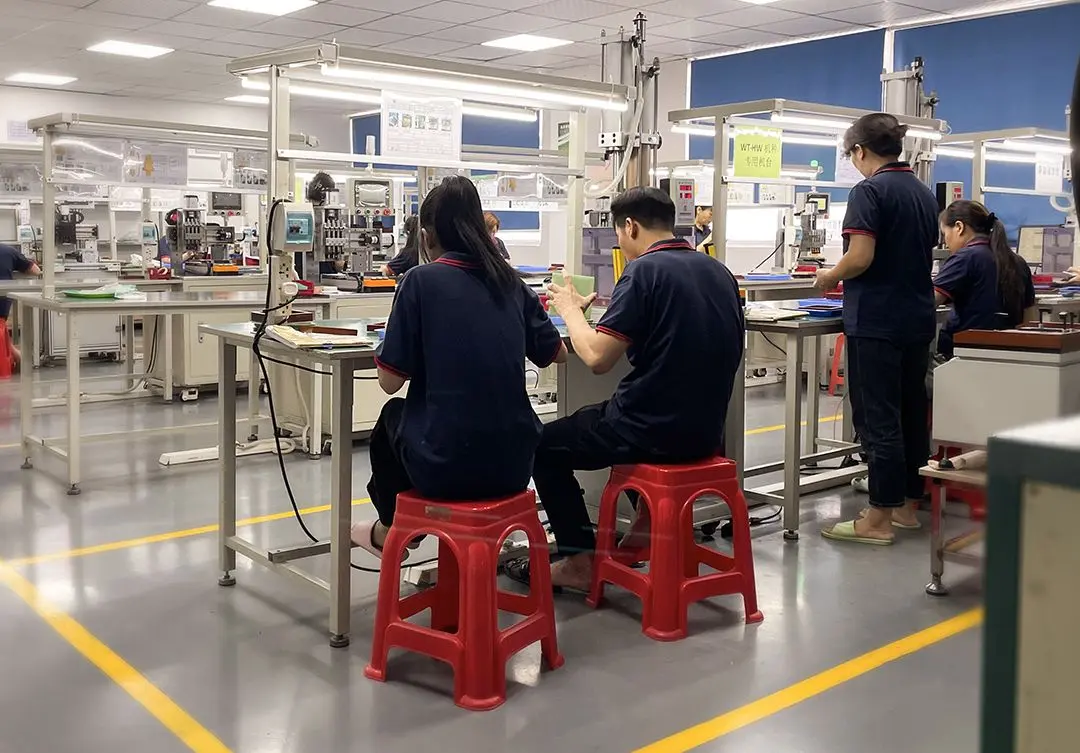
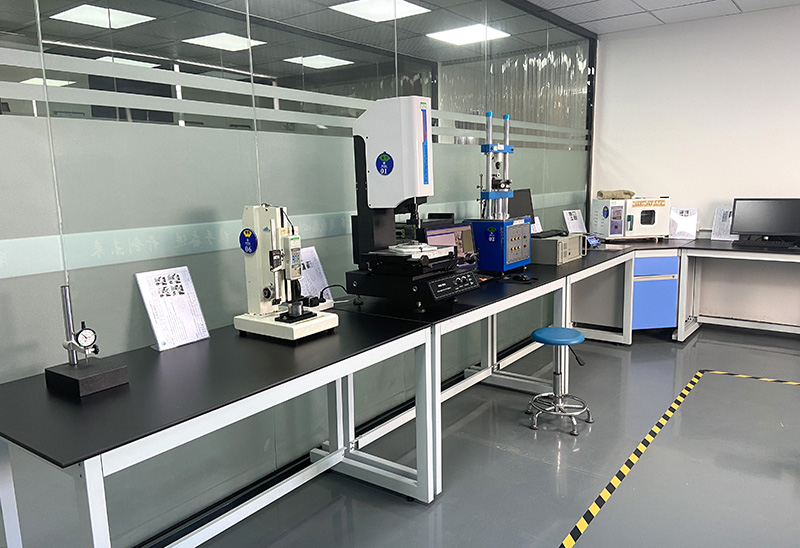
Leveraging more than a decade of active specialization, Rongqiangbin integrates a strict multi-tier quality assurance pipeline. By managing the assembly process end-to-end, our engineers enforce strict 100% mechanical, structural, and electrical parameters validation before shipment. This involves automated optical inspection (AOI) to confirm correct tip alignment, force-stroke testers to confirm spring tension profiles, and high-frequency vector network analyzers to verify target transmission parameters.
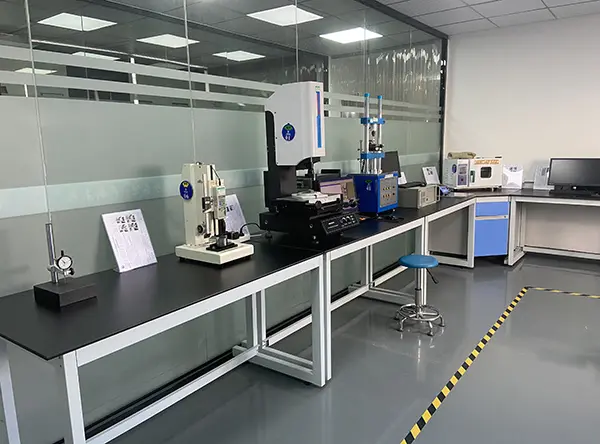
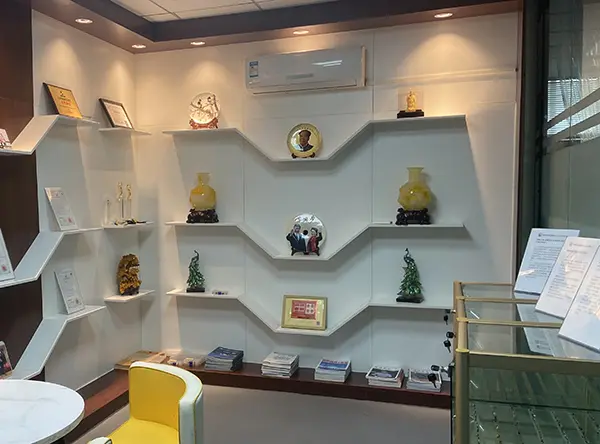
Our commitment to reliable performance is backed by a robust IP portfolio containing over 300 utility patents. Rather than sourcing generic, off-the-shelf connectors, our engineers collaborate directly with customers' R&D divisions to create bespoke, system-level solutions.
As the electronic components industry pushes the limits of miniaturization and signal speeds, several technical trends are shaping the future of custom testing sockets and pogo pin design:
A look at the key values and technical advantages that make us a trusted manufacturing partner for global technology brands.
Decade-long commitment to custom connector innovation, engineering custom components with proprietary technologies that enhance contact reliability and electrical performance.
Our testing labs utilize advanced mechanical cycling fixtures, high-precision thermal chambers, and vector analyzers to ensure every production batch meets strict operational standards.
We execute 100% inspection throughout the production process and before shipping, virtually eliminating out-of-box failures and protecting your backend yields.

"Committed to be excellent POGO PIN manufacturers for both quality and cost at home and abroad, leading connector technology development."
We maintain long-term partnerships with leading companies, including:
Addressing the critical questions of procurement agents, test engineers, and project managers when evaluating high-precision custom interfaces.
A: Custom sockets reduce CoT by maximizing contact life and minimizing downtime. By using optimized metals (such as beryllium copper plungers and stainless steel springs) and precision plating (gold or palladium alloy), our sockets deliver consistent contact resistance (<30mΩ) across hundreds of thousands of cycles. This reliability minimizes false failures and testing stops, leading to improved throughput and lower operational costs.
A: We offer customizable electroplating coatings based on the DUT contact surface composition (lead-free, gold-plated, Sn, or matte Sn). Plating options include high-thickness Gold (Au) over Nickel (Ni) barriers (up to 50 micro-inches of gold) to prevent oxidation, or specialized palladium-cobalt (PdCo) alloy finishes for high-temperature and high-abrasion applications.
A: For RF and millimeter-wave testing, signal integrity is managed through precision CAD co-design. We utilize coaxial-type pogo pin configurations, optimize signal-to-ground layouts, and select low-dielectric constant housing materials (such as Torlon 5030 or PEEK). This reduces insertion loss (S21) and return loss (S11), enabling clean signal paths for high-frequency testing.
A: Thanks to our Swiss-type micro-CNC equipment and advanced tooling capabilities, we maintain body machining tolerances within ±0.01mm. This enables us to manufacture fine-pitch test sockets down to a 0.3mm contact pitch, ensuring accurate pin alignment and preventing structural damage to delicate IC contact pads during test runs.
A: Pogo-pin sockets offer longer cycle lifespans (typically 500k to 1M+ cycles) and are highly tolerant of uneven coplanarity in IC packages. They also offer a wider temperature range (-55°C to +175°C) and are easier to maintain since individual worn pins can be replaced. Elastomeric sockets are better suited for extremely high-frequency RF applications and ultra-fine pitches below 0.3mm, but require more frequent cleaning and have a shorter overall lifespan.
Explore our wider range of spring-loaded contacts, high-current connectors, and custom-molded terminal components.
 Rongqiangbin Electronic