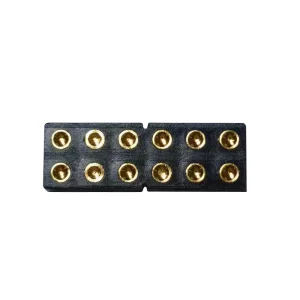
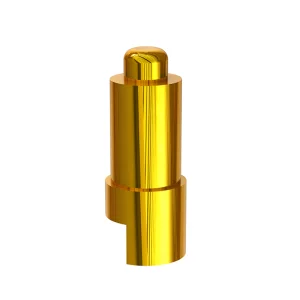
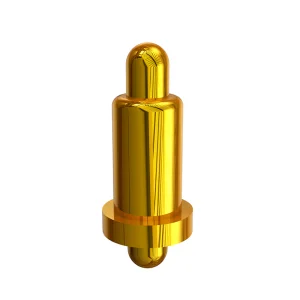
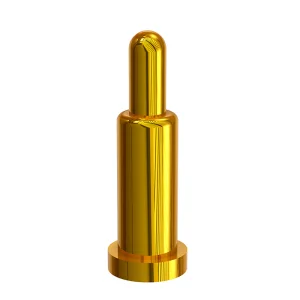
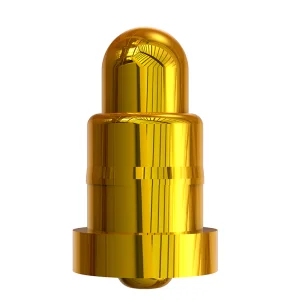
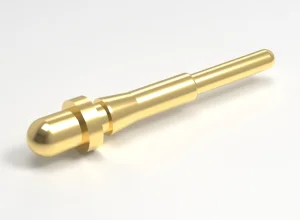
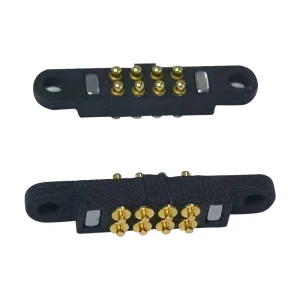
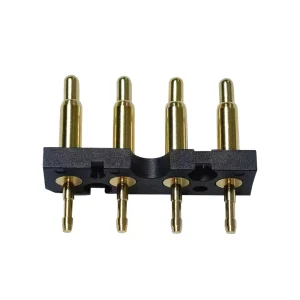
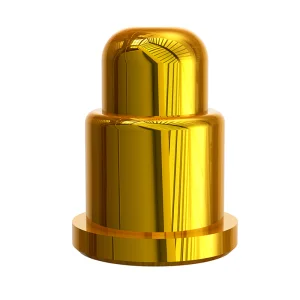
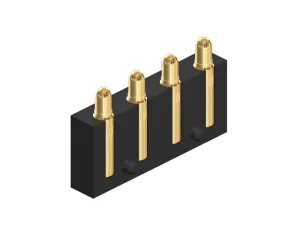
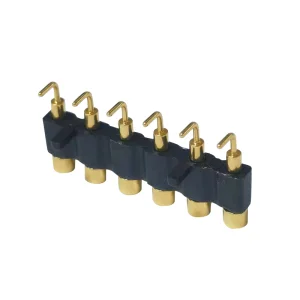
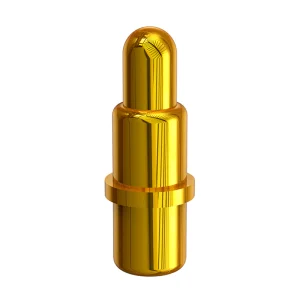
Engineered to meet IPX7, IPX8, and IPX9K standards. Highly configurable dynamic contact interfaces.
A comprehensive analysis of design methodologies, materials science, and waterproofing mechanics for advanced spring-loaded contacts.
In modern electronic design, the necessity for high-reliability components is non-negotiable. Pogo pin connectors (spring-loaded contacts) have emerged as the standard interface for power charging and high-speed data transmission in compact form factors. However, deploying these contacts in devices exposed to sweat, rain, submersions, and chemical washes requires highly sophisticated waterproofing methodologies.
Waterproofing a pogo pin connector is not merely about sealing the housing; it involves addressing dynamic sealing pathways. The plunger moves continuously, creating a sliding interface with the barrel. In standard designs, capillary action pulls moisture inside the barrel, leading to spring corrosion, increased contact resistance, and eventual electrical failure. Manufacturers mitigate these issues using three primary waterproofing methodologies:
The housing material (typically LCP or PBT) is injected under high pressure directly around the metal barrels. This creates an airtight, molecular-level physical seal that blocks fluid ingress through the housing gaps.
Precision-engineered elastomeric rings (silicone, fluorosilicone, or viton) are placed around the pogo pin plunger or barrel to provide dynamic sealing against liquid under structural deflection.
Specialized optical-grade or high-dielectric epoxy resins are potted on the rear side of the PCB to ensure that even under deep pressure, water cannot bridge the conductive paths.
By utilizing these hybrid design architectures, factories achieve ingress protection metrics rating up to IPX8 (continuous immersion under pressure) and IPX9K (high-pressure steam washdown). Each option presents unique trade-offs in terms of insertion force, dimensional tolerances, and capital expenditure tooling requirements.
The global market for custom waterproof pogo pins is undergoing a structural paradigm shift driven by the miniaturization of high-performance hardware. Traditionally limited to military-grade communications equipment, dynamic spring contacts are now standard in consumer electronics, automotive sensor systems, and industrial internet-of-things (IIoT) platforms.
In wearables and medical hardware, the integration of biometric monitoring requires continuous contact with the human epidermis. Human sweat contains sodium chloride and lactic acid, presenting a highly corrosive environment under electrical bias. Connectors lacking sophisticated gold-palladium plating or specialized platinum-group alloy surfaces degrade rapidly.
In the automotive sector, the expansion of Advanced Driver Assistance Systems (ADAS) and New Energy Vehicles (NEVs) has triggered demands for dynamic floating contacts that can handle high vibration, significant temperature swings (-40°C to +105°C), and exposure to automotive fluids. Standard connectors fail due to micro-fretting corrosion, whereas high-durability pogo pins maintain continuous electrical contact.
The manufacturing ecosystem in Shenzhen, specifically in the Songgang electronics cluster, offers unmatched capabilities for high-precision custom hardware. As global procurement officers navigate high inflation and volatile supply chains, the manufacturing infrastructure of Shenzhen Rongqiangbin Electronic Hardware Co., Ltd. (RQB) stands as a key regional asset.
By utilizing advanced automated production lines and real-time optical inspection systems, RQB maintains production velocities that outpace western competitors. Modern CNC swiss-turning machining centers process materials like lead-free brass and beryllium copper to tolerances within ±0.005mm.
Furthermore, RQB's localized supply network allows for vertical integration of key processes: turning, plating, assembly, and testing. This close coordination minimizes lead times for custom tooling and dynamic prototypes from months to just weeks, delivering a key tactical advantage for global OEMs in hyper-competitive markets.
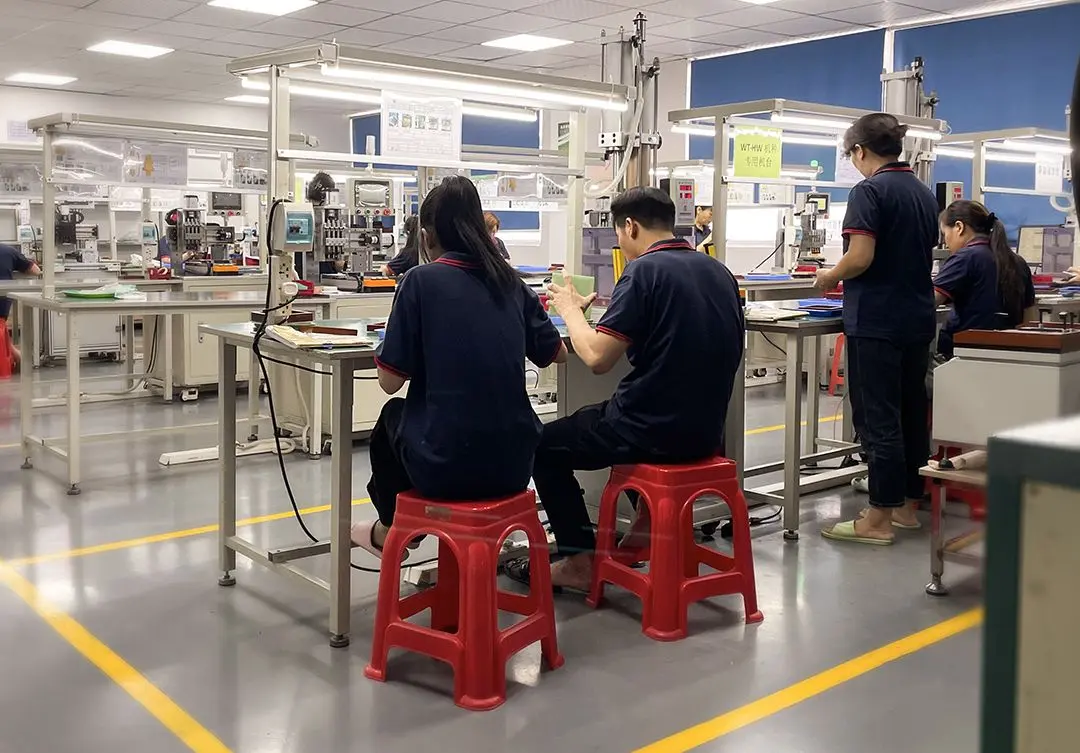
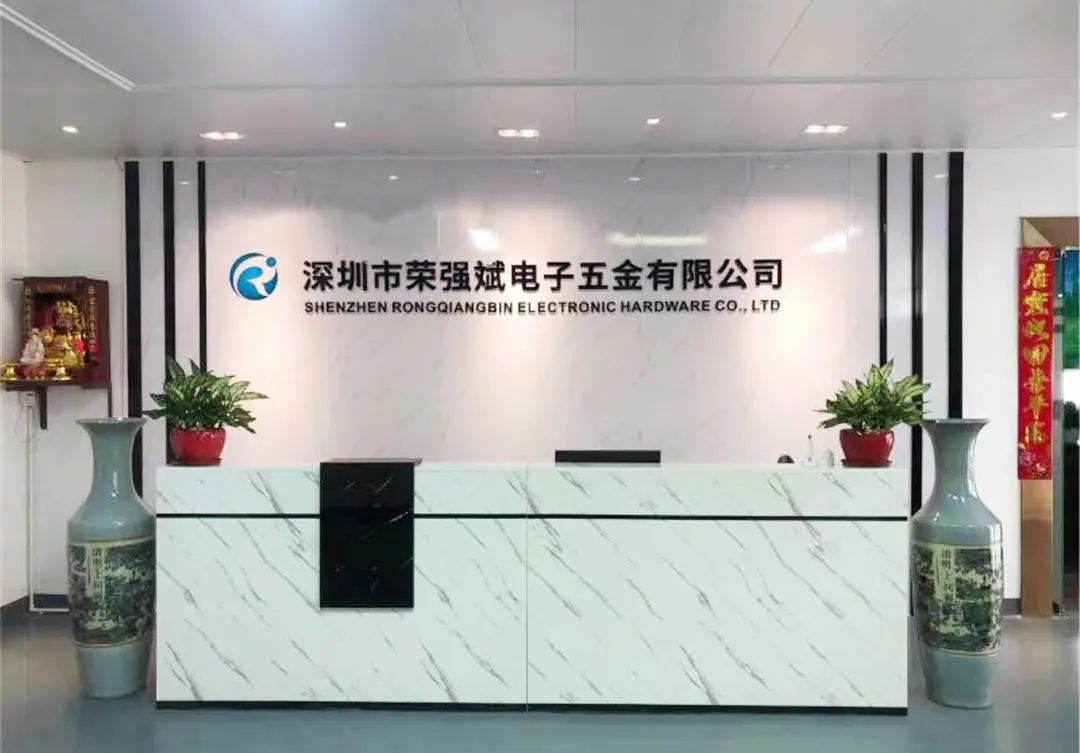
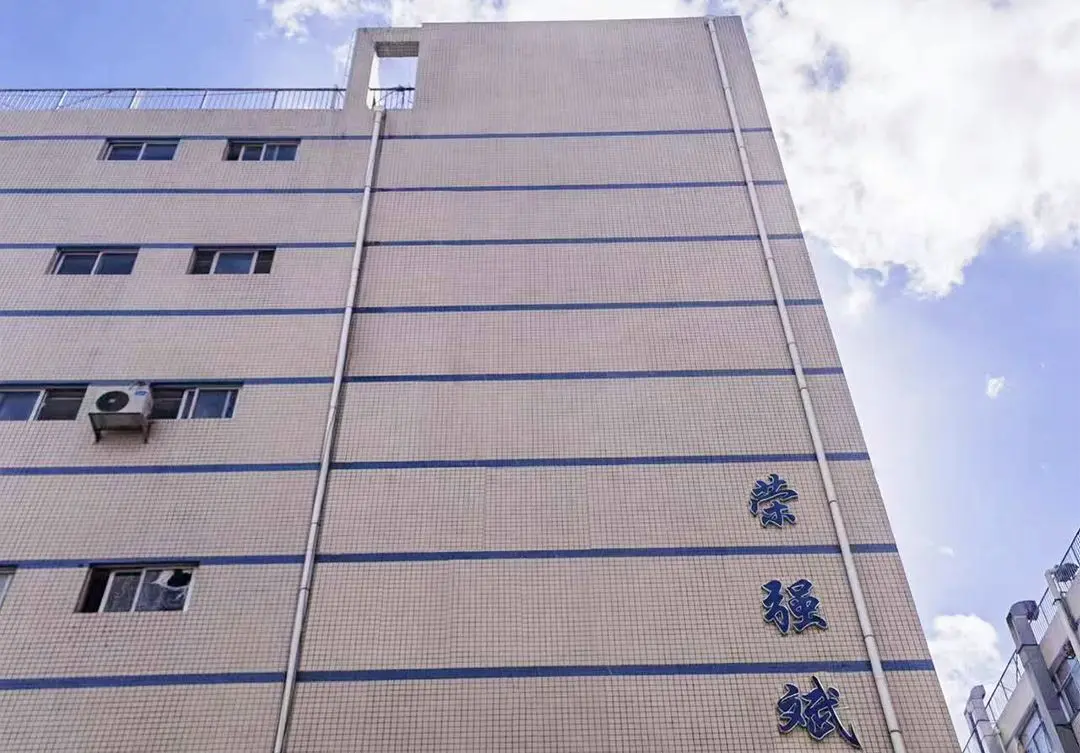
A decade-long legacy of engineering precision, customer-centric partnerships, and reliable interconnect technology.
Founded in February 2011, and strategically situated in Songgang Street, Shenzhen—the leading city of the Guangdong-Hong Kong-Macao Greater Bay Area—Shenzhen Rongqiangbin Electronic Hardware Co., Ltd. has established itself as an industry leader in high-performance POGO PIN connector manufacturing. Over more than a decade of focused industrial refinement, the company has scaled its design, manufacturing, and QA systems to deliver exceptional value to its global partners.
Guided by our core philosophy of "customer first, integrity first," our company supports a dedicated engineering and operations team. We have established long-term, collaborative relationships with many of the world's most recognizable brands. RQB operates under strict quality standards, holding the ISO9001:2015 international quality management system certification. This framework ensures that all environmental compliance standards, including RoHS, REACH, and Halogen-Free protocols, are systematically maintained.
Years of Engineering Experience
Global Industrial Clients
Patents & Proprietary Technologies
Quality Inspections & Factory Acceptance
Our vision is to remain an excellent global POGO PIN manufacturer, optimizing both quality and cost for partners at home and abroad, while continually advancing the boundaries of connector technology. We utilize precision automation to maintain high reliability across high-volume production runs.
Our high-performance interconnect solutions are relied upon by industry leaders across consumer electronics, industrial automation, telecommunications, and high-reliability technology sectors:
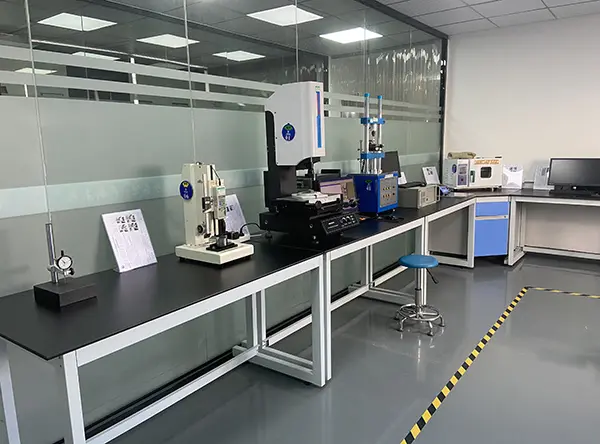
Direct answers from our engineering team on designing and sourcing waterproof spring-loaded interfaces.
Explore more specialized configurations, including side-mount, SMT, DIP, magnetic interfaces, and vehicle-grade pogo pins.
 Rongqiangbin Electronic