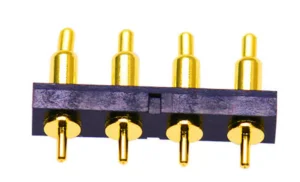
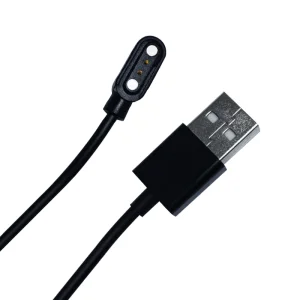
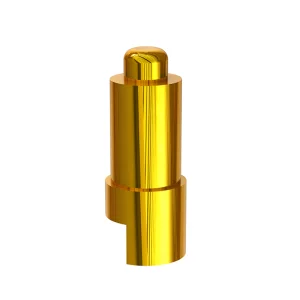
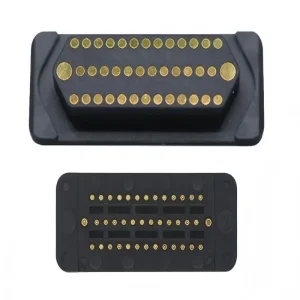
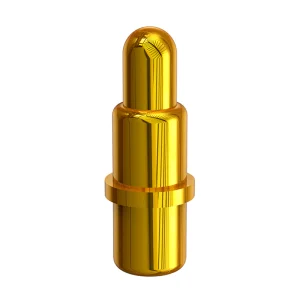
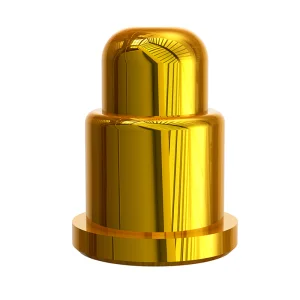
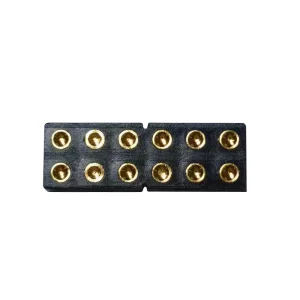
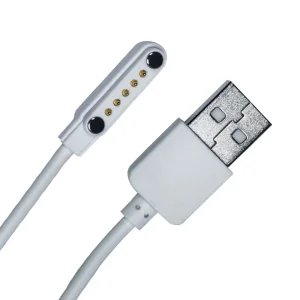
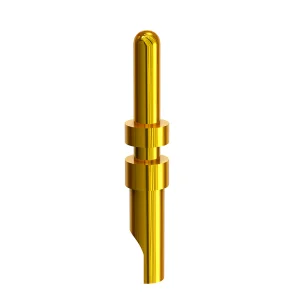
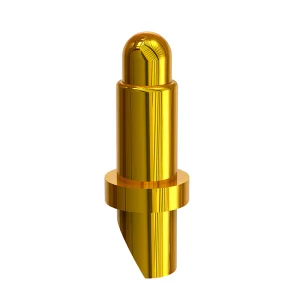
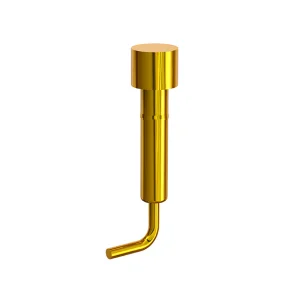
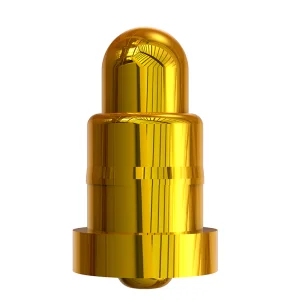
Explore our foundational spring pin designs engineered for smart electronics, commercial devices, and advanced magnetic connections.
In the era of micro-miniaturized electronics, wearables, IoT nodes, and high-frequency communication modules, mechanical interconnect system failure is one of the leading causes of overall product returns. Standard static pins often fall short when subjected to vibrations, spatial constraints, and high mating cycle demands. This is where Pogo Pin (spring-loaded contact) technology steps in.
A pogo pin consists of three fundamental parts: a plunger, a spring, and a barrel. This guide works as an engineering playbook to outline structural principles, electro-mechanical design recommendations, material selection, and optimization methodologies. Developing custom solutions with a qualified factory like Shenzhen Rongqiangbin ensures that your design overcomes space limitations, achieves robust electrical conductivity, and manages challenging mechanical conditions.
Pogo pins rely on precise internal geometry to maintain stable contact resistance (Rc) during dynamic compression. Here are the three main types of plunger designs:
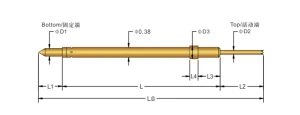
Critical mathematical and mechanical parameters that electrical engineers must calculate before starting the mold and manufacturing process.
Continuous currents range from 1A to over 30A for high-power interfaces. Designers must specify maximum transient currents, operating voltage (typically < 36V DC), and limit contact resistance below 30mΩ to prevent thermal runaways.
Always specify the "Working Stroke" (usually 60% to 80% of the total stroke). Working under minimal deflection risks contact drops, while compressing to the maximum limits spring lifespan due to material stress fatigue.
Gold (Au) plating thickness ranges from 3u" to 50u" depending on durability targets. Nickel (Ni) underplating acts as a diffusion barrier. For medical devices or wearables, custom alloys like Platinum or Palladium-Nickel (Pd-Ni) prevent human sweat corrosion.
| Part Component | Common Materials Used | Standard Plating Specifications | Role & Engineering Objectives |
|---|---|---|---|
| Plunger (Piston) | Brass (C3604), Beryllium Copper (BeCu) | 0.1μm – 1.25μm Gold (Au) over Nickel (Ni) underplate | Maintains connection with the mating pad. Beryllium copper is selected for complex geometries and thin walls. |
| Barrel (Tube) | Brass (C3604) | 0.05μm – 0.75μm Gold (Au) over Nickel (Ni) | Houses the spring and plunger. Dictates structural assembly interface (SMT, DIP, or Wire Soldering). |
| Spring | Stainless Steel (SUS304), Music Wire (SWP) | Gold flash (for corrosion protection and conductivity) | Provides required contact force. Music wire has high tensile strength but lower corrosion resistance than SUS304. |
| Insulator Housing | HTN, LCP, PA46, PA9T (Thermoplastics) | N/A (UL94-V0 rated) | Provides mechanical alignment, environmental seals, and electrical insulation in multi-pin configurations. |
Direct vertical compression is always ideal. Off-axis mating forces side-loads on the plunger, which accelerates barrel wear, creates unstable mechanical play, and can ultimately lead to plunger jamming. If an angular approach is necessary, design a physical guide pin or alignment keys to correct the mating orientation before electrical contact occurs.
Shenzhen Rongqiangbin Electronic Hardware Co., Ltd. is located in Shenzhen, the leading city of the Guangdong-Hong Kong-Macao Greater Bay Area. Our company was founded in February 2011 in Songgang Street, Shenzhen, specializing in the development and manufacturing of high-reliability Pogopin connectors. After years of focused development, structural engineering research, and manufacturing advancements, the company grew into a prominent leader in the connector industry.
Our commitment to technical precision and a customer-centric model has allowed us to deliver spring-loaded connection solutions to tier-1 technology partners globally. Our vertically integrated facility handles structural design, high-speed turning, precision injection molding, assembly, and automated electro-optical inspections under one roof.
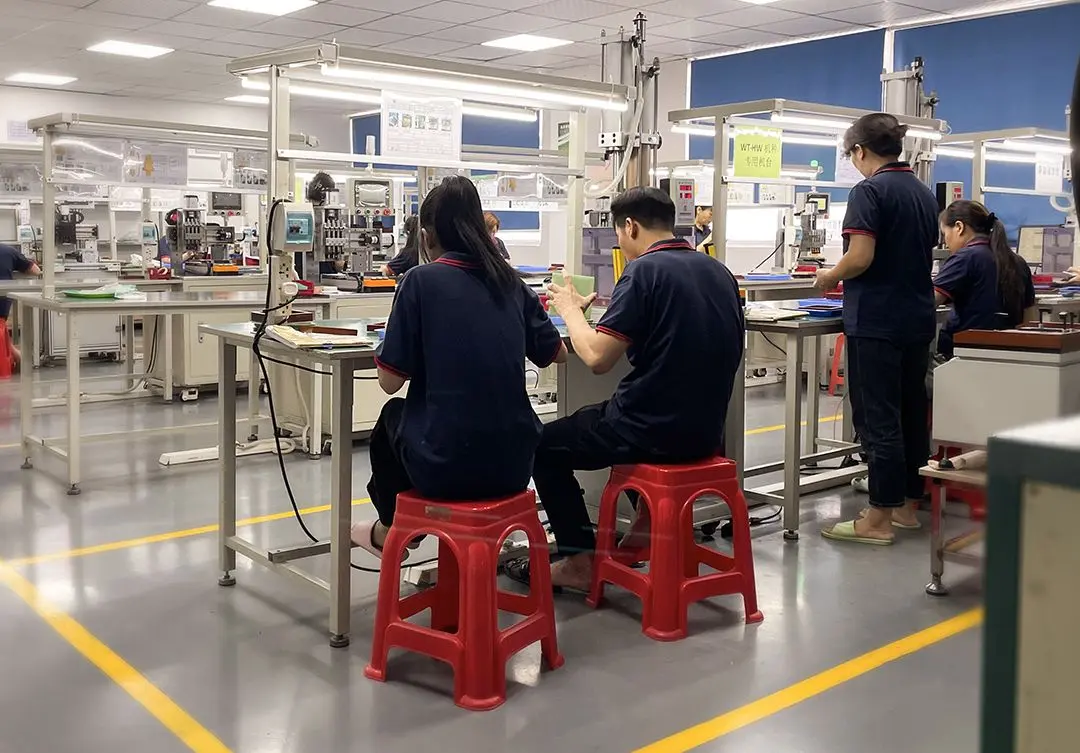
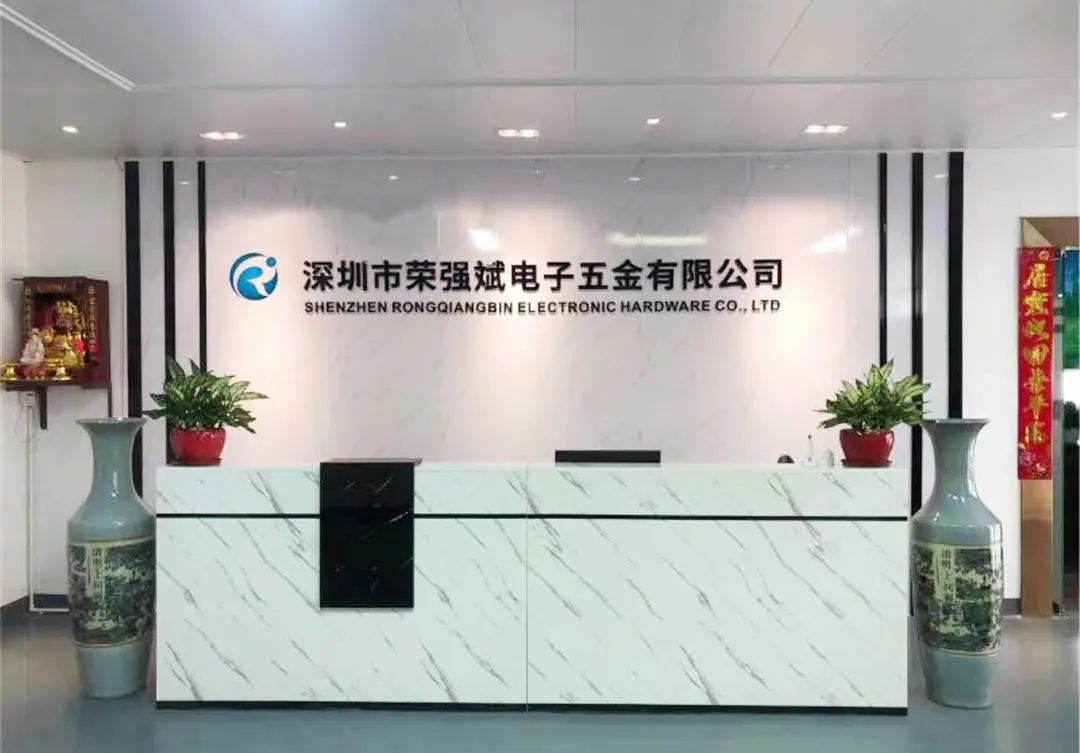
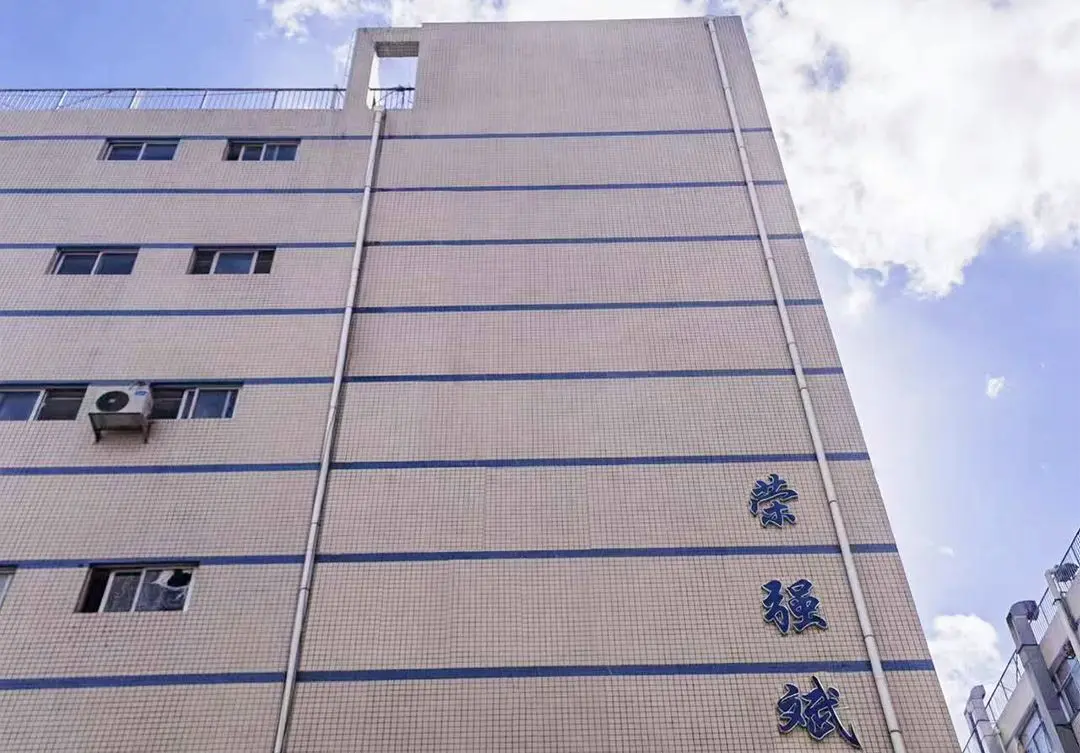
Supporting product development cycles with reliable test laboratories, ISO certification compliance, and global delivery systems.
Our company follows the core principle of "customer first, integrity first." We rely on a strong engineering team and have established long-term cooperative partnerships with several major industry leaders:
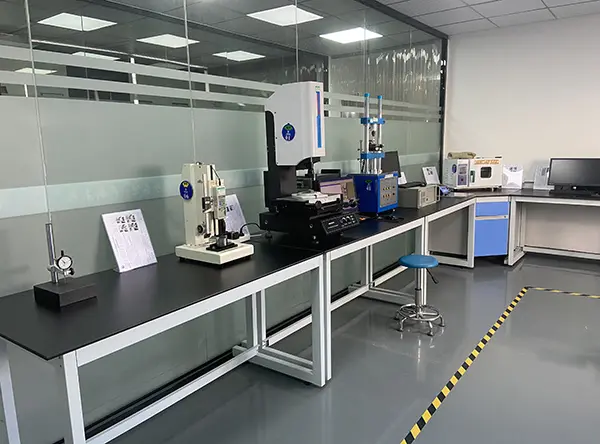
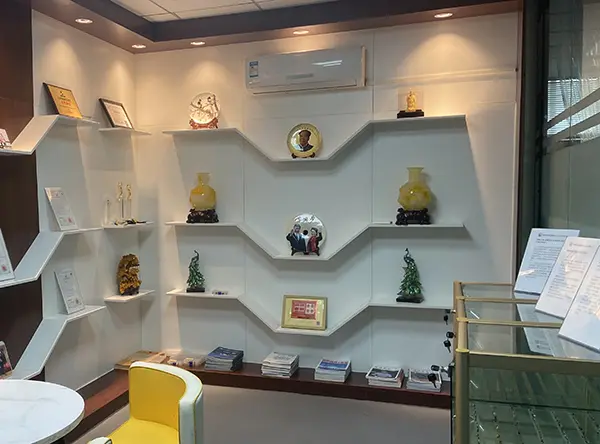

We operate under the ISO9001:2015 international quality management system certification. Our production facility features a specialized quality management team and an environmental compliance system. We test and verify all mechanical and electrical limits in our in-house lab, measuring plating thickness with X-ray fluorescence, mapping force-deflection curves, and conducting salt spray tests to ensure long-term environmental resistance.
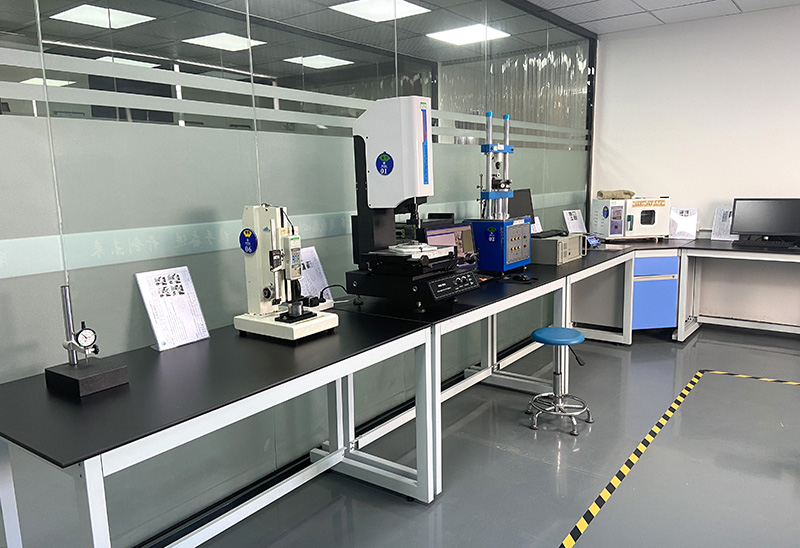
Our workshop utilizes high-precision Swiss-type CNC automatic lathes and high-speed rotary transfer machines to process miniature components with dimensional tolerances within ±0.005mm.
By automating the insertion of spring components and the housing molding processes, we maintain high production yields and lower assembly costs. These factors make us a reliable, cost-effective partner for global OEMs and ODMs looking to scale high-density connector architectures.
How our team helps procurement departments streamline lead times, manage custom designs, and coordinate complex supply chains.
We supply rapid 3D prototypes and mechanical drafts in 24 to 48 hours. Our fast-turn manufacturing process runs sample batches in under 10 days, helping you validate your designs quickly.
By producing critical metal components, springs, and plastic housings in-house, we reduce reliance on third-party suppliers. This allows us to keep lead times stable even during high market demand.
All raw materials and platings strictly comply with global environmental directives, including RoHS, REACH, and Halogen-Free requirements. We provide complete material data sheet declarations.
As micro-electronics shrink and power delivery requirements grow, spring-loaded contacts must adapt. Here is our engineering development plan.
Increasing pin densities for complex PCBs and computing cards. We are refining our micro-machining capabilities to manufacture plungers with diameters down to 0.15mm and spring thicknesses under 0.04mm.
Developing high-current interfaces (20A to 50A) for light electric vehicles, robotics, and industrial battery packs. These designs feature internal ball assemblies and low-resistance copper materials.
Tuning internal impedances to match 50Ω and 100Ω characteristics. This enables high-frequency USB 4.0, PCIe, and 5G test setups with low insertion and return losses.
Common technical questions from electrical engineers and sourcing specialists regarding custom pogo pin design and production.
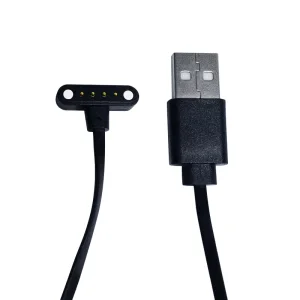
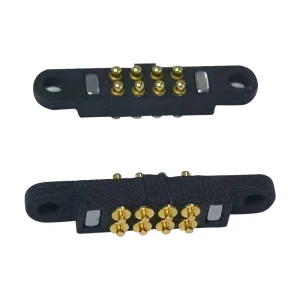
Discover our custom multi-pin assemblies, magnetic cables, and specialized mounting solutions designed for high-density systems.
 Rongqiangbin Electronic