In the era of hyper-miniaturization, High-Frequency IoT, and high-power density electric drivetrains, the humble electrical connector has transitioned from a basic structural commodity to a critical node of system efficiency. Global OEMs (Original Equipment Manufacturers) and ODMs (Original Design Manufacturers) are experiencing unprecedented performance challenges: design architectures mandate reduced contact pitch, higher current tolerance, low contact resistance, and extreme physical durability.
From medical devices to autonomous vehicles, standard off-the-shelf connector solutions no longer suffice. Deep physical-chemical alignment, custom metallurgy, and custom housing designs have made specialized ODM connector solutions a cornerstone of electronic hardware success. As key components in power conversion, data acquisition, and signal distribution, custom contact designs ensure that performance is never compromised by geometrical constraints.
Whether deploying low-profile wearable solutions in highly humid local coastal environments or engineering high-power connectors for automotive fast-charging networks across international matrices, material choices and contact designs dictate system longevity. A breakdown of key engineering focuses reveals how modern design strategies address these complex structural demands:
The Pearl River Delta, centered around Shenzhen, represents the pinnacle of micro-electronic hardware supply chain density. Shenzhen Rongqiangbin Electronic Hardware Co., Ltd. was established in February 2011 in Songgang Street, Shenzhen, placing us at the heart of this global manufacturing ecosystem.
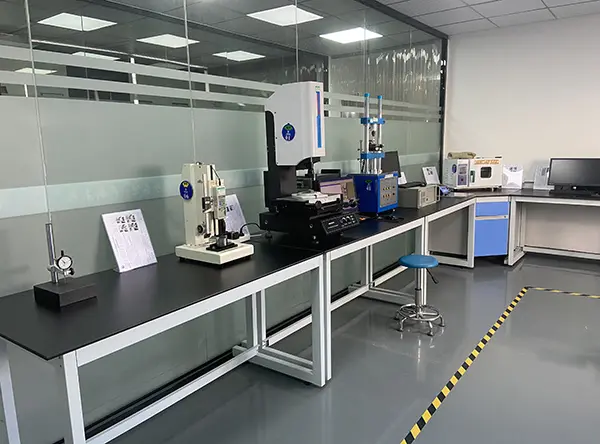
The proximity to raw material producers, state-of-the-art electroplating facilities, and precision tooling manufacturers allows us to shorten custom prototyping cycles down to a few days. Our vertical integration strategy ensures that tooling design, custom turning, plastic injection molding, and performance testing occur within our tightly managed facility. This results in significant cost reductions and high consistency, even for high-volume orders.
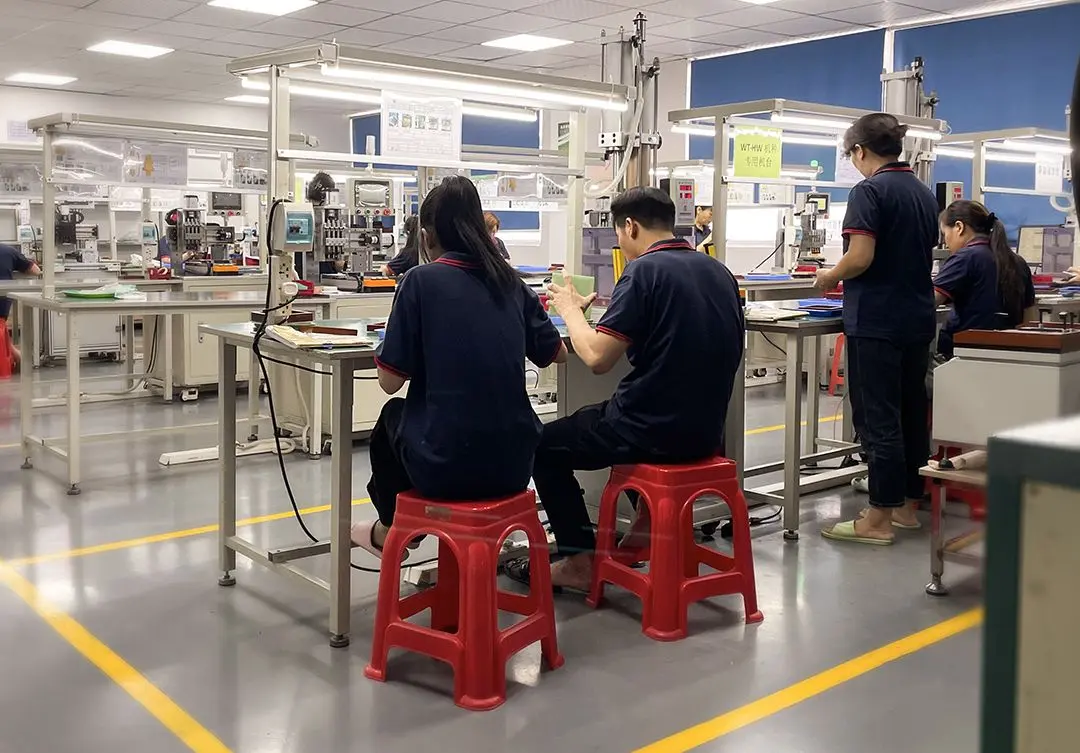
Shenzhen Rongqiangbin Electronic Hardware Co., Ltd. is located in Shenzhen, the leading city of the Guangdong-Hong Kong-Macao Greater Bay Area. Our company was founded in February 2011 in Songgang Street, Shenzhen, specializing in the development and manufacturing of Pogo Pin connectors. After years of efforts and sedimentation, the company gradually became a leader in the industry.
Operating under the strict guiding principle of "customer first, integrity first", our professional POGO PIN industry technology production team maintains long-term cooperative partnerships with multiple tier-1 enterprises. We have obtained the ISO9001:2015 international authoritative quality management system certification, and maintain a robust quality assurance team and environmental management system to ensure that all finished products meet our clients' rigorous environmental and functional specifications.
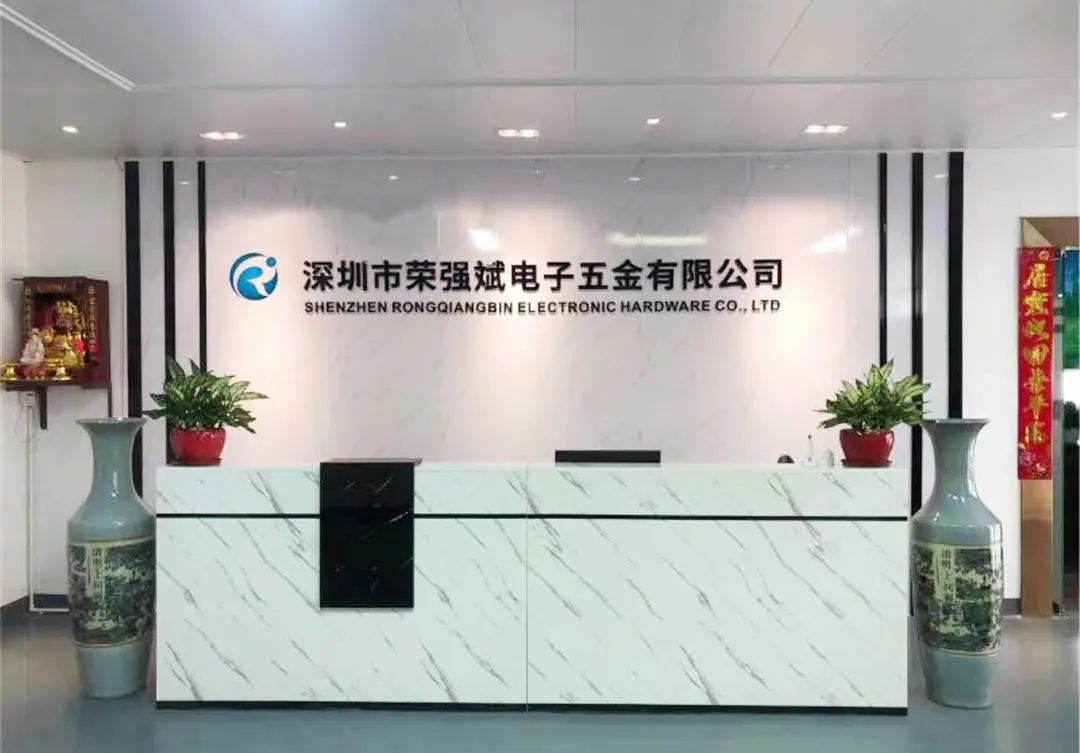
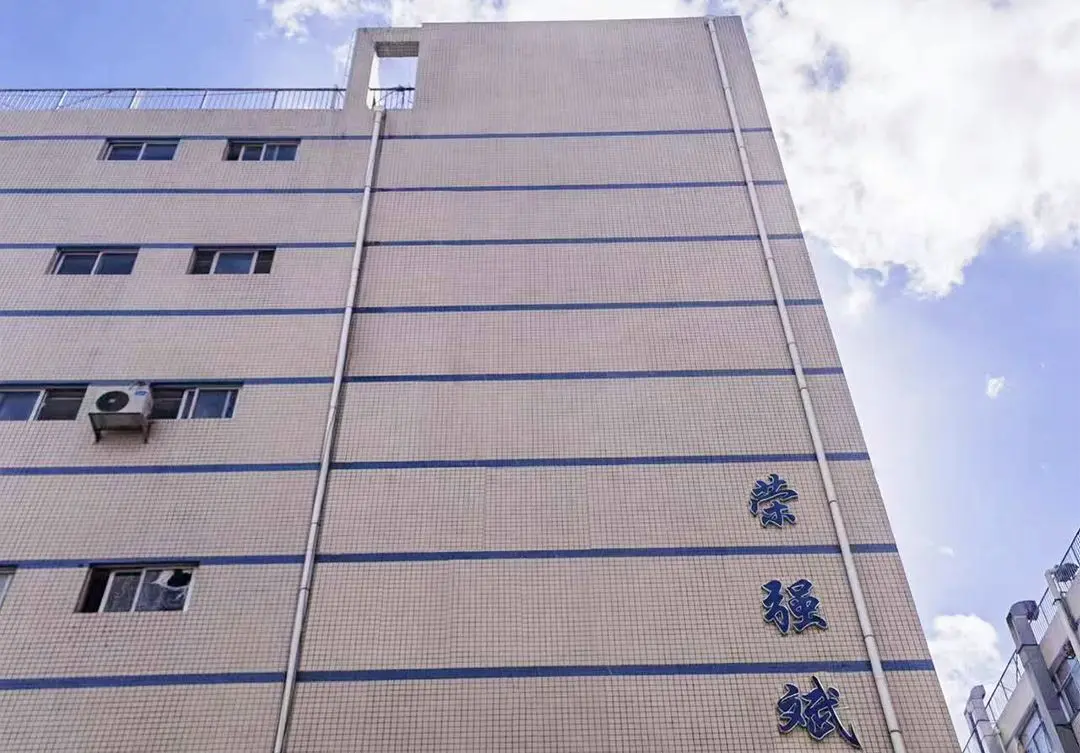
Our vision is to be an excellent POGO PIN manufacturer recognized for both unmatched quality and optimized cost structures, at home and abroad, while continually leading connector technology development.

When requesting a custom ODM connector solution, understanding the relationship between plating chemistry, mechanical load, and spring dynamics is vital for engineers. Each variable influences electrical resistance and wear over the life of the product.
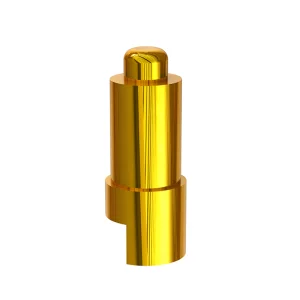
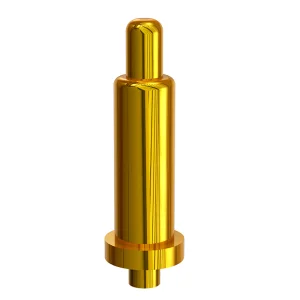
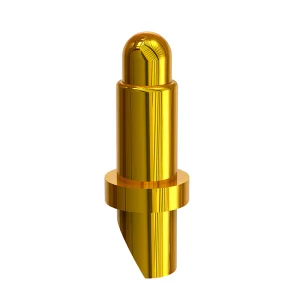
In standard pogo pin assemblies, the plunger base meets the internal spring directly. However, for applications requiring high current transmission or high vibration resistance, adding a precision brass or stainless steel ball (or using a biased-cut plunger design) creates a lateral force component. This forces the plunger into closer contact with the barrel wall, reducing contact resistance variations and avoiding intermittent connection dropouts.
Under high humidity, skin contact, or saline atmospheres, copper and base alloys corrode rapidly. Our plating protocols support custom thicknesses of Gold (Au) ranging from 1 to 50 micro-inches over a Nickel (Ni) underplate. For corrosive wearable environments, we offer advanced Palladium-Nickel (Pd-Ni) or Platinum-based platings to guard against electrolysis, sweat corrosion, and galvanic degradation.
 Rongqiangbin Electronic