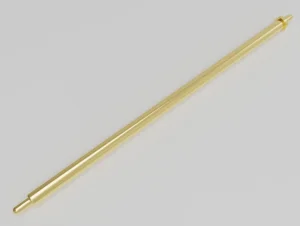
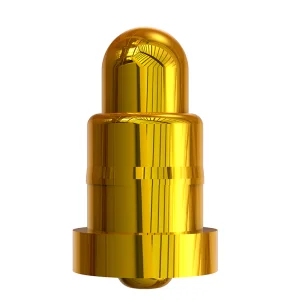
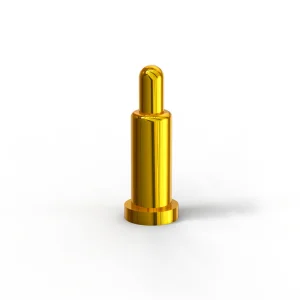
In the highly competitive electronics manufacturing landscape, spring-loaded pogo pin connectors and testing fixtures have emerged as foundational pillars for quality control, device programming, and component verification. Historically, contact testing relied on rigid pin configurations. The paradigm shifted toward flexible, dynamic spring-loaded contact pins (pogo pins) to mitigate risk in ultra-dense, micro-pitch electronic architectures.
Today's global industrial market demands highly responsive and scalable manufacturing. Global supply chains in the semiconductor, aerospace, automotive electronic testing, and advanced consumer electronics spaces require specialized tooling solutions. Research shows that integrating automated test equipment (ATE) with customized Pogo Fixtures significantly reduces testing cycles, optimizes thermal limits, and minimizes physical damage to delicate PCB landing pad configurations.
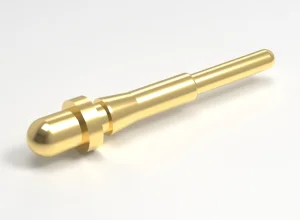
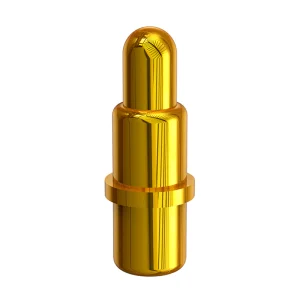
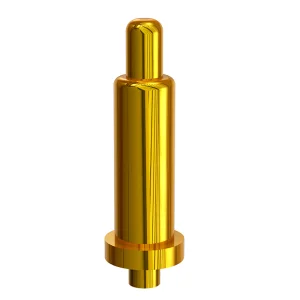
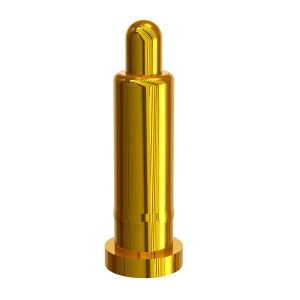
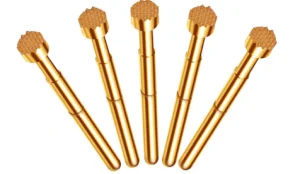
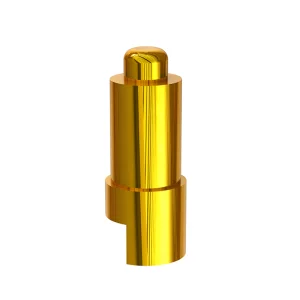
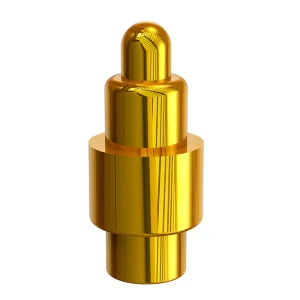
A precision pogo pin contains three vital components designed to coordinate physical contact and electrical conductivity: the plunger, the internal spring, and the barrel. Achieving exceptional reliability during hundreds of thousands of compression cycles requires specialized metallurgical choices. Typical barrels use a brass alloy base featuring heavy gold plating over nickel diffusion barriers. The plunger relies on hardened beryllium copper or tool steels, shaped to ensure low, stable contact resistance under dynamic conditions.
High-grade gold electroplating secures consistent conductivity, limits corrosion, and prevents oxidation. Nickel barriers mitigate copper migration, safeguarding signal integrity over prolonged testing runs.
Precision springs provide targeted contact force (typically 20g to 150g). This guarantees electrical continuity while preventing structural deformation on the circuit board pads.
From pointed and serrated tips to flat and concave configurations, customized tip designs match various targets (vias, solder balls, or flat gold pads) to maximize surface area contact.
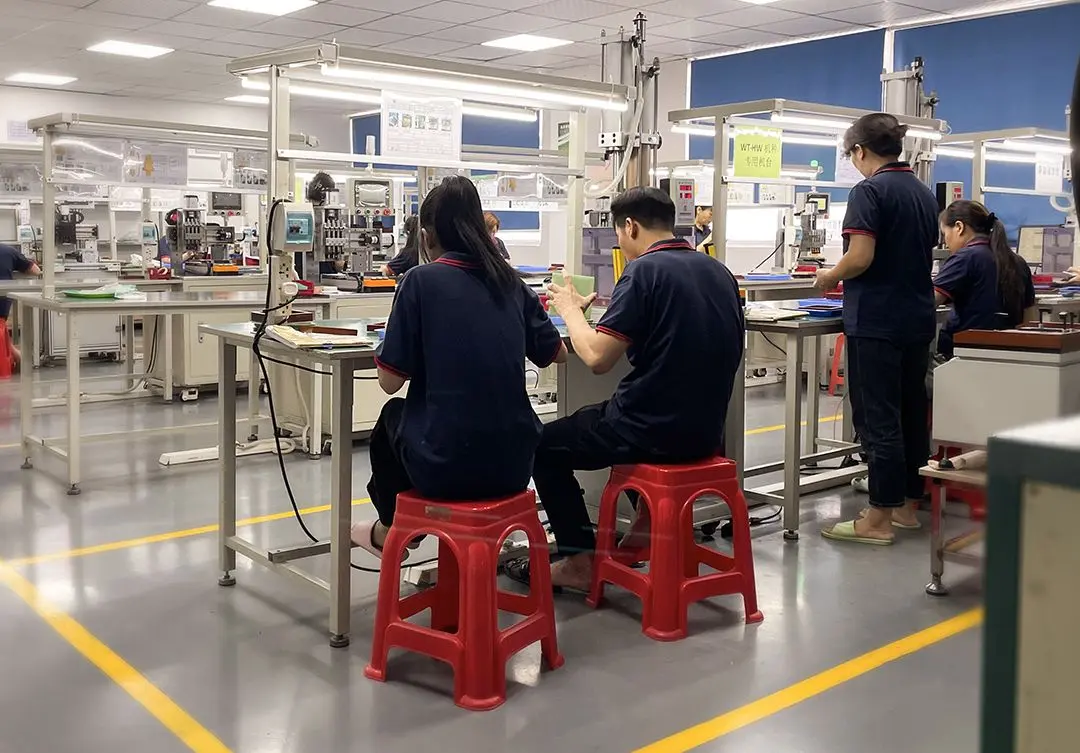
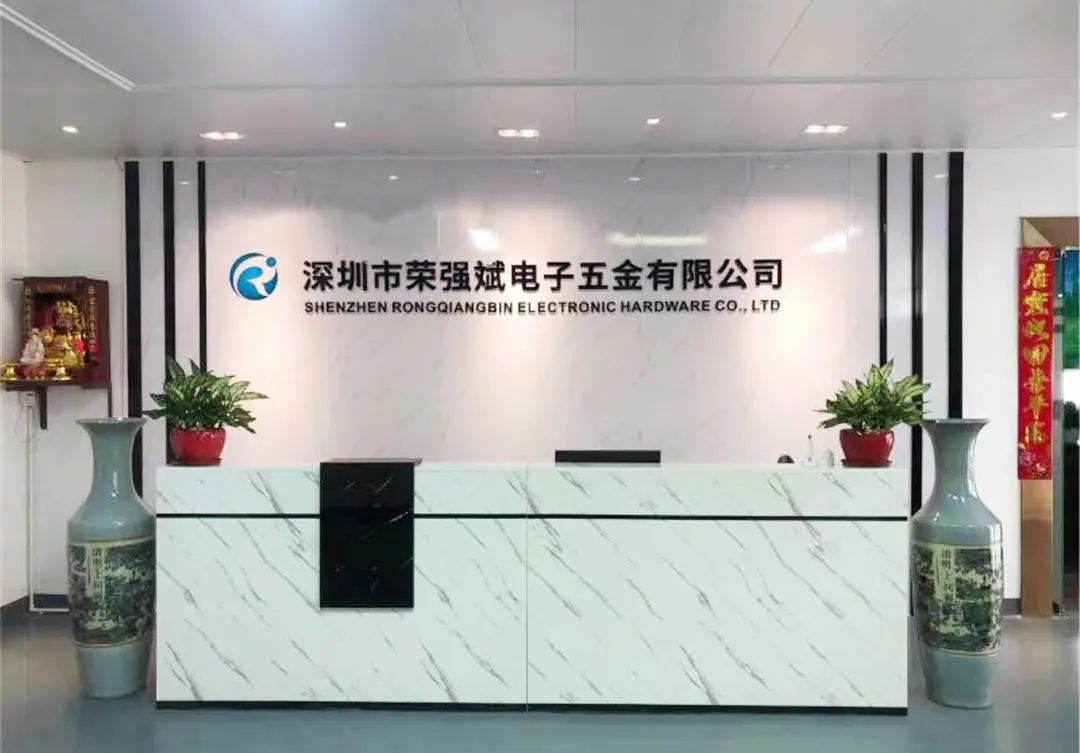
Shenzhen Rongqiangbin Electronic Hardware Co., Ltd. leads the industry in manufacturing high-precision spring-loaded contacts and custom test fixtures. Strategically located in the Songgang Street manufacturing hub within Shenzhen, our facility specializes in end-to-end ODM designs. We support clients through initial geometric analysis, high-speed turning, molding, assembly, and automated optoelectronic checks.
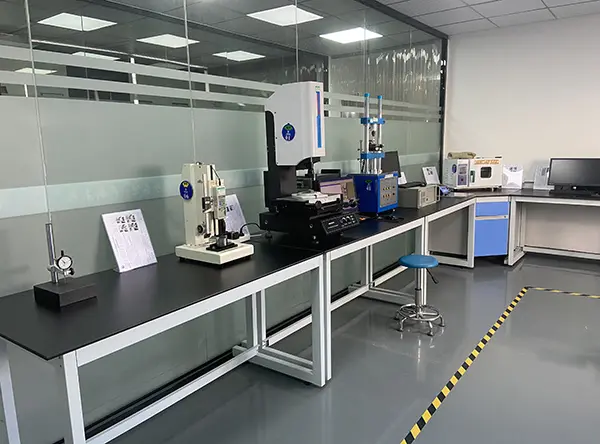
Equipped with an ISO9001:2015 certified quality management network, our team utilizes advanced optical measurement systems, mechanical cycle testers, and micro-ohm resistance meters to guarantee 100% component inspection before shipping. This focus on precision allows us to develop connectors that withstand the demanding conditions of consumer electronics assembly lines and vehicle validation platforms.

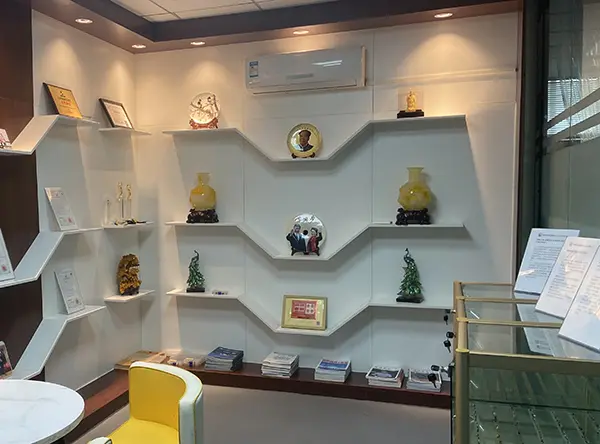
Our commitment to quality, reliable delivery, and competitive costs has earned the trust of leading global brands and system integrators. Our long-term cooperative network spans diverse electronics sectors, partnering with prominent enterprises such as:
As microelectronics shrink and signal speeds rise, the testing industry faces demanding new requirements. Our engineering team keeps pace by focusing on key performance trends:
Traditional pogo pins act like inductors, causing signal degradation at gigahertz frequencies. Modern ODM fixtures resolve this using coaxial shielding, impedance-matched structures, and shortened pin travel to support high-frequency interfaces for 5G, Wi-Fi 7, and automotive radar modules.
Electric vehicle (EV) controllers and fast-charging hardware require pins that can carry high currents without overheating. Specially engineered high-current pogo pins leverage internal ball bearings or biased-plunger configurations to ensure direct electrical paths and low contact resistance.
Smart factories rely on automated test lines with minimal manual intervention. Modern fixtures integrate pneumatic components, alignment sensors, and digital wear indicators to predict when pins need replacement, reducing unplanned downtime.
To help clients launch new products faster, we provide comprehensive ODM and OEM solutions tailored to specific industries:
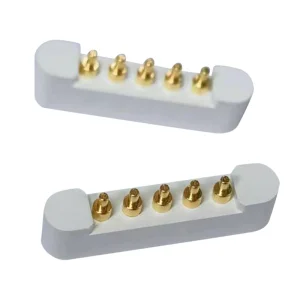
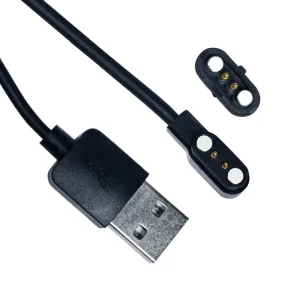
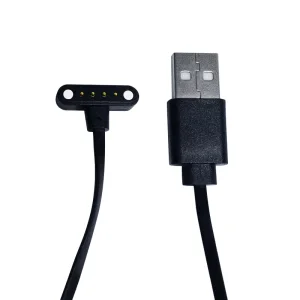
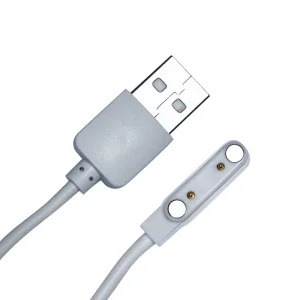
We supply ultra-compact, corrosion-resistant pogo pin configurations with sweat-resistant gold plating for TWS earbuds, smartwatches, and magnetic computer keyboards.
Our heavy-duty, vibration-proof pogo connector systems withstand thermal stress and ensure reliable charging interfaces for electric vehicles and industrial control units.
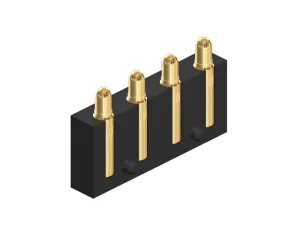
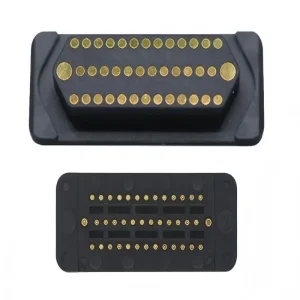
We construct fine-pitch, modular test sockets and pogo fixtures that ensure clean signal transition and low contact resistance during wafer and package testing.
 Rongqiangbin Electronic