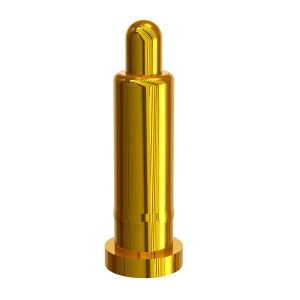
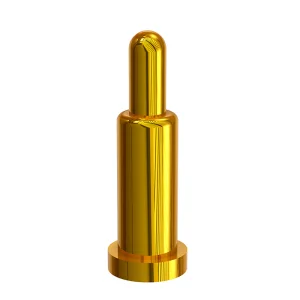
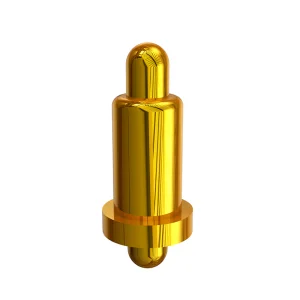
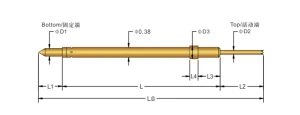
Explore our highly-customized spring-loaded connector series engineered for high-performance data transmission, docking, and power delivery.
Pogo pins (spring-loaded electrical connectors) have revolutionized hardware engineering by offering incredibly durable, low-profile, and highly tolerant contact points. Whether deploying smart home docks, medical monitoring instruments, TWS Bluetooth headphones, or high-performance computer interfaces, selecting the correct pogo pin configuration, mounting architecture, and manufacturing partner determines the long-term reliability of your hardware.
As a premier OEM/ODM pogo pin manufacturer based in Shenzhen, China, Shenzhen Rongqiangbin Electronic Hardware Co., Ltd. (founded in 2011) has accumulated over a decade of technical execution. This whitepaper serves as an industry-standard procurement and integration handbook for hardware engineers and supply chain directors globally.
Successful integration of spring-loaded pins requires meticulous attention to mechanical tolerances, alignment methods, and electrical requirements.
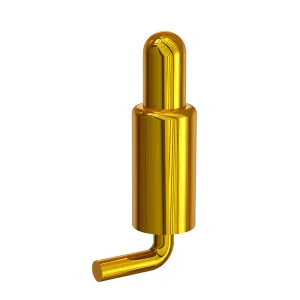
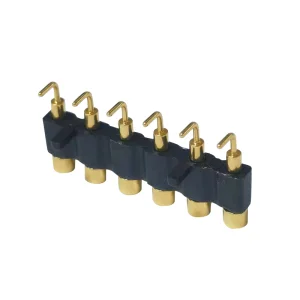
Determine how the barrel will integrate with the PCB. SMT (Surface Mount Technology) is highly automated and space-saving. Through-Hole (DIP) provides superior mechanical strength under shear load, while Right-Angle / Bending designs are optimal for edge-mounted or perpendicular daughterboards.
Always design your device compression around the recommended working stroke (typically 60% to 80% of max travel). Designing at maximum compression risks internal spring damage, while under-compression leads to contact instability, micro-arcs, and signal degradation.
Pogo pins cannot handle large lateral shear forces. Utilize structural alignment features like guide posts, mechanical lips, or magnetic couplings to ensure vertical compression. The target contacts on the mating PCB should ideally be gold-plated brass target pads for minimal corrosion.
| Parameter Class | Target Standard Values | Critical Engineering Considerations |
|---|---|---|
| Contact Resistance | ≤ 30 mΩ (Dynamic) | Essential for stable high-speed data transmission and low insertion loss. |
| Rated Current | 1A to 15A (Custom High-Current up to 30A) | High-current applications require thick-walled barrels and specialized plungers. |
| Mechanical Durability | 10,000 to 1,000,000 Cycles | Dictated by spring material (music wire, stainless steel, or beryllium copper). |
| Working Spring Force | 60g - 150g (Application Dependent) | Must balance stable contact with preventing excessive wear on gold plating layers. |
| Plating Composition | Au (Gold) over Ni (Nickel) underplate | Typically 3u" to 50u" Au depending on exposure to sweat or outdoor humidity. |
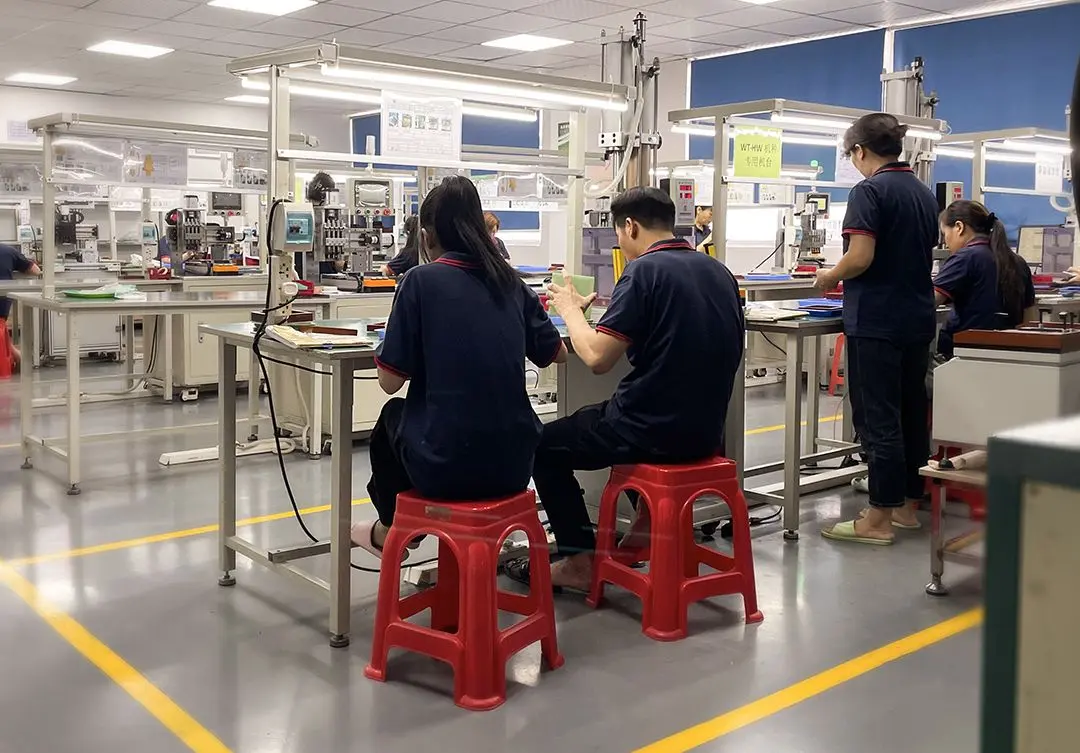
Sourcing from a specialized hub like Songgang Street, Shenzhen—often described as the Silicon Valley of hardware—offers global buyers unparalleled lead-time and technology advantages. The direct accessibility to high-precision CNC automatic turning machines, raw material processing facilities, and automated electroplating partners reduces prototyping timelines to under a week.
Furthermore, at Shenzhen Rongqiangbin, our vertically integrated assembly workflow eliminates intermediary transit delays, providing a robust production output capable of delivering millions of pins monthly. Our global footprint covers major industrial markets, offering logistics pathways that minimize custom delays.
Enterprise clients require strict reliability verification, regulatory compliance, and local FAE (Field Application Engineering) support.
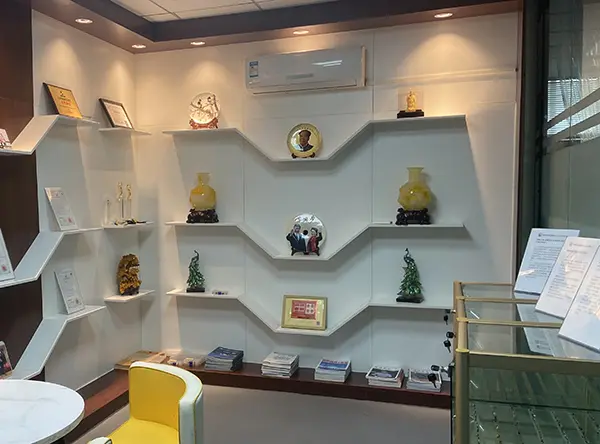
We operate under the ISO9001:2015 International Quality Management System certification and environmental compliance protocols (RoHS, REACH, HF) to service demanding technology partners:
How industries customize spring-loaded systems to optimize form factors, ergonomics, and environment-resilient performance.
Bluetooth headphones and fitness trackers require extremely compact, highly sweat-resistant charging interfaces. Standard connectors fail due to skin acid corrosion. The solution is utilizing advanced gold-plating formulations (up to 30u") and waterproof IPX7/IPX8 structural integration through overmolding (insert molding) technology.
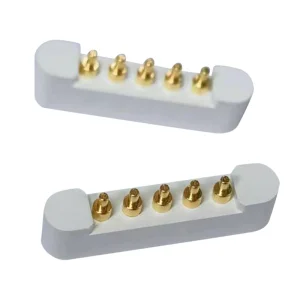
Detachable tablet keyboards demand ultra-low profiles, quick-release capabilities, and reliable magnetic alignments. Utilizing single-row multi-pin SMT pogo connectors ensures that data and power are bridged instantly when the keyboard docks, maintaining high-speed signal integrity for USB 3.0 / PCIe lanes.

During electronics assembly, test technicians must cycle board-level contact pads hundreds of thousands of times. High-durability probe-type pogo pins with aggressive tip styles (crown, chisel, serrated) are used to penetrate oxidation layers on test PCBs, guaranteeing correct readings.
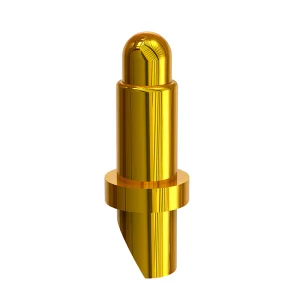
From robotic AGVs to electric vehicles and modern mobile devices, pogo pins are designed with specialized internal ball bearings or bias-cut plungers. This ensures the plunger maintains continuous lateral contact with the barrel wall, avoiding spring burn-out at high currents.
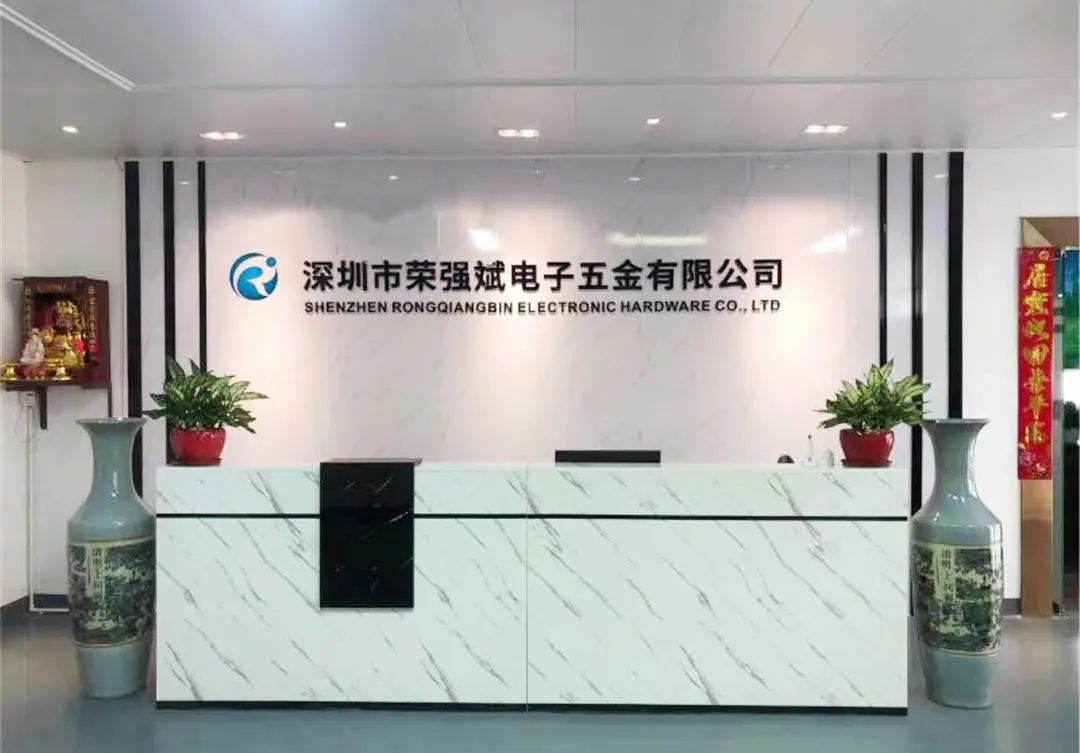
Shenzhen Rongqiangbin Electronic Hardware Co., Ltd. is located in Shenzhen, the leading city of the Guangdong-Hong Kong-Macao Greater Bay Area. Our company was founded in February 2011 in Songgang Street, Shenzhen, specializing in the development and manufacturing of Pogopin connectors. After years of dedicated effort and technical accumulation, the company has become a recognized leader in the industry.
Our core philosophy centers on a strong POGO PIN industry technology production team and long-term partnership cultivation. Backed by our ISO9001:2015 registration, we enforce robust quality protocols and implement advanced environmental management metrics to satisfy demanding global parameters.
"Committed to being an excellent POGO PIN manufacturer for both quality and cost on home and abroad, and leading connector technology development."

As micro-electronic products evolve to become thinner, faster, and more robust, the technology within spring-loaded connectors changes concurrently.
Modern wireless networks require stable gigahertz signal structures. Adapting pogo pins into coaxial housings allows low insertion loss for GPS, 5G, and Wi-Fi 6 antenna connections.
Outdoor wearables require absolute liquid protection. Advancements in hypoallergenic materials and noble metal platings prevent electrolysis erosion when the pins contact human sweat during charging states.
As board layouts compress, spacing values drop below 0.4mm pitch. Micro-pins require laser processing and micro-machining to align component tolerances down to micron-level thresholds.
Get professional answers from our engineering team regarding specifications, integration methods, and factory customization.
A: Plungers and barrels are usually machined from brass or copper alloys for high electrical conductivity. The spring is made of stainless steel (SUS) for fatigue resistance, music wire for high elasticity, or beryllium copper (BeCu) for lower resistance and higher mechanical life.
A: Gold offers outstanding electrical conductivity and chemical corrosion resistance. Thin gold layers wear down rapidly over docking cycles, exposing the nickel underlayer which oxidizes. High-wear applications or wearable gadgets typically demand gold thicknesses from 10u" to 50u".
A: High current (above 2A-3A) can damage standard internal springs due to overheating. High-current configurations utilize a ball-point insertion or biased-cut plunger, pushing the plunger against the barrel wall to route current directly through the metal body instead of the resistive spring.
A: Yes. Pogo pins can achieve IPX7 or IPX8 waterproofing rating by applying high-precision insert molding (overmolding) with silicone resins, or utilizing external O-rings to prevent dust and moisture leakage into the internal casing cavity.
A: Avoid applying force to the plunger tip during automated pickup. SMT nozzles should target the top surface of the carrier tape or use specialized cap designs. Ensure PCB pads match alignment pins to avoid lateral friction or bending moments.
A: Thanks to our complete CNC and tool design shop in Shenzhen, prototype samples can be completed in 5 to 7 working days. Once approved, mass production tooling and assembly take between 2 to 3 weeks depending on the order volume.
A: Absolutely. Most SMT/SMD pogo pins are supplied in carrier tape and reel packaging matching international standard EIA-481 requirements, allowing pick-and-place placement on high-speed SMT assembly lines.
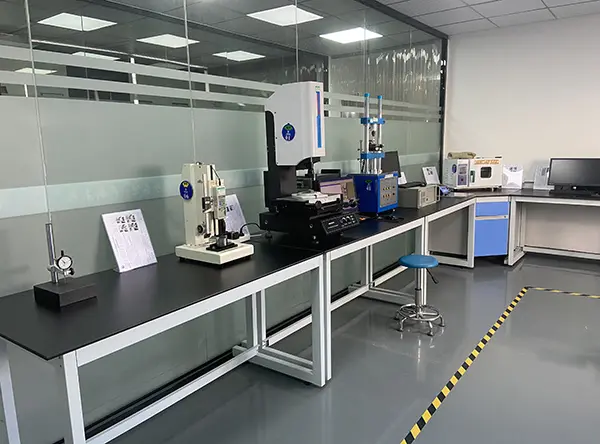
A: We enforce a 100% electronic parameter test and visual CCD inspection system to check critical dimensions, flatness, assembly alignment, and spring-force variables prior to batch shipment. Every production lot is traceable via automated reporting.
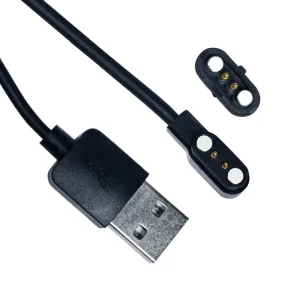
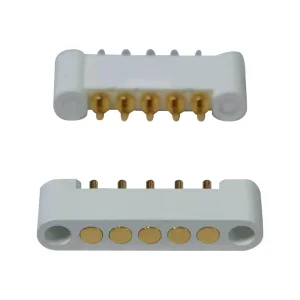
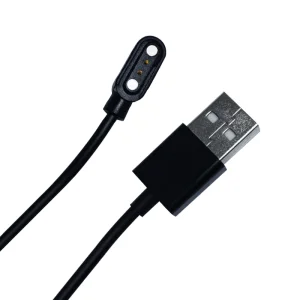
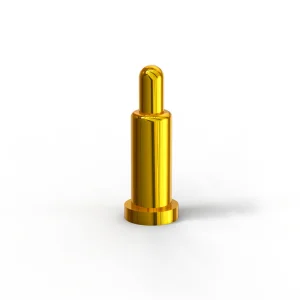
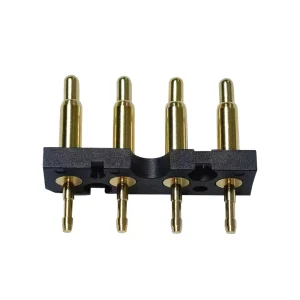
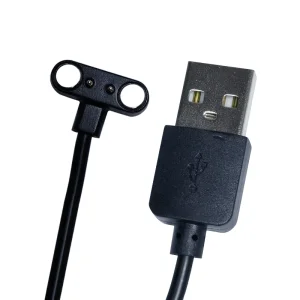
From single-pin spring contacts to magnetic charging cables, discover our complete range of high-reliability connector systems.
 Rongqiangbin Electronic