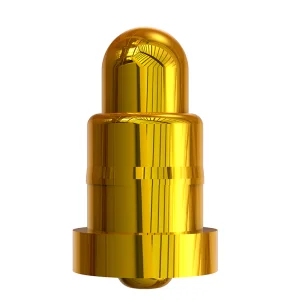
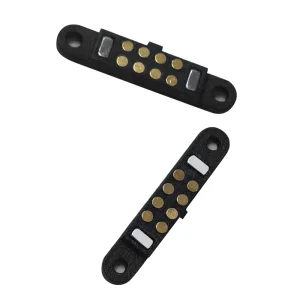
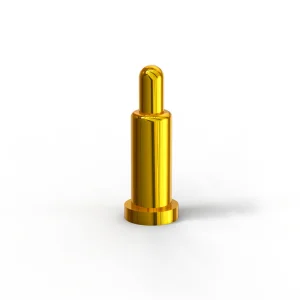
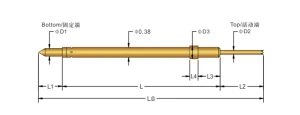
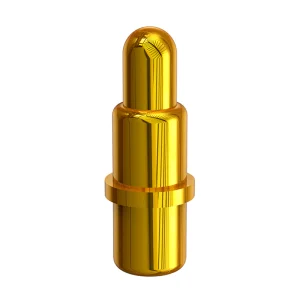
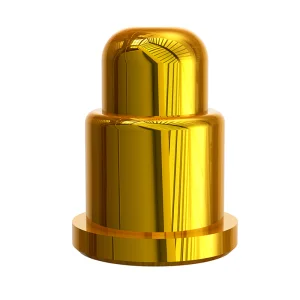
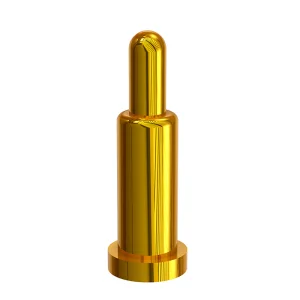
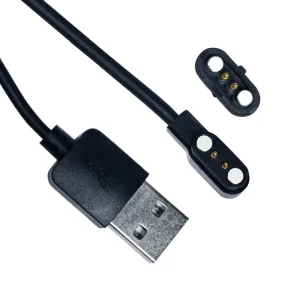
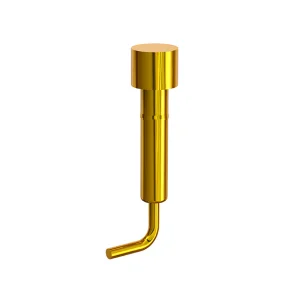
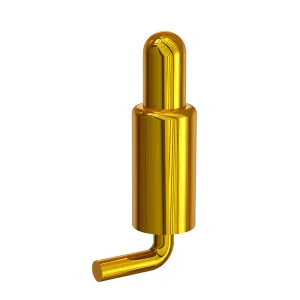
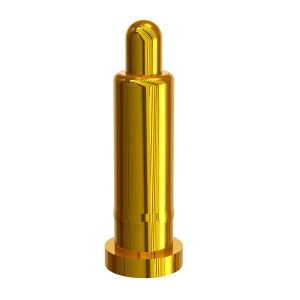
Explore our top-tier precision spring-loaded contacts and charging connectors engineered for smart wearable architecture and robust industrial applications.
In the rapidly changing consumer electronics and wearable technology space, the demand for highly reliable, miniaturized, and waterproof interconnect systems has escalated to unprecedented levels. The "Opuswatch Connector" standard represents a pinnacle of structural design, optimized specifically to meet the strict physical and electrical requirements of premium smart wearable devices, medical telemetry, and sports performance trackers. As OEM manufacturers design devices with slimmer profiles and larger batteries, standard Micro-USB or USB Type-C sockets are no longer viable due to their internal volume footprint and limited liquid ingress sealing.
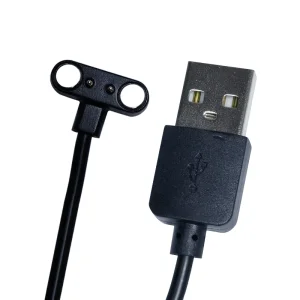
Pogo pin-based interfaces, specifically customized magnetic Opuswatch configurations, present the definitive answer to these challenges. By decoupling the mechanical retention force from the electrical contact stability, pogo pin connectors use spring-loaded plungers that make vertical contact with mating pads. This eliminates wear and tear associated with slide-in contacts, reduces footprint to less than 2.0 mm² per contact, and easily yields an ingress protection rating of IP67 or IP68. The integration of high-grade NdFeB (Neodymium) magnets ensures self-alignment, offering end-users a seamless charging experience while protecting device ports from accidental drop damage.
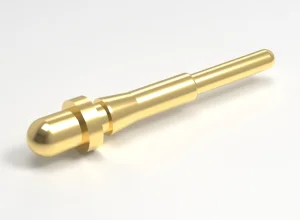
From a structural engineering standpoint, the Opuswatch OEM ecosystem demands extreme structural tolerances. In smartwatch designs, sweat-induced electrolysis is a primary failure mode. When a wearable device resides on a human wrist, moisture, acidic sweat, and charging currents combine to form an ideal environment for galvanic corrosion. Premium OEM factories tackle this through advanced materials engineering: plating plungers and barrels with custom barrier layers (such as Palladium-Nickel or Platinum-Gold combinations) to guarantee consistent contact resistance of less than 30 mΩ even after 50,000 mating cycles.
The global market for smart connector systems is experiencing double-digit compound annual growth (CAGR), driven by the convergence of IoT sensor networks, micro-mobility, and the consumer shift toward health monitoring. Geographically, manufacturing is highly concentrated in technological hubs like Shenzhen, China, where integrated supply chains allow factories to move from design prototypes to mass SMT (Surface Mount Technology) assembly in days rather than months.
As key industrial suppliers, modern OEMs must optimize their manufacturing pipelines for scale, yield rate, and global logistics. Today's commercial applications extend beyond smartwatches. Industry 4.0 relies heavily on handheld data terminals, barcode scanners, and ruggedized communication units. These industrial units utilize similar spring-loaded pogo pin configurations to support docking stations that undergo hundreds of thousands of cycles in high-vibration logistics hubs.
| Application Area | Key Interface Requirement | Standard Configuration | Corrosion Resistance Level |
|---|---|---|---|
| Smart Wearables & Health Bands | IP68 Waterproof, sweat resistance, low height | 2-pin to 4-pin Magnetic Pogo Pin | High (Au / Pd-Ni alloy plating) |
| Industrial Handheld Terminals | High vibration resistance, 100K+ mating cycles | Heavy-duty SMD Pogo Pin | Moderate (Thick Gold plating) |
| Electric Vehicles & Robotics | High Current (Up to 15A per contact) | High-Current Crown Band Pin | High (Silver/Gold plating over brass) |
| Smart Medical Diagnostic Kits | Biocompatibility, medical-grade plastics | Pitch < 1.0mm micro-pogo arrays | Extreme (Hypoallergenic Gold alloy) |
For procurement officers and lead system architects globally, auditing an OEM supplier's technical capability is crucial. The primary bottleneck in supply chains is no longer simple component fabrication, but high-speed automated inspection, precise spring force calibration, and strict environmental testing. Shenzhen Rongqiangbin (RQB) Electronic Hardware Co., Ltd. resolves these challenges by providing fully certified manufacturing structures that assure international compliance and performance continuity.
Pioneering precision Pogo Pin technology from the heart of the Guangdong-Hong Kong-Macao Greater Bay Area since 2011.
Shenzhen Rongqiangbin Electronic Hardware Co., Ltd. is strategically located in Shenzhen, the leading technology hub of the Guangdong-Hong Kong-Macao Greater Bay Area. Founded in February 2011 in Songgang Street, Shenzhen, the company focused from day one on the specialized research, development, and high-volume manufacturing of Pogo Pin connectors and magnetic charging interfaces.
Through more than a decade of technical accumulation, continuous capital investment, and absolute commitment to quality, RQB has emerged as a premier leader in the interconnect components industry. Under the operational ethos of "customer first, integrity first," our company employs a veteran, multi-disciplinary engineering and production team that maintains long-term, stable relationships with several of the world’s top technology brands and Tier-1 hardware integrators.
Our manufacturing facilities conform to the strict ISO9001:2015 International Quality Management System certification. Supported by a robust environmental management framework, we guarantee that all products meet RoHS, REACH, and Halogen-Free requirements, aligning with global consumer safety guidelines.

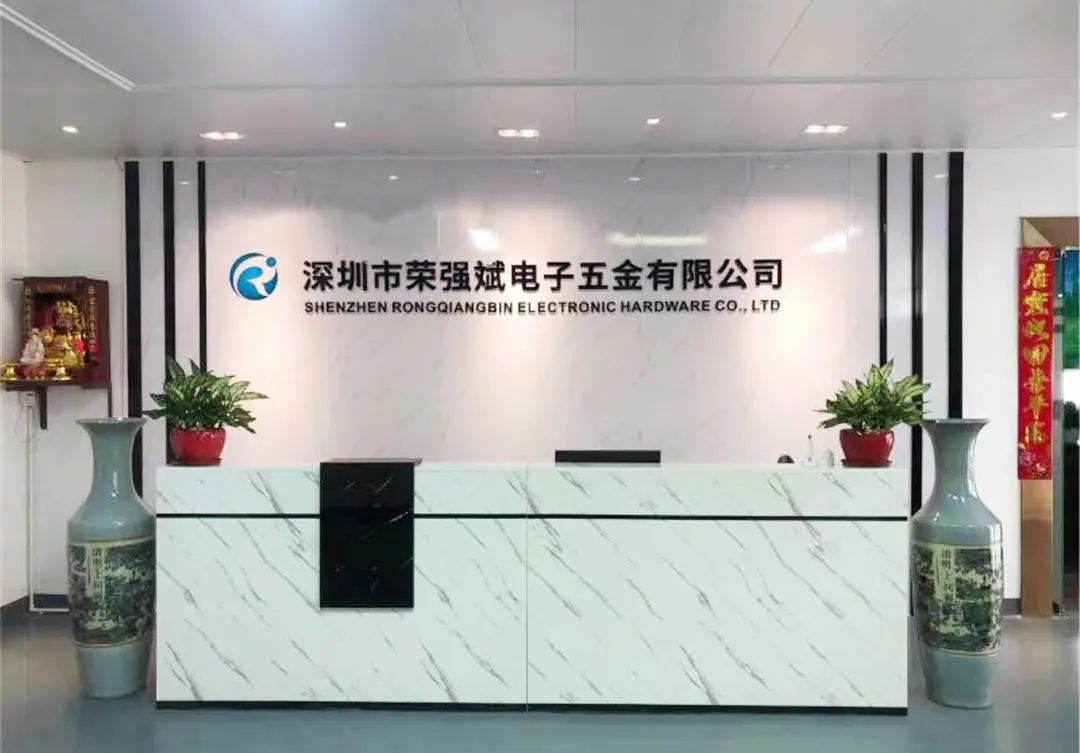

Our engineering excellence, production capacity, and strict quality control standards set us apart as a preferred OEM/ODM partner.
Over a decade of focused development in the Pogo Pin field, serving thousands of global clients and holding hundreds of utility and invention patents.
Certified ISO9001:2015 operations, complemented by advanced verification testing equipment, ensuring absolute dimensional accuracy and chemical safety.
Every single batch undergoes automated optical inspection (AOI), spring force-stroke profiling, and contact impedance measurement before final release.
Equipped with in-house CNC machining and automated assembly, we deliver prototype samples in 3-5 days and scale up to mass production seamlessly.
Offering gold plating, platinum-gold, and custom palladium-nickel alloy barriers to solve corrosion and durability challenges in smart devices.
Trusted supplier to market leaders like Honeywell, Samsung, SIEMENS, ZTE, 360, QCY, HAYLOU, Shanghai Laimu, Luxshare, Aoni, and Amphenol.

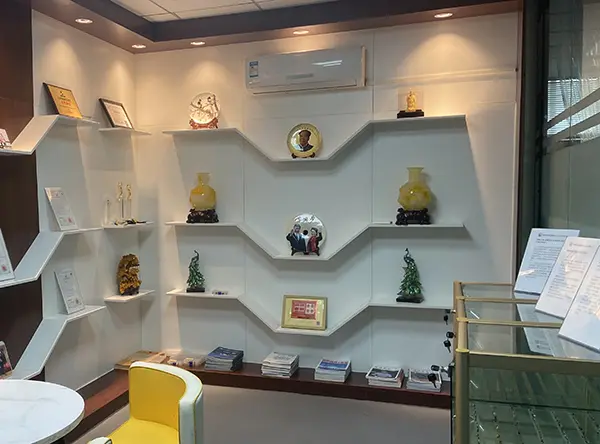
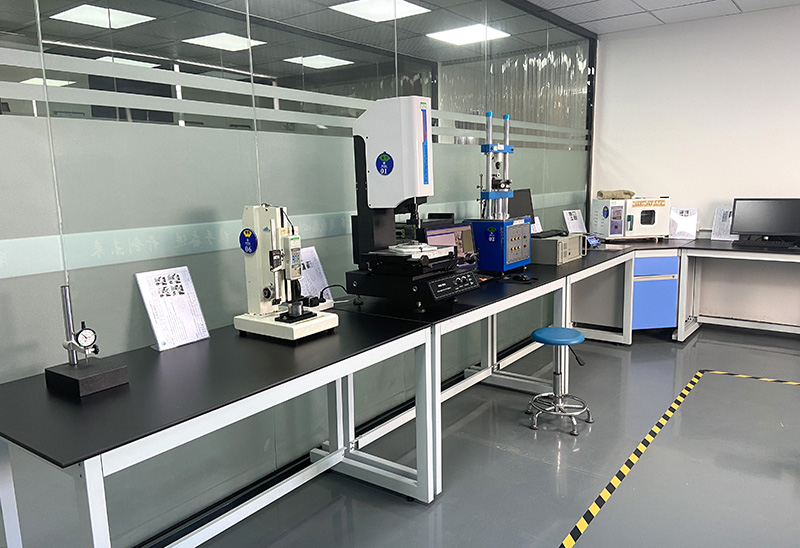

In modern electronic design, adhering to regional environmental and safety regulations is not optional. When shipping products to the European Union, North America, or East Asia, connectors must conform to environmental mandates like RoHS (Restriction of Hazardous Substances) and REACH (Registration, Evaluation, Authorization and Restriction of Chemicals). Standard brass connectors frequently contain trace levels of lead to improve machinability; however, state-of-the-art Pogo Pin manufacturers use high-purity C3604 brass or Lead-Free Eco-Brass, combined with RoHS-compliant beryllium-copper or SUS304 steel plungers and springs.
Shenzhen Rongqiangbin Electronic Hardware Co., Ltd. provides comprehensive engineering documentation for global compliance audits. Every production lot is traceable to its chemical batch certificate, and custom plating processes are tested for hazardous substances under IEC 62321 standards. Additionally, the plastics used for the carrier insulation blocks, such as LCP (Liquid Crystal Polymer) or High-Temperature Nylon, are chosen to withstand lead-free reflow soldering profiles peak temperatures (up to 260°C) without releasing toxic gases or experiencing dimensional deformation.
Furthermore, our localized engineering support ensures that overseas customers receive immediate assistance. Design parameters like spring pre-load force, working travel depth, coplanarity tolerances (kept within +/- 0.05 mm), and magnetic retention forces are optimized collaboratively with client design teams before tooling fabrication. This minimizes the risk of signal dropouts, spring fatigue, or enclosure mismatches in localized assembly plants in the US, Mexico, Germany, or Vietnam.
As consumer smartwatches transition to health monitors capable of continuous blood glucose analysis and electrocardiogram (ECG) capturing, the demands on contact design have multiplied. The traditional 2-pin charger is evolving into multi-channel arrays capable of handling high-speed differential signal transmission alongside power distribution. The future development roadmap of RQB Pogo Pins centers on three distinct fields:
High-Frequency Signal Integrity: Traditional pogo pins show relatively high inductance because of their spiral spring component. RQB's next-generation designs bypass this issue by utilizing internal coaxial shields or custom contact mechanisms (e.g., ball-point or hollow plungers) that ensure direct signal paths between the plunger and barrel, allowing data rates up to 10 Gbps (compatible with USB 3.1 Gen 2 requirements).
Electro-Chemical Wear Protection: In smart wearables, skin contact and exposure to saline fluids cause rapid plating deterioration. We are currently scaling up production of our proprietary multi-layered Platinum-Alloy plating technology. This process provides superior durability compared to standard gold layers, withstanding sweat immersion tests for over 96 hours without demonstrating pin degradation or increase in contact resistance.
Ultra-Miniaturization: For micro-wearables like hearing aids and smart rings, RQB is engineering micro-pogo pins with a diameter of less than 0.5 mm and a total working stroke of 0.3 mm. These ultra-small components are manufactured in temperature-controlled cleanrooms utilizing high-precision Swiss-style CNC lathes to ensure absolute dimensional accuracy.
Get technical insights and professional answers regarding custom OEM Opuswatch connectors and spring-loaded pogo pin configurations.
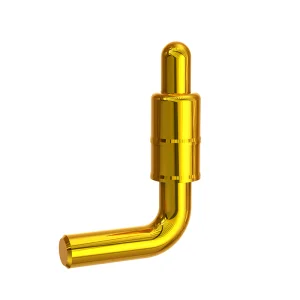
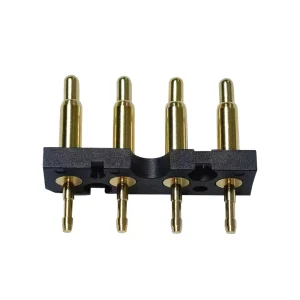
High-precision SMT, DIP, Bending, and Magnetic charging configurations manufactured to custom OEM tolerances.
 Rongqiangbin Electronic