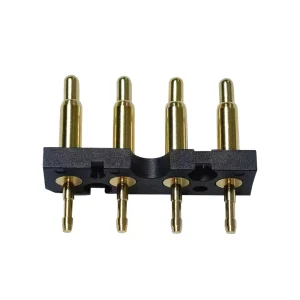
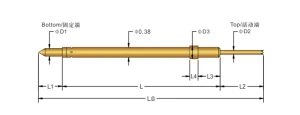
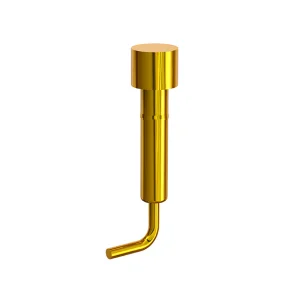
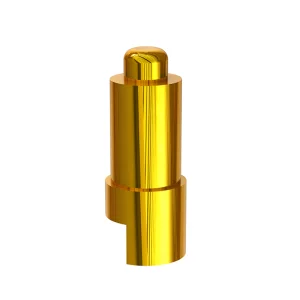
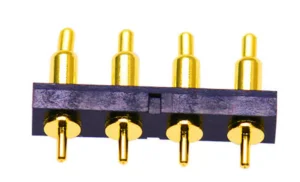
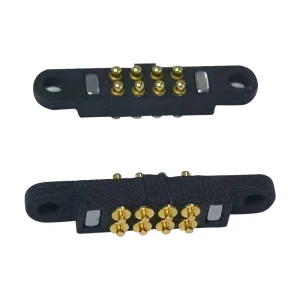
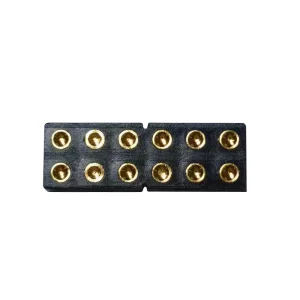
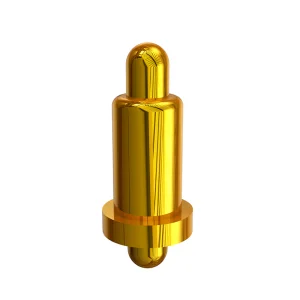
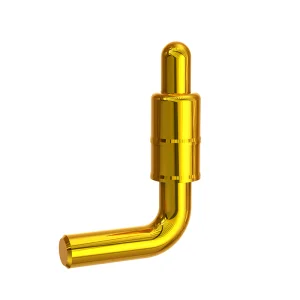
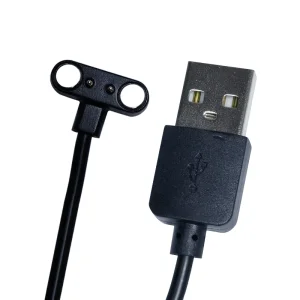
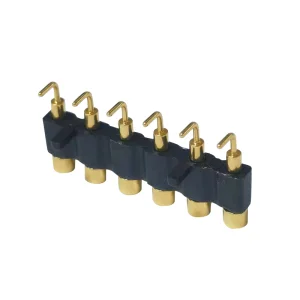
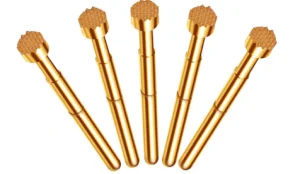
Explore our core components configured to enable high-conductivity electrical connection and rugged mechanical reliability.
An authoritative analysis of mechanical, electrical, and physical parameters governing magnetic charging solutions.
In modern electronics design, physical space is the primary developmental constraint. As consumer wearables, medical monitors, and industrial field instrumentation continue to shrink in scale while increasing feature density, traditional mechanical ports like Micro-USB and USB Type-C present substantial architectural challenges. The structural openings they require introduce vulnerability to moisture ingress, dust accretion, and mechanical wear resulting from repeated insertion cycles.
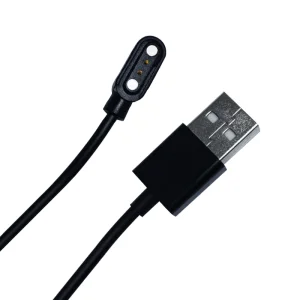
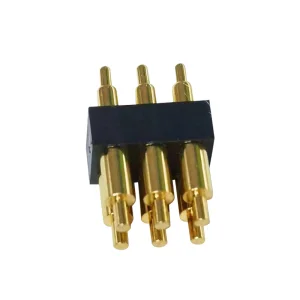
The Two-Pin Magnetic Charger has emerged as the definitive solution. By replacing mechanical friction fit interfaces with magnetic self-alignment coupling and pogo-pin contacts, hardware designers achieve zero-force insertion, hermetic dust-proof and waterproof ratings (IP67/IP68), and a significantly elongated product lifespan. Shenzhen Rongqiangbin Electronic Hardware Co., Ltd. (RQB) manufactures highly customized 2-pin magnetic systems engineered to survive the most rigorous operational envelopes.
Support for currents from 500mA up to 10A continuously with minimized contact resistance (<20 mΩ) preventing thermal buildup.
Configured with flat interface geometries to enable IP67, IP68, and even IP69K sealing ratings across all deployment conditions.
Custom pogo-pin mechanical design allowing for 10,000 to over 1,000,000 cycles without structural spring fatigue.
Located in Shenzhen, the leading city of the Guangdong-Hong Kong-Macao Greater Bay Area, our company was founded in February 2011 in Songgang Street, Shenzhen. We specialize in the end-to-end development, engineering, and manufacturing of high-performance Pogopin connectors.
After years of deep engineering effort and systematic refinement, the company has grown into a recognized leader in the connector technology space. RQB's core organizational spirit revolves around "customer first, integrity first." Armed with a robust technical production team, we have forged long-term, high-trust cooperative relationships with major global brands.
"Our Vision: Committed to be excellent POGO PIN manufacturers for both quality and cost at home and abroad, and leading connector technology development."
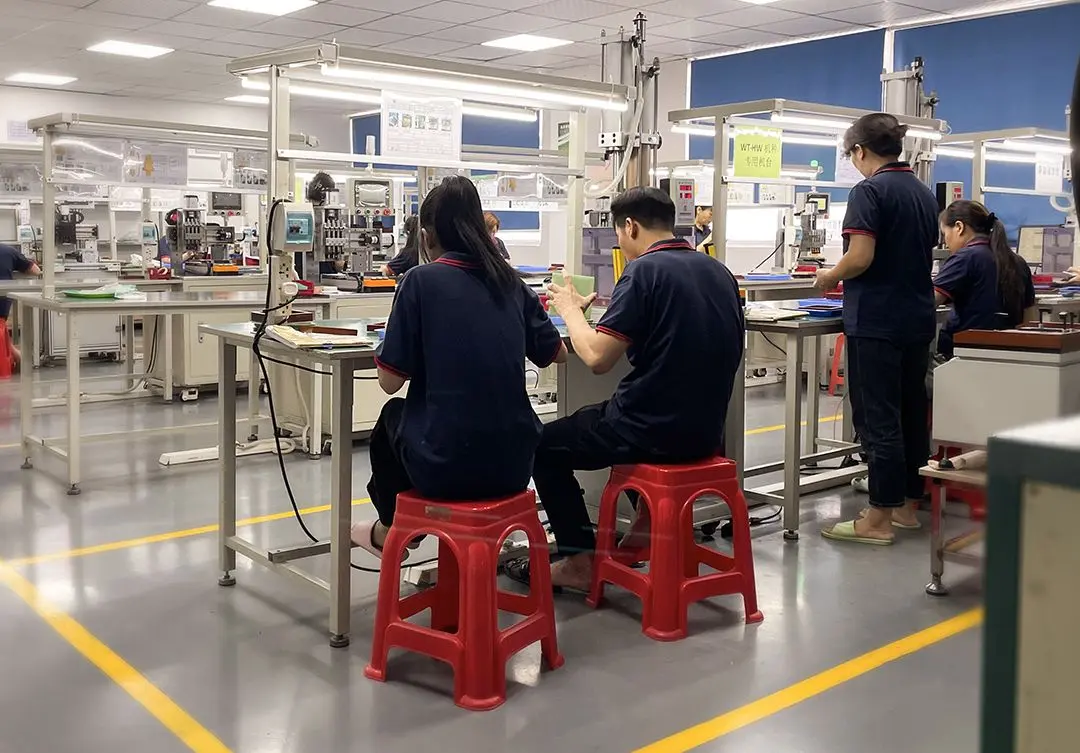
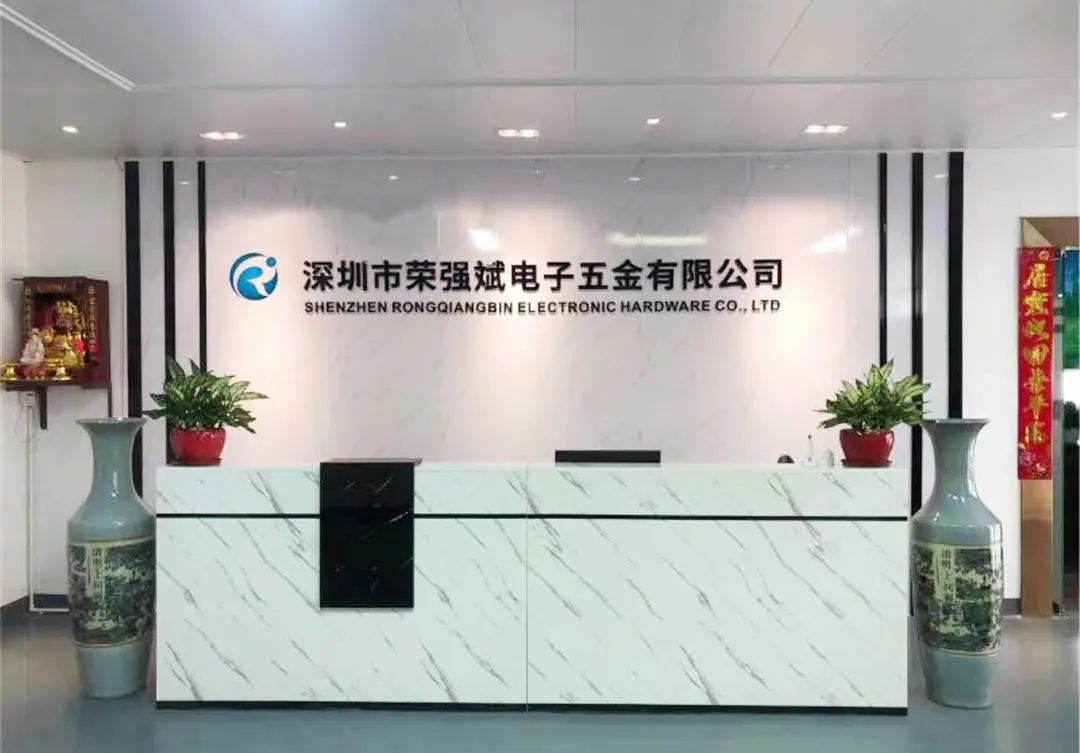
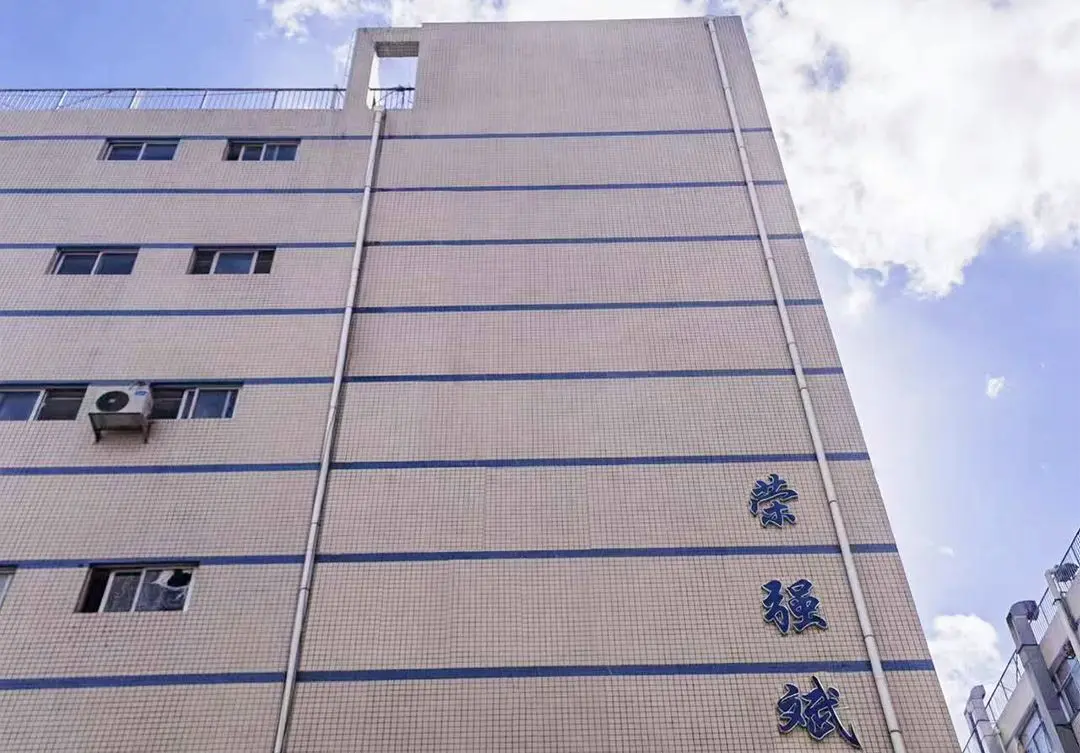
Partnering with RQB means accessing tier-1 engineering, quality compliance, and global delivery systems.
Equipped with micro-resistance testers, salt spray testing equipment, X-ray plating thickness analyzers, and life cycle force curve testers.
ISO9001:2015 version international authoritative quality management system certification, and comprehensive environmental protection policy compliance.
Trusted supplier to market leaders including Honeywell, Samsung, SIEMENS AG, ZTE, 360, QCY, HAYLOU, Shanghai Laimu, Luxshare Group, Aoni Electronics, and Amphenol Group.
Comprehensive technical FAE teams providing responsive modifications, manufacturing scale-ups, and post-sales logistical and technical support.
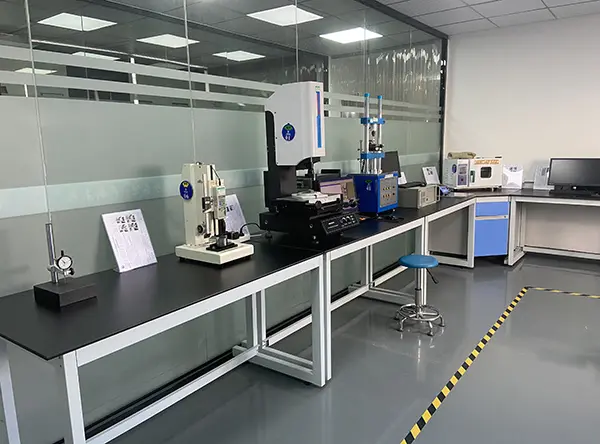
The global demand for reliable power-only or smart-charging 2-Pin interfaces is driven by four cross-industry micro-trends:
In fields like clinical medical monitoring and outdoor environmental instrumentation, device exposure to liquids, organic matter, and industrial cleaning solvents is constant. Traditional friction-fit ports feature internal cavities that trap dirt, moisture, and chemical residues, leading to contact erosion and short circuits. By contrast, a magnetic 2-pin connector uses a solid-state surface configuration. Pogo pins and mating target contacts reside flush or near-flush on the enclosure surface. Magnetic coupling seals the surface interface, ensuring robust ingress protection against continuous immersion in water and high-pressure steam cleaning.
Consumer devices such as smart rings, TWS earbuds, smartwatches, and biometric patches have minimal physical volume. Standard USB interfaces demand internal clearance that restricts battery capacity and logic board layout. Two-pin configurations require a tiny footprint, with components that can be customized to pitch levels as narrow as 1.5mm. This enables hardware engineers to reclaim layout space, shifting physical geometry allocations toward larger batteries or secondary sensors.
Magnetic alignment systems utilize opposite polarities (North-South) to auto-locate target contacts. When a user brings the cable connector close to the device chassis, magnetic force draws the interface together and centers the contacts. This zero-force connection prevents mechanical shock or leverage damages to internal PCBs, which is a frequent cause of warranty claims for plug-in style charging sockets.
Key technical parameters that engineering and procurement teams must specify to ensure connector reliability.
When sourcing OEM two-pin magnetic charging systems, professional buyers look beyond simple physical dimensional constraints. At RQB, we collaborate with engineering teams to optimize five critical mechanical and materials-science specifications:
How RQB transforms industrial requirements into physical product portfolios.
We perform 3D mechanical modeling, electromagnetic analysis, and initial pogo pin tolerance mapping.
We source NdFeB (Neodymium) magnets, specific brass rod alloys, and premium plastic resins.
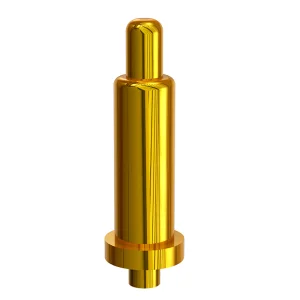
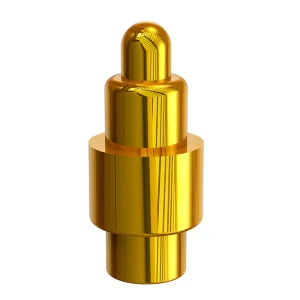
Automatic high-speed precision lathe machining produces custom plungers and barrels down to micron tolerances.
Every batch undergoes force-stroke curves, salt spray, life-cycle, and automated optical inspections.
Tailoring electrical contacts and magnet shapes to specific market verticals.
Non-magnetic magnetic solutions (using high-grade biocompatible casings) that prevent magnetic field distortion in clinical sensors while supporting fast cleaning protocols.
Micro-pitch 2-pin cables with integrated current limiting circuits to protect sensitive smartwatch lithium-ion batteries from electrical overstress.
Vibration-proof pogo-pin dock structures capable of maintaining consistent electrical conductivity under high kinetic shocks.
Exploring advancements in materials science and magnetic architectures for high-speed connectivity.
As charging technology shifts toward faster protocols, 2-Pin systems must adapt to handle higher currents. RQB's engineering division is actively researching and deploying updates across three main fronts:
Standard pogo-pin designs are limited by the physical diameter of the internal spring. We are developing split-plunger configurations that utilize secondary conductive paths to safely carry up to 15A of continuous current through a compact 2-pin interface, preventing thermal breakdown.
By optimizing the physical geometry of the plunger head (e.g., using sharp or crown-like tip geometries), we design pogo pins that clean minor dust and oxide layers with each compression cycle, ensuring long-term low contact resistance.
Committed to RoHS and REACH initiatives, our next-generation magnetic housings utilize high-temperature, bio-sourced plastic resins. These materials can withstand lead-free reflow soldering temperatures while reducing environmental impact.
Answers to key engineering questions regarding pogo pin and magnetic charger configurations.
Galvanic corrosion is mitigated by custom plating. Standard formulations use a nickel diffusion barrier and gold plating. For sweat and saltwater exposure (common in outdoor and wearable devices), we apply palladium-nickel (Pd-Ni) or rhodium-ruthenium plating layers over the brass base, preventing corrosive breakdown during active battery charging.
For consumer electronics like smartwatches and TWS headsets, magnetic force typically ranges from 1.5N to 4N (approximately 150g to 400g) to ensure easy removal. For industrial machinery or automotive diagnostic ports, retention force can be scaled up to 10N to 25N using stronger N52 Neodymium configurations to prevent vibration-induced disconnects.
A 2-pin interface is optimized for DC power transmission (VCC and GND). If high-frequency data (like USB 2.0 or USB 3.0 protocols) is required, we recommend configuring a 4-pin or 5-pin magnetic system. This allows for dedicated power, ground, and shielded differential data lines (D+/D-) to maintain clean signal integrity.
We use specialized mechanical testing rigs that continuously compress and decompress the pogo pins at set stroke rates. Our standard lines are rated for a minimum of 10,000 cycles, while our premium medical and industrial lines are designed and tested to withstand up to 1,000,000 compression cycles without physical fatigue or loss of contact pressure.
Explore our specialized components, manufactured to international quality standards for global OEM applications.
 Rongqiangbin Electronic