Engineered for robust electrical performance, high durability, and reliable signal integrity in harsh environments.
Analyzing how the Danish industrial sector leverages Thru-Hole (DIP) connectivity for mechanical longevity.
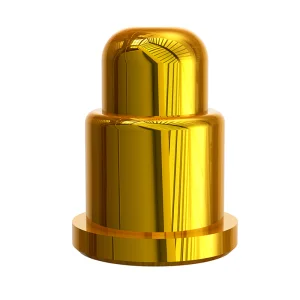
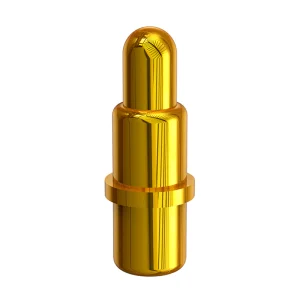
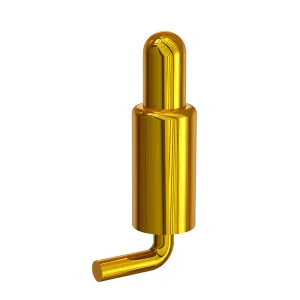
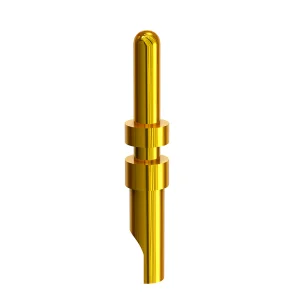
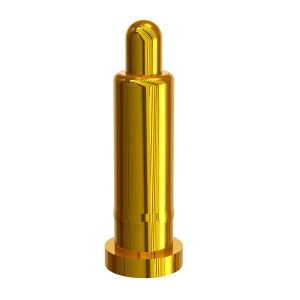
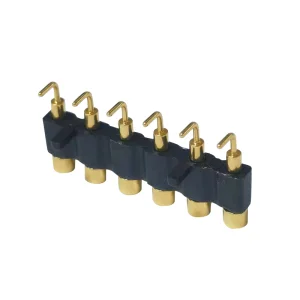
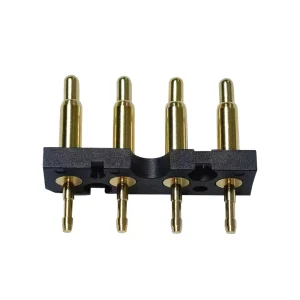
Offshore wind systems and marine instruments in coastal Denmark face extreme environmental stress. DIP (Dual In-line Package) pogo pins provide physical anchoring inside PCBs that outlasts surface-mount designs under severe vibrations.
Denmark is world-renowned for hearing aids and clinical devices. Our gold-plated pogo pins ensure biocompatibility, low contact resistance, and flawless performance through tens of thousands of cycles in compact medical chassis.
With automated production lines demanding high cycles, custom spring contacts must handle mechanical fatigue. Shenzhen Rongqiangbin's proprietary internal structures minimize wear and maximize electrical life.
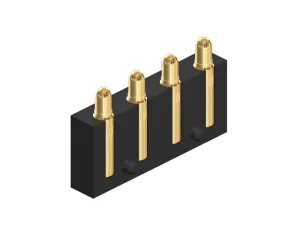
In high-reliability electronics, the method of mounting connectors to the printed circuit board (PCB) determines the durability of the assembly. While SMT (Surface Mount Technology) is ideal for space-constrained and low-profile systems, DIP (Through-Hole Package) Pogo Pins are chosen for applications requiring extreme shear resistance, mechanical load-bearing capability, and long-term durability.
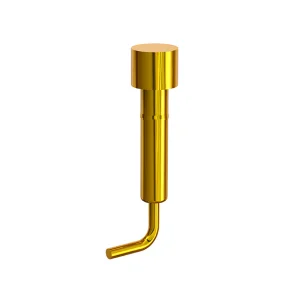
Through-hole pins penetrate the PCB substrate and are soldered directly into the plated through-holes (PTH). This configuration shifts mechanical stress away from the solder joints onto the fiberglass substrate itself. For Danish wind turbines, subsea sensors, and industrial automation tools, this prevention of solder joint fracturing is critical to minimizing downtime.
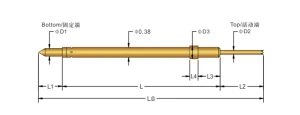
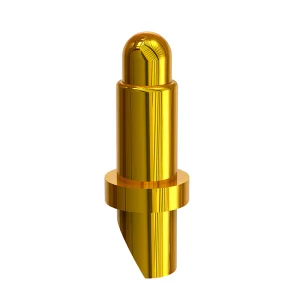
Every spring-loaded contact consists of three main parts, each engineered for longevity:
Shenzhen Rongqiangbin Electronic Hardware Co., Ltd. (RQB) provides the perfect combination of scale, speed, and precision for the Danish electronic hardware market. Operating from Shenzhen, the hardware capital of the world, RQB bridges the gap between fast prototyping and massive cost efficiencies.
Established in February 2011, RQB has expanded from a local workshop into an international manufacturer of high-precision connector products. The core manufacturing facility leverages advanced high-speed automatic Swiss lathes, precise CNC machining centers, and custom-designed automatic assembly lines.
Quality is at the core of our business. We operate under the ISO9001:2015 international quality management system, implementing strict inspection checkpoints at every step of production. Our test laboratory is equipped with advanced systems, including:
Learn about our production facilities, testing laboratories, and corporate vision.
"Committed to be an excellent POGO PIN manufacturer for both quality and cost at home and abroad, and leading connector technology development."
Guided by our founding principle of "customer first, integrity first," we have built an experienced engineering team. We prioritize technical collaboration, working closely with clients from initial concept through design simulation and mass production.
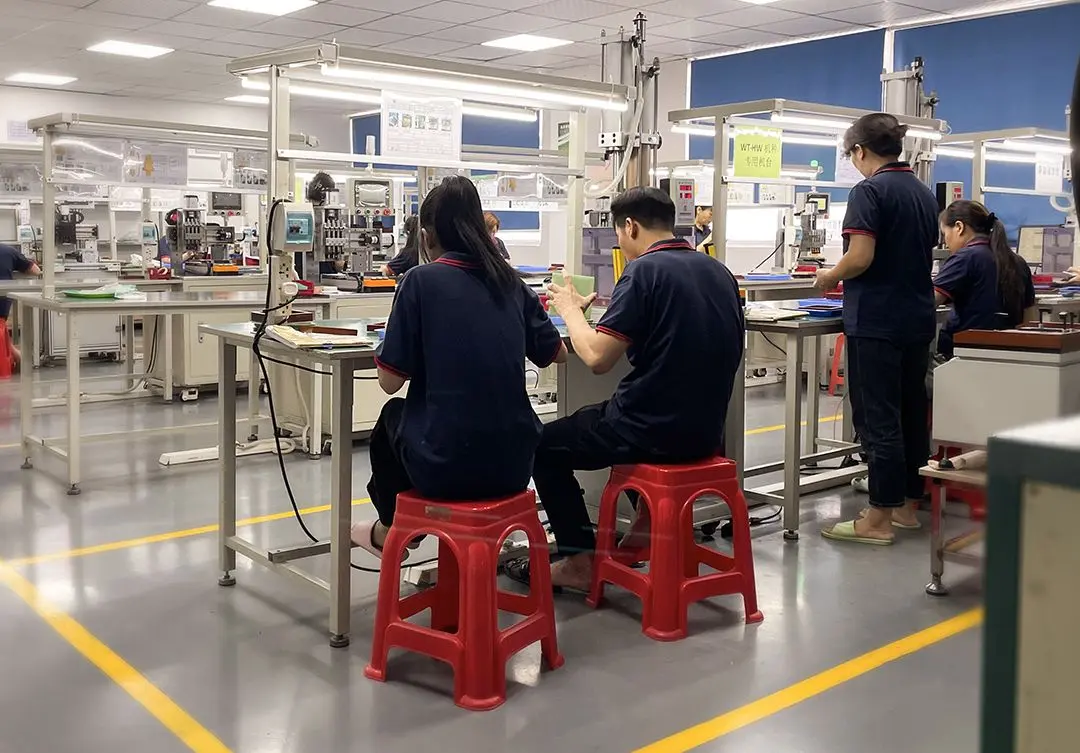
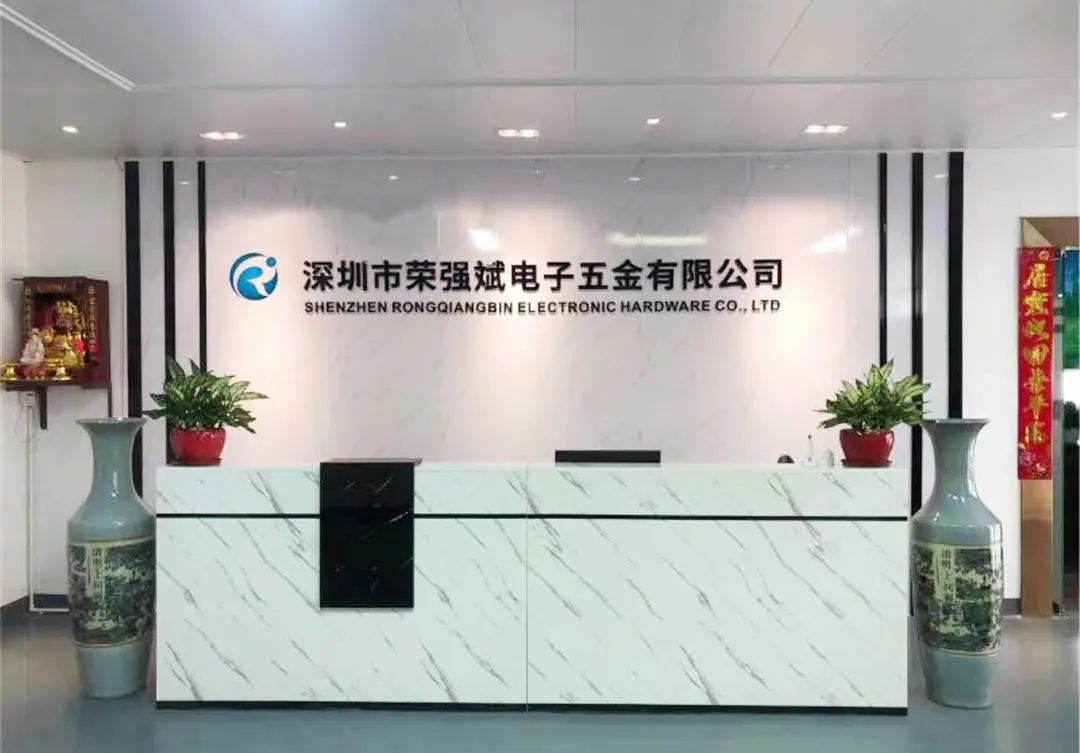
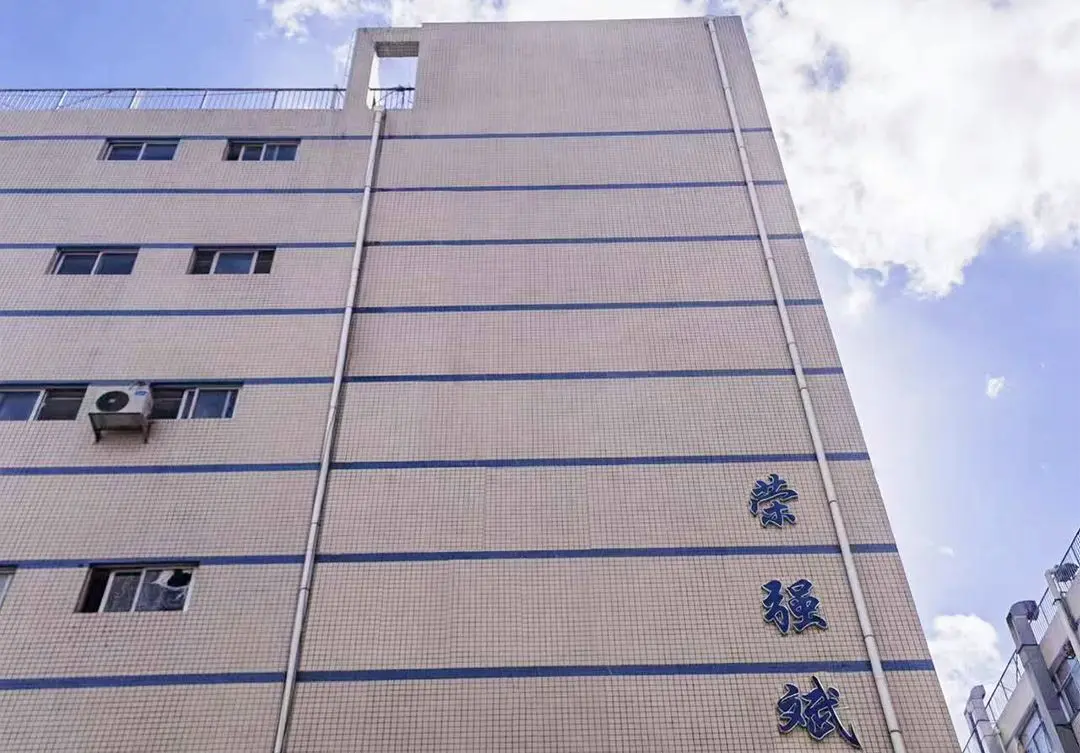
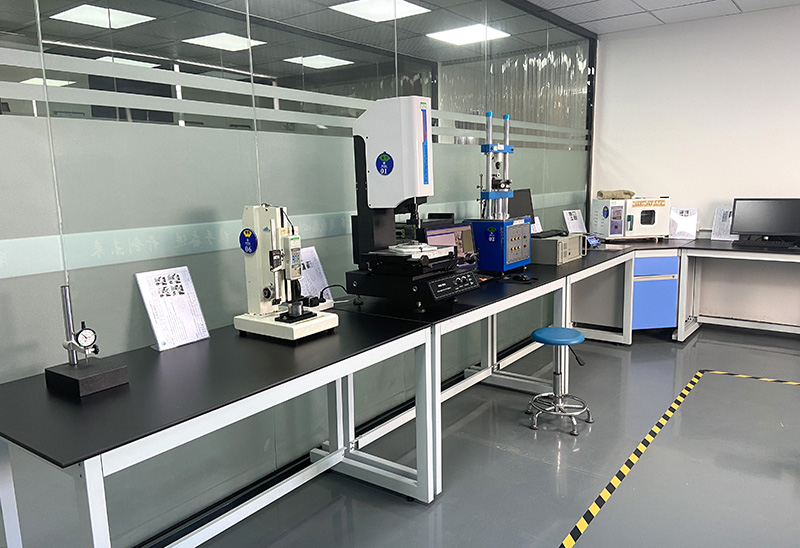
 RONGQIANGBIN
As electronic systems grow more compact while operating in demanding environments, engineers face challenges with signal dropouts, corrosion, and contact wear. Here is how our engineering team solves these issues:
Equipment deployed along Denmark's coastlines is susceptible to salt-air corrosion. Standard flash gold plating can degrade quickly, leading to galvanic oxidation. We solve this by applying thicker, hard gold plating (up to 30 micro-inches) over a dense sulfamate nickel barrier. This reduces porosity and keeps contact resistance below 30 milliohms over the long term.
Modern IoT and sensing systems require connectors that handle power and high-speed signal lines simultaneously. Combining a solid power delivery contact with a spring-loaded data line requires precise design. We utilize advanced 3D FEA (Finite Element Analysis) simulations to design the internal spring structures, preventing signal degradation at high frequencies.
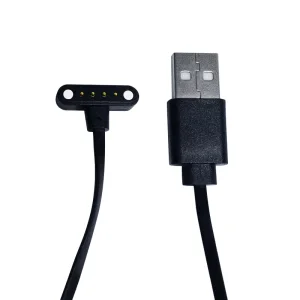
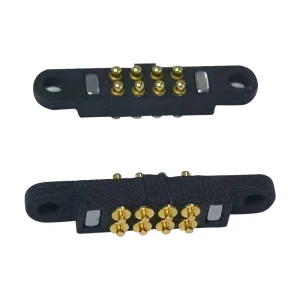
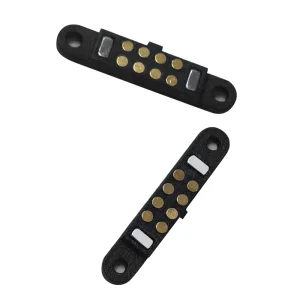
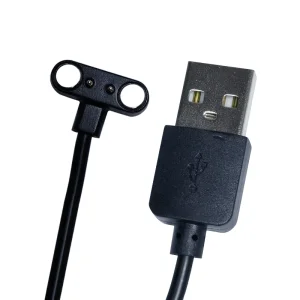
For consumer portables and medical charging docks, blind mating is critical. We specialize in designing and manufacturing integrated magnetic pogo pin connectors, allowing cables to align and snap into position automatically while ensuring a secure connection.
Optimized for high-performance applications in Danish and global engineering sectors.
Crucial answers for hardware engineers, electronics designers, and sourcing managers.
DIP (Through-Hole) pogo pins pass through the PCB and are soldered inside the plated through-holes. This configuration provides significantly higher resistance to lateral forces, making them ideal for heavy mating-cycle devices, docking stations, and industrial machinery where SMT pads could lift or shear off the PCB surface.
We use high-purity brass and beryllium copper alloys as the base metal, finished with thick gold plating (from 3u" up to 30u") over a nickel barrier layer. Our materials undergo salt spray testing up to 96 hours to ensure resistance to saline corrosion and moisture, meeting Northern European marine and subsea standards.
Depending on the internal design (e.g., standard plungers, back-drill plungers, or bias-cut designs), our pogo pins are rated for 10,000 to over 1,000,000 compression cycles. We run automated mechanical endurance testing to ensure spring fatigue is kept within tight specifications.
Yes, we provide end-to-end ODM and OEM design for magnetic charging interfaces. This includes customizing the contact configuration, magnetic force, plastic housing shape, and supplying the matching cable assembly for an integrated solution.
Yes. All materials used in our products comply with RoHS, REACH, and other environmental regulations. This is critical for European Union imports, and we supply full compliance reports upon request.
For standard off-the-shelf components, shipment can be arranged within days. For custom designs, prototyping typically takes 7-10 days, with mass production taking 2-3 weeks depending on the order volume. Shipping is handled via reliable air express (DHL, FedEx, UPS) to Denmark within 4-7 business days.
We use a bias-cut plunger design where the bottom of the plunger is cut at an angle. This forces the plunger to maintain contact with the inside wall of the barrel during compression, preventing momentary signal drops caused by vibration.
We offer high-current designs that handle up to 15A or more per pin. This is achieved by utilizing ball-point plungers, internal copper sleeves, or specialized internal structures to bypass the spring, preventing high heat and spring failure.
 Rongqiangbin Electronic