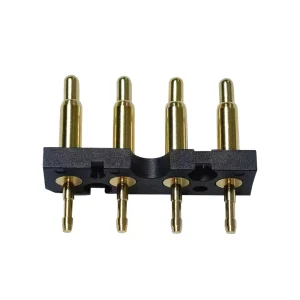
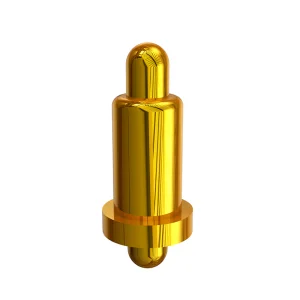
Engineered for extreme reliability, signal integrity, and micro-precision contact in critical electronic validation systems.
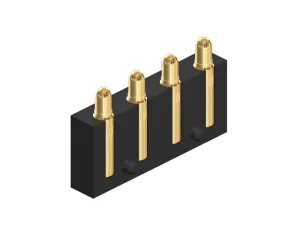
Fueling innovation across automotive electronics, clean energy, space tech, and industrial automation.
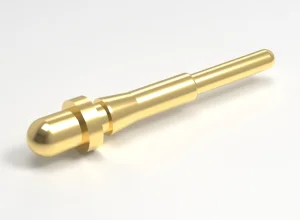
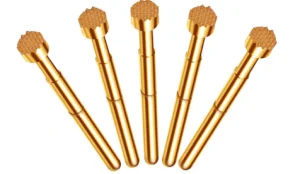
Luxembourg, renowned as a premier financial hub, is rapidly transforming into a highly specialized technology, automotive, and space systems manufacturing center. Key sectors within the Grand Duchy—such as advanced mobility electronics (including active safety sensor systems, radar sensors, and ADAS components), aerospace instrumentation, and high-frequency communication protocols—require uncompromising standards in precision signal verification. High-frequency testing needles (often referred to as RF test probes or high-speed coax needles) are crucial components for validating PCBs, microprocessors, and high-speed electrical connectors during production and engineering validation.
As the European Union moves toward higher compliance regulations (e.g., REACH, RoHS) and strict standards regarding signal shielding, the local engineering firms and contract manufacturers in Luxembourg demand highly customizable probe suppliers. Shenzhen Rongqiangbin Electronic Hardware Co., Ltd. addresses this requirement by providing high-frequency testing needles designed to operate under intensive mechanical conditions while maintaining minimal insertion loss (S21) and excellent return loss (S11) matching up to 80 GHz.
Discover how advanced metallurgy, precise mechanical tolerances, and optimized signal transmission reduce contact impedance at gigahertz levels.
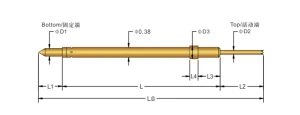
At high frequencies, any impedance mismatch acts as a signal reflector, leading to data degradation. Our high-frequency testing needles are designed with precise coaxial structural configurations. By managing the ratio between the inner spring probe's diameter and the outer shielding tube's inner diameter, we maintain a stable 50Ω or 75Ω impedance throughout the signal path, allowing for clean signal transmission without frequency spikes.
For industrial applications in Luxembourg, probe life cycles and contact resistance are paramount. We utilize high-purity Beryllium Copper (BeCu) or Palladium Alloy (Pd) for probe tips, combined with a robust nickel base and thick gold plating (> 0.5 microns). This prevents galvanic corrosion and ensures resistance values remain below 50 mΩ even after one million cycles under high temperature testing conditions.
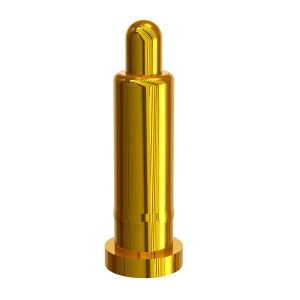
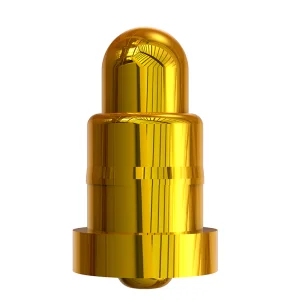
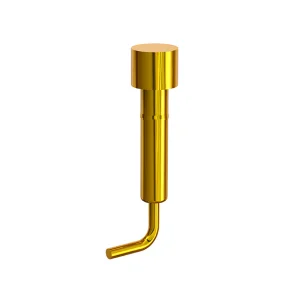
Modern PCBs and micro-semiconductor packaging require probe pitches down to 0.15 mm. Our ultra-fine pitch pogo pins and spring contacts utilize proprietary micro-machining technologies. Our internal spring design (featuring bias-ball or tilt-plunger mechanisms) ensures stable mechanical contact force even at miniature sizes, eliminating testing errors caused by tilt or signal fluctuation.
| Parameter Category | Standard Performance Specification | Ultra-High Frequency Performance | Applicability (Luxembourg Sectors) |
|---|---|---|---|
| Frequency Range | DC to 6 GHz | 12 GHz to 80 GHz | ADAS Radar, 5G Base station validation, Satellite RF Modules |
| Contact Resistance | < 50 mΩ | < 30 mΩ | Automotive battery management systems, power electronics |
| Rated Travel | 1.5 mm to 4.2 mm | 0.5 mm to 1.5 mm | Fine-pitch multi-layer board test fixtures |
| Spring Force | 1.0 oz to 4.5 oz | 0.5 oz to 2.0 oz | Delicate semiconductor substrates, IC packaging testing |
| Insertion Loss (S21) | < -1.0 dB @ 3GHz | < -1.5 dB @ 40GHz | High-speed serializer/deserializer (SerDes) link evaluation |
Aligning OEM requirements with advanced Chinese manufacturing and European compliance.
Electronics manufacturing services (EMS) providers and Tier-1 automotive component developers in Luxembourg require highly integrated supply chains. Sourcing test probes from Shenzhen Rongqiangbin offers critical advantages:
Tailoring high-frequency contact technologies to specific regional requirements.
Providing high-frequency testing needles for validating sensor arrays, automotive radar transceivers (77 GHz), and high-voltage BMS systems. Features extreme thermal resilience up to 150°C and mechanical stability for automated testing lines.
Supporting Luxembourg's space sector with non-magnetic, ultra-reliable RF connectors and spring contacts. Perfect for testing satellite telemetry units, telemetry transmitters, and high-frequency microwave instrumentation boards.
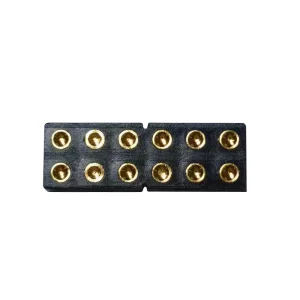
Providing customized pogo pin blocks and spring-loaded interfaces for industrial automation, robotics, and smart sensors. Engineered to withstand high vibration and cyclic testing environments.
A leading manufacturer of high-precision connector components and test probes since 2011.
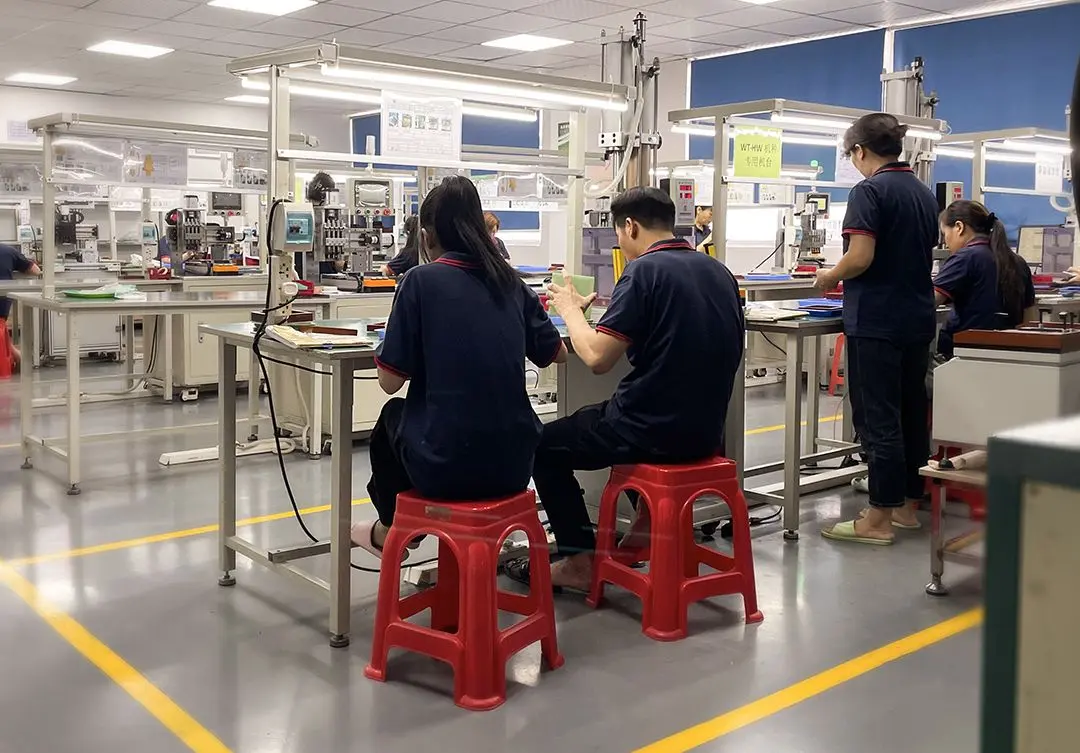
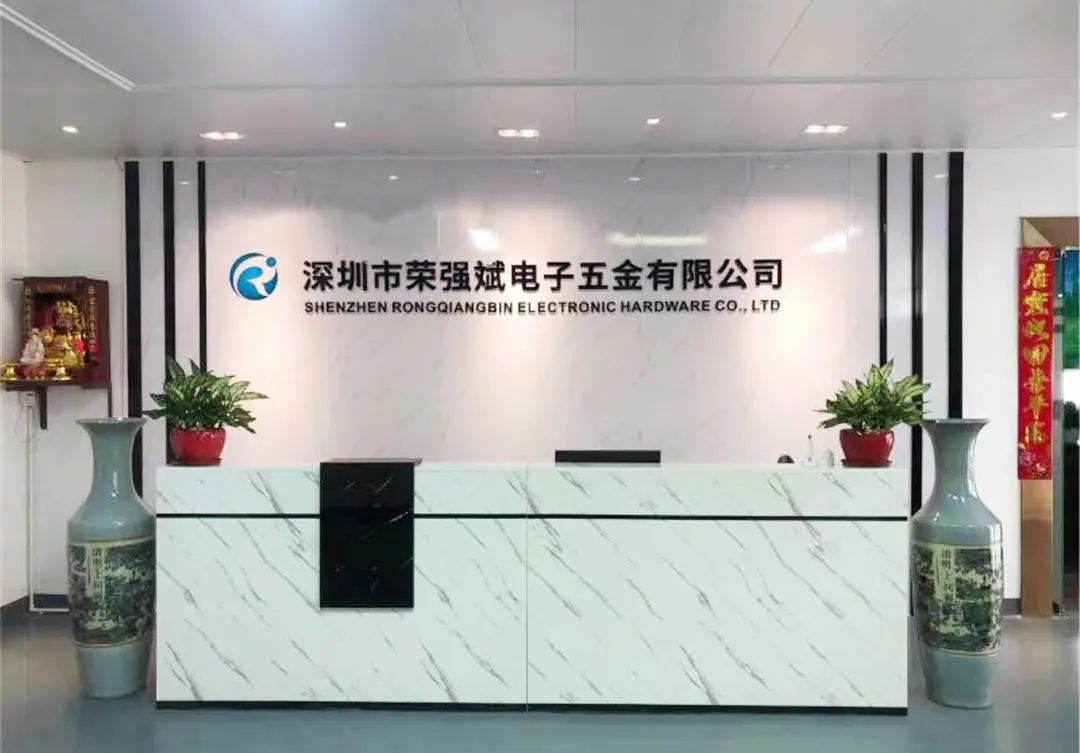
Established in February 2011 in Songgang Street, Shenzhen—within the Guangdong-Hong Kong-Macao Greater Bay Area—Shenzhen Rongqiangbin Electronic Hardware Co., Ltd. specializes in developing and manufacturing Pogo Pin connectors and high-frequency testing components. Through years of industry dedication, the company has established itself as an innovative developer of high-precision test solutions.
Guided by our founding principle of "customer first, integrity first," our experienced engineering team collaborates closely with global partners. We operate under a certified ISO 9001:2015 Quality Management System and maintain environmental management compliance to ensure all products meet strict international standards.
Our component solutions are trusted by leading global electronics and engineering brands, including Honeywell, Samsung, SIEMENS AG, ZTE, 360, QCY, HAYLOU, Shanghai Laimu, Luxshare Group, Aoni Electronics, and the Amphenol Group.

To be an excellent POGO PIN and test probe manufacturer globally, delivering high quality, optimal cost structures, and leading-edge connector technologies to advanced industries.

Anticipating requirements for next-generation silicon substrates and mmWave packaging designs.
As microelectronics shift toward chiplet design architectures, high-performance computing (HPC), and 6G experimental telemetry, testing requirements are changing rapidly. High-frequency testing needles must accommodate:
Technical explanations for engineers, procurement officers, and quality assurance specialists.
High-quality components manufactured to precise dimensions for automotive, consumer electronics, and industrial systems.
 Rongqiangbin Electronic