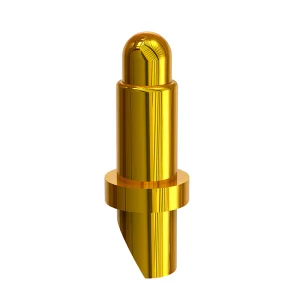
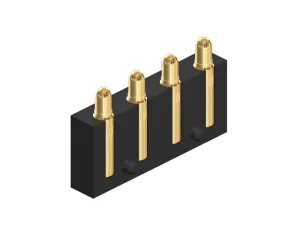
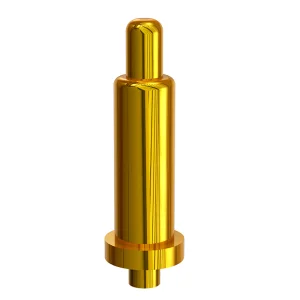
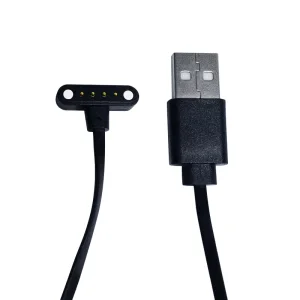
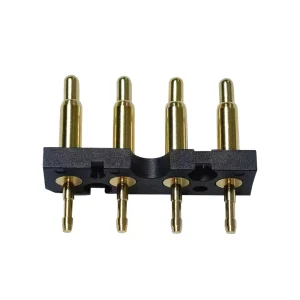
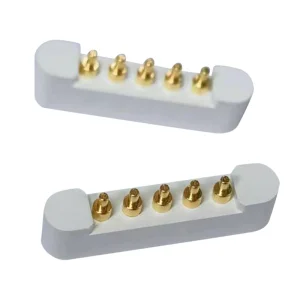
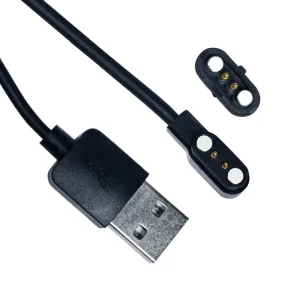
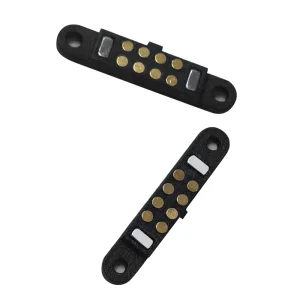
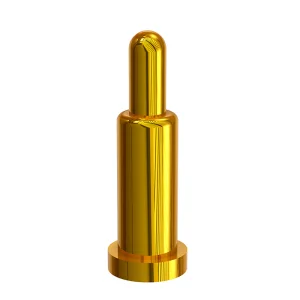
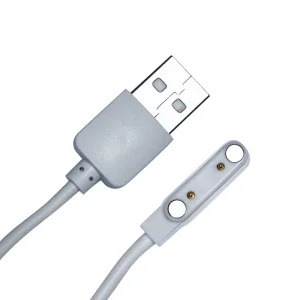
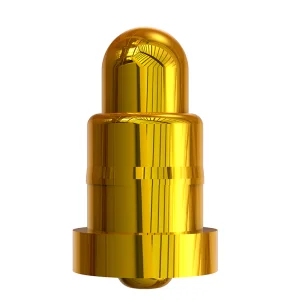
Pioneering testing assemblies engineered for immediate deployment within Australia's leading telecommunication centers and high-speed data transmission pipelines.
Sydney has evolved from a financial capital into a highly sophisticated technological hub. From Macquarie Park's medical technology corridor to the engineering and aerospace defense facilities in Western Sydney, there is an escalating demand for high-reliability components. Advanced industrial systems, communication satellites, medical imaging devices, and clean-tech networks are rapidly expanding in Australia. Behind this technological advancement lies a critical requirement: the necessity for precise signal validation during electronics assembly.
High-frequency testing needles (often referred to as RF coaxial probes, spring test pins, or microwave probes) are indispensable tools used to evaluate integrated circuit (IC) packages, high-speed printed circuit boards (PCBs), and radio frequency (RF) units. As Sydney-based hardware developers pivot to 5G infrastructure, satellite communications, and high-frequency IoT hardware, these needles must deliver consistent electrical performance. A failure to manage impedance mismatches, insertion losses, or signal attenuation during the testing phase can compromise entire defense systems or lead to medical hardware failures. Consequently, finding a high-precision manufacturing partner who can produce testing needles capable of performing in the gigahertz (GHz) ranges has become a high-priority procurement objective.
Technical Insight: Signal Integrity & Thermal Challenges in Sydney's Laboratories
In high-frequency testing applications (typically ranging from 1 GHz up to 40 GHz), the coaxial construction of the test probe determines the signal path integrity. Impedance matching, usually optimized at 50 ohms, is critical. Any mechanical deviation in the inner conductor or outer shielding sleeve of the needle will cause signal reflections (Return Loss) and phase distortion, directly affecting testing yield rates.
The global semiconductor test probe market is undergoing rapid transformations driven by miniaturization and frequency amplification. As electronic modules integrate more functionalities into compact layouts, the physical pitch (the center-to-center distance between adjacent testing contacts) has shrunk from 1.27mm to less than 0.3mm. In Sydney's cutting-edge drone development, avionics, and quantum computing projects, micro-pitch requirements demand extreme manufacturing tolerances down to ±0.005mm.
Additionally, high-frequency testing is no longer restricted to laboratory environments; it is now widely implemented directly on the factory floor during mass assembly. The rise of Smart Factories, robotic handling systems, and automated test equipment (ATE) demands that test needles sustain upwards of 500,000 to 1,000,000 cycles without showing significant degradation in contact resistance. This has fueled research into advanced metallurgy, prompting factories to transition from simple gold-plated brass to advanced beryllium copper, palladium-alloy cores, and hard rhodium platings that resist tip wear and debris buildup.
Procurement teams face the challenge of balancing performance, delivery speed, and cost. In high-frequency testing, choosing an inadequate probe can result in false failures during PCB testing, leading to scrapped boards, delayed shipments, and higher production costs.
Global buyers prioritize several factors when sourcing high-frequency testing needles:
To meet these strict global specifications, the manufacturing ecosystem has transitioned toward Industry 4.0 principles. Leading the way is the manufacturing cluster in Shenzhen, China. Shenzhen Rongqiangbin (RQB) Electronic Hardware Co., Ltd. represents the cutting edge of this evolution, utilizing automation and advanced precision machining to deliver reliable solutions for global buyers.
Integrating Factory 4.0 systems delivers distinct advantages for Sydney-based importers:
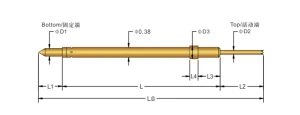
Each probe plunger and barrel must be turned with extreme precision. Utilizing automated Swiss-type lathe machinery ensures that diameters down to 0.15mm are machined consistently. This reduces variance in spring pressure and signal characteristics across large production runs.
High-frequency applications rely on the skin effect, where electrical current travels primarily along the outer layer of the conductor. This makes the quality and thickness of gold plating critical. RQB's controlled electroplating processes provide uniform gold layers that optimize electrical conductivity and prevent internal corrosion.
Rather than relying on manual spot checks, modern assembly lines use automated optical inspection. Every single pogo pin and testing needle is checked for dimensional accuracy and barrel alignment before shipping, ensuring consistent performance.
By connecting Sydney engineering teams directly with manufacturing designers, custom high-frequency probes can be prototyped, simulated, and put into production quickly. This speeds up product development cycles and helps bring new technology to market faster.
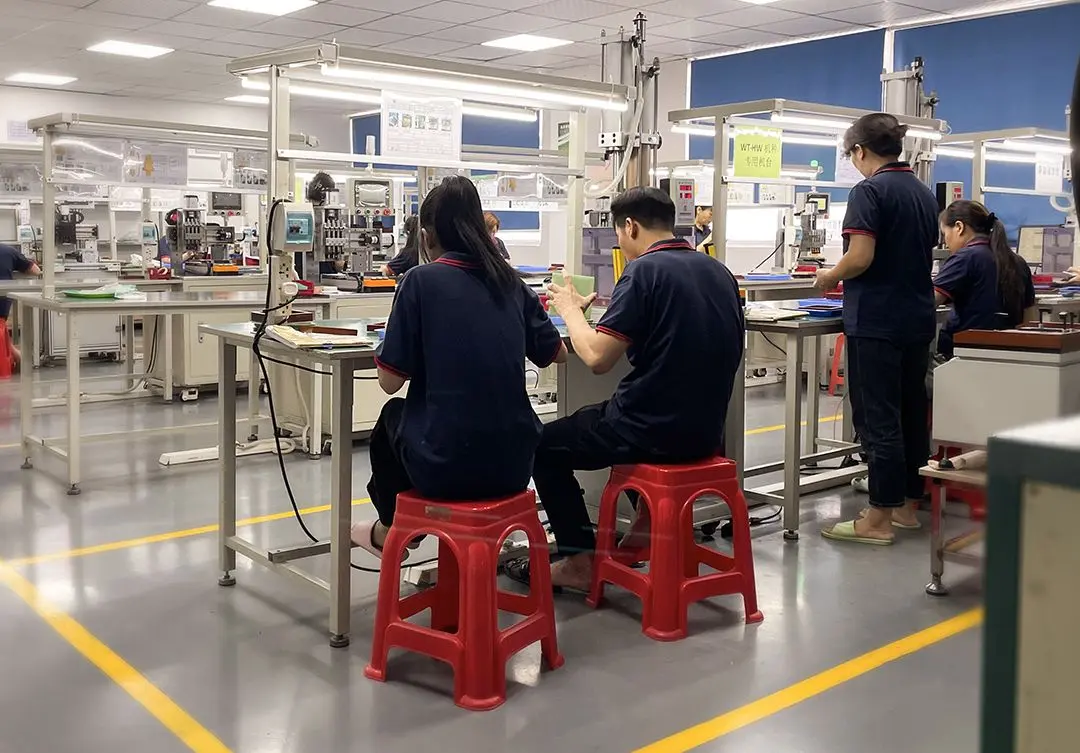
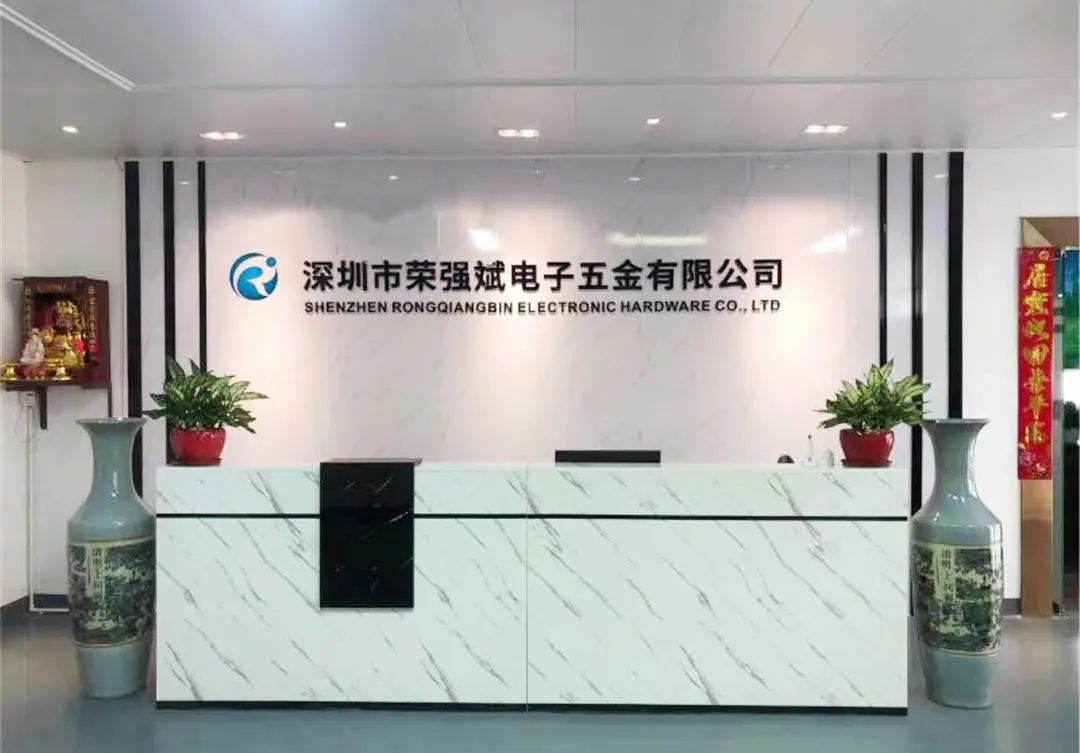

Shenzhen Rongqiangbin Electronic Hardware Co., Ltd. is located in Shenzhen, the leading city of the Guangdong-Hong Kong-Macao Greater Bay Area. Founded in February 2011 in Songgang Street, Shenzhen, our company specializes in the development and manufacturing of high-quality Pogopin connectors, high-frequency testing needles, and precision terminal systems. After years of dedicated effort and technical advancement, we have become an established leader in the interconnect and probe industry.
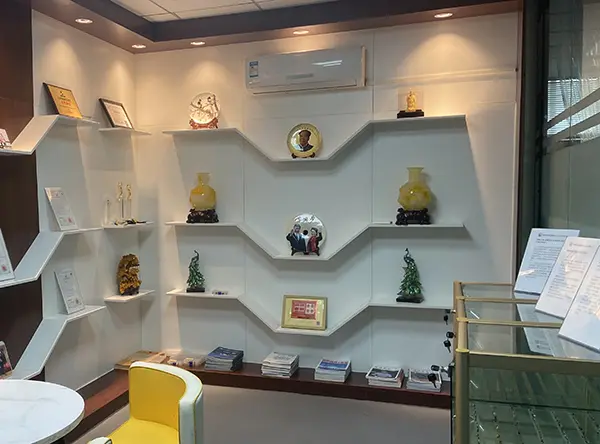
Guided by our core principle of "customer first, integrity first," our team brings deep technical expertise in POGO PIN engineering. We have built long-term partnerships with leading global enterprises, including Honeywell, Samsung, Siemens AG, ZTE, 360, QCY, Haylou, Shanghai Laimu, Luxshare Group, Aoni Electronics, and the Amphenol Group.
To maintain strict quality standards, we operate under the ISO9001:2015 version of the international quality management system. Our comprehensive quality control and environmental management systems ensure that all products comply with international environmental protection regulations (such as RoHS and REACH), delivering reliable performance for demanding industries worldwide.
Committed to being an excellent POGO PIN and high-frequency probe manufacturer globally, offering competitive cost-to-performance ratios and driving the development of advanced connector technologies.
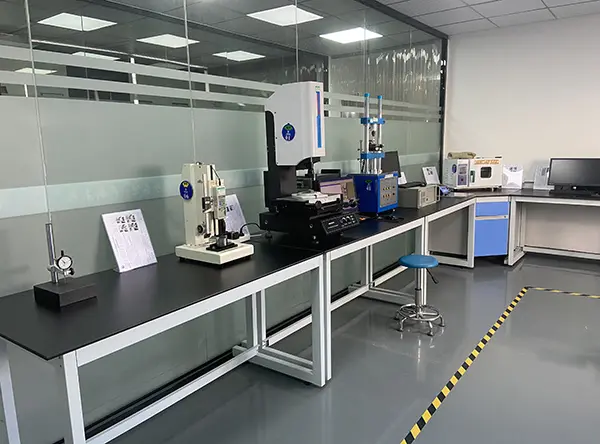
Over 10 years of manufacturing experience, holding more than 300 patents, and serving over 4,000 clients globally. We utilize advanced testing equipment to ensure every batch meets your specifications.
Every product undergoes dimensional, spring-force, and electrical resistance testing prior to shipping, ensuring seamless integration into your automated test fixtures (ATE).
High-frequency testing needles are used across several key industries in the Sydney metropolitan area:
Defense projects in Western Sydney rely on secure, high-frequency communications. Testing ground-station transceivers and phased-array radar components requires coaxial test probes that can operate in high-frequency bands (Ku-band, Ka-band, and higher) while maintaining signal integrity.
Sydney's medical device manufacturers produce advanced diagnostic imaging systems and implantable monitoring technology. These systems handle high-speed data transmission that must be thoroughly validated using gold-plated, low-resistance test probes to ensure patient safety and device reliability.
As Sydney rolls out smart infrastructure networks, local hardware developers use our pogo pin assemblies to test sub-6GHz and UWB (Ultra-Wideband) modules, ensuring stable connectivity and efficient power management.
Require a custom high-frequency probe design for your Sydney project?
Send Inquiry NowGet answers to common questions about high-frequency testing needles, specifications, and sourcing for your projects.
High-performance connectors, magnetic charging assemblies, and spring-loaded testing components designed to meet strict international standards.
 Rongqiangbin Electronic