Soldering Wire Type Manufacturer & Factories in Melbourne

Precision Metallurgical Formulations, High-Reliability Alloys, and Smart Connective Interfaces for Industrial Integration

Premium Solder Core Alloys & Connective Components

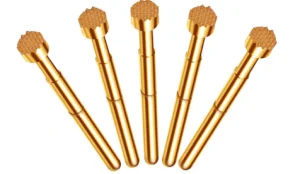
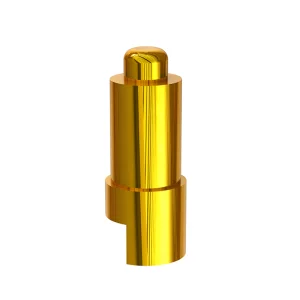
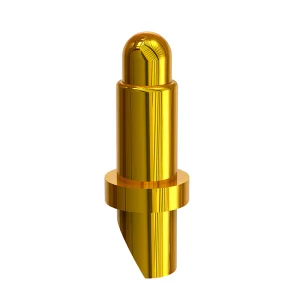
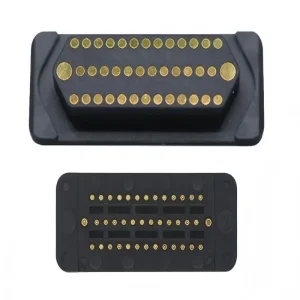
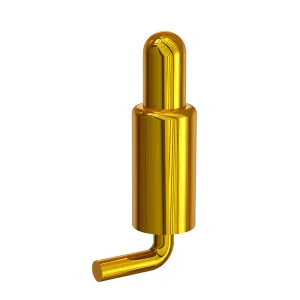
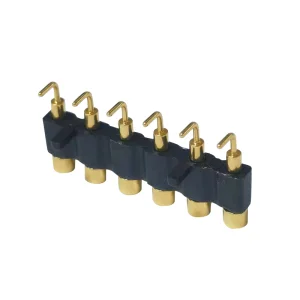
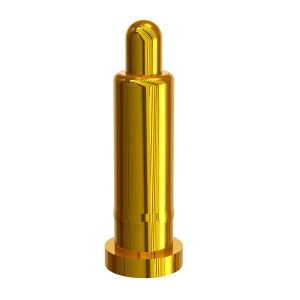
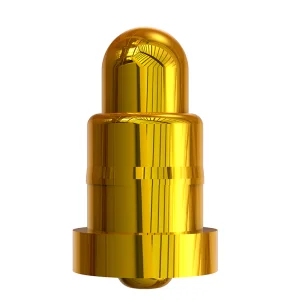
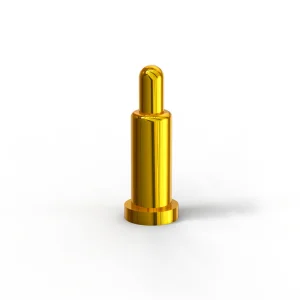
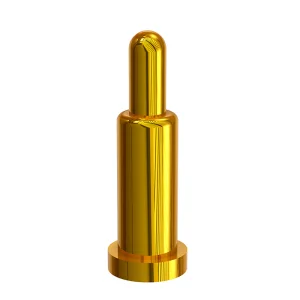
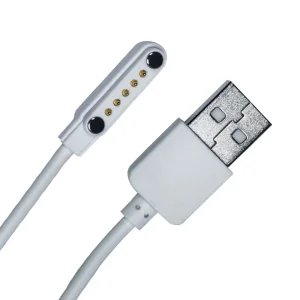
Explore our primary range of precision-manufactured interconnects, customized spring loaded assemblies, and heavy-duty contact probes optimized for Melbourne's industrial systems.
Need Custom Solder Components or Interface Designs?

Connect directly with our engineering division. We offer tailored alloy selections, variable core flux types, and advanced connector architectures optimized for high-reliability manufacturing settings.

Send Inquiry Now
Melbourne Electronics & Aerospace Industry Report

Strategic Guide to Soldering Wire Types & Connective Materials in Victoria’s Industrial Corridors

Melbourne’s advanced manufacturing economy has undergone a significant transformation. From traditional automotive assembly lines, Victoria's industrial focus has shifted towards high-value sectors: biomedical instrumentation, defense electronics, aerospace engineering, smart grid hardware, and complex IoT communication devices. At the core of all these technologies lies physical micro-assembly: the electrical joints that secure active nodes. Choosing the correct soldering wire type is no longer just a workshop decision; it is a critical engineering requirement that affects product lifespan, signal integrity, and regulatory compliance.

In high-vibration aerospace settings or dense sensor arrays in Victoria's agricultural zones, solder joints act as both the mechanical anchor and the electrical conduit. Selecting an incorrect alloy formulation, insufficient flux chemistry, or incompatible plating interfaces can cause micro-cracking, intermetallic dross formation, and early failure in the field. This whitepaper explains the metallurgy of modern solder wires, how they interact with advanced mechanical interfaces (such as spring-loaded POGO pins), and how global supply chain integration supports Melbourne's localized engineering capabilities.

1. Categorization and Metallurgy of Modern Soldering Wire Types

Solder wire is classified by its internal core structure, alloy ratio, and flux chemistry. To design reliable systems, engineers must understand these distinctions:

  • Lead-Free Alloys (RoHS Compliant): The standard for global markets. The most common alloys are SAC305 (Tin 96.5%, Silver 3.0%, Copper 0.5%) and Sn99Cu0.7. SAC305 provides excellent mechanical strength and fatigue resistance, making it suitable for automotive and industrial electronics in Melbourne's industrial corridors.
  • Lead-Based Alloys (Sn60/Pb40 & Sn63/Pb37): Historically preferred for their low melting points (183°C eutectic) and excellent wetting properties. While restricted by RoHS, leaded solder wires are still used in specific defense and aerospace applications in Victoria where compliance exemptions apply and maximum reliability is required under extreme conditions.
  • Flux Core Types (Rosin vs. Synthetic):
    • Rosin Mildly Activated (RMA): Formulated for components that are slightly oxidized; leaves a non-corrosive residue that often does not require post-soldering cleaning.
    • Water-Soluble Flux: High activity levels designed for rapid oxide removal. However, residues must be cleaned thoroughly with deionized water to prevent long-term corrosion.
    • No-Clean Flux: Designed for automated assembly lines where washing is not practical. Residue is minimal, non-conductive, and stable under high humidity.

2. Interfacing Solder with High-Performance Connectors: The Pogo Pin Synergy

In modern electronic devices, solder wire works together with precision contact elements. Spring-loaded contacts (POGO pins) are increasingly used for power transmission, data loading, and board-to-board connections. Soldering a POGO pin requires careful thermal control and material compatibility:

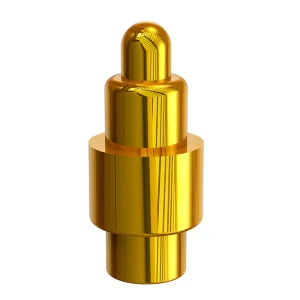
POGO pins are typically constructed with brass plungers and barrels plated with gold over nickel, containing a stainless steel spring. When soldering these components to a PCB or directly to wire leads, the heat must be managed to prevent damaging the internal spring's temper. High-purity solder wires with activation-optimized flux cores ensure rapid wetting at lower temperatures, preserving the mechanical properties of the connector's spring. The gold plating on the contact tail dissolves into the solder joint; if the gold concentration exceeds 3% to 5%, it can cause gold embrittlement. Engineers must choose alloys and solder quantities carefully to avoid brittle intermetallic layers.

Local Engineering Context: Melbourne Application Profiles

How different industries in Victoria utilize specific soldering wire formulations and connector technologies for critical deployment.

Aerospace & Defense (Geelong & Fishermans Bend)

Requires high-reliability, vibration-resistant solder joints. Applications often use eutectic leaded wire or high-performance lead-free alternatives like SAC305, coupled with heavy-duty gold-plated contact interfaces to withstand G-force and thermal shock.

Medical Instrumentation (Parkville Biotech Hub)

Demands strict lead-free compliance (RoHS) and bio-compatibility. Miniature medical devices use high-silver alloys and micro-Pogo pin structures for diagnostic arrays, requiring clean flux residues to prevent bio-contamination.

IoT & Smart Metering Infrastructure

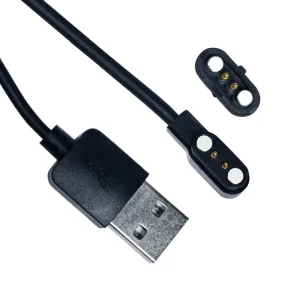
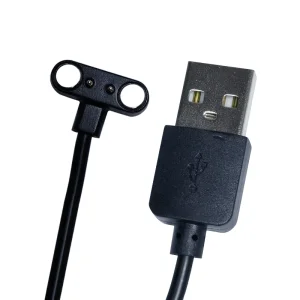
Deployed across outdoor environments in rural and urban Victoria. These assemblies rely on corrosion-resistant solder alloys and waterproof magnetic spring-loaded interfaces to ensure long-term durability and electrical contact under variable weather conditions.

Direct Manufacturer Integration

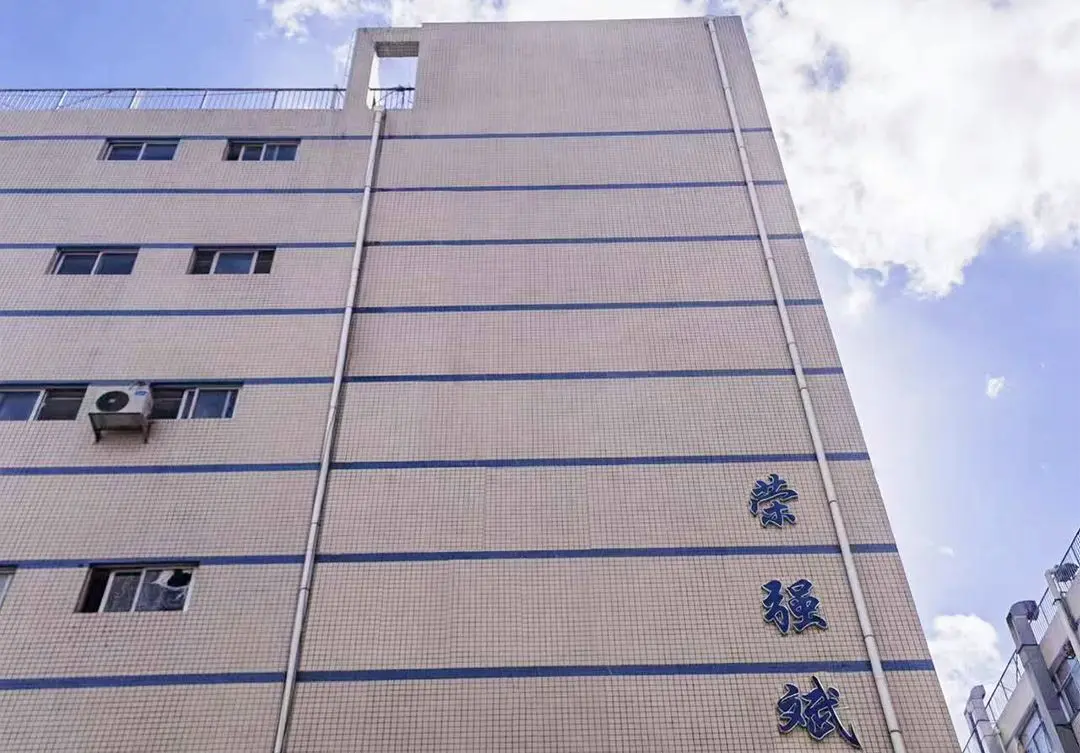
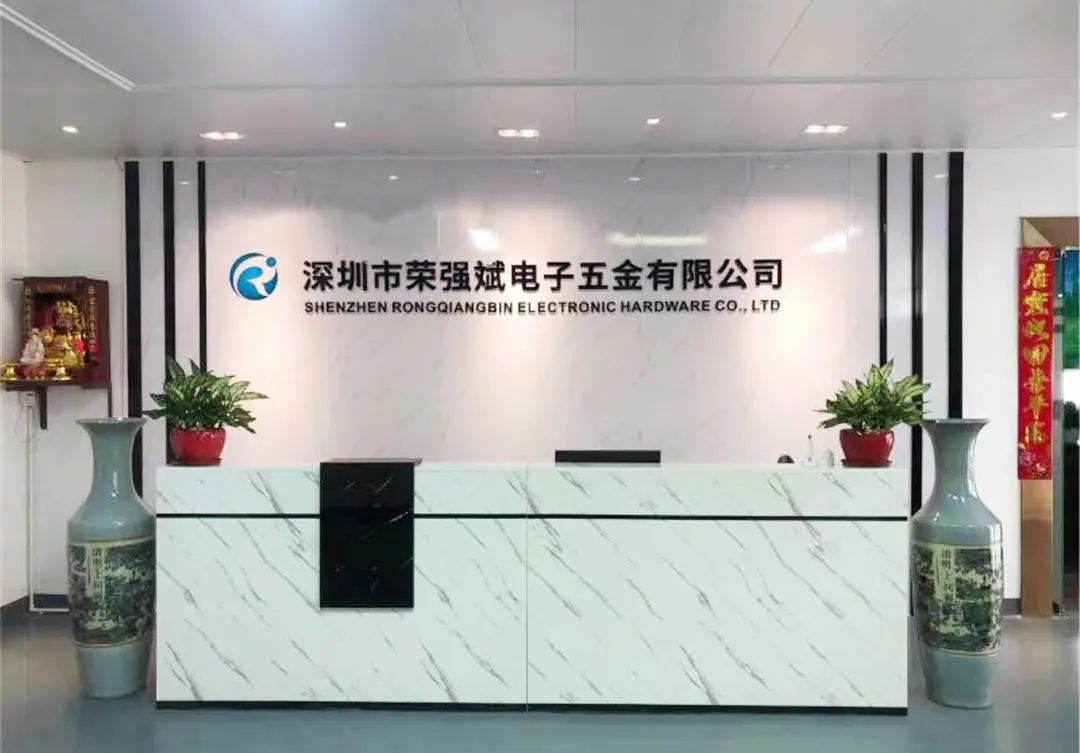
Shenzhen Rongqiangbin Electronic Hardware Co., Ltd.

Founded in February 2011 and headquartered in Songgang, Shenzhen—a key electronics manufacturing hub within the Guangdong-Hong Kong-Macao Greater Bay Area—Shenzhen Rongqiangbin Electronic Hardware Co., Ltd. has developed into a specialized manufacturer of high-precision connector components, with a strong focus on advanced POGO PIN design, custom magnetic connectors, and spring-loaded assemblies.

We work closely with engineering teams in Melbourne and globally to deliver interconnect solutions that fit seamlessly with advanced soldering assembly protocols. By controlling the metallurgy of our pins, using high-purity brass bases, and applying advanced gold-plating technologies, our products are optimized for fast wetting and clean solder joints on the production floor.

Our operation is based on customer-first service and rigorous quality control. We hold ISO9001:2015 international quality management system certifications and maintain strict environmental compliance protocols. This ensures that every component sent to Melbourne meets local Australian standards, RoHS directives, and specific project requirements.
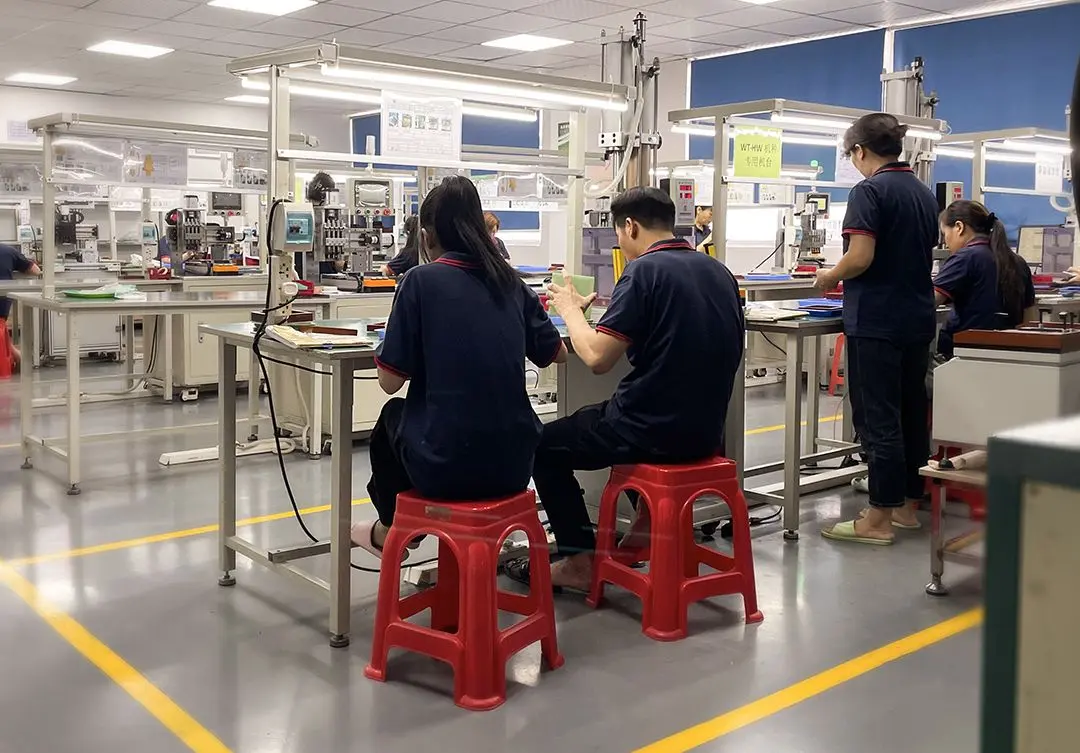
Rongqiangbin Precision CNC Lathe Production Line
Rongqiangbin Quality Inspection & Optical Sorter
Rongqiangbin Automated Assembly and Packing
10+
Years of Manufacturing Experience
4000+
Global Active Clients
300+
Registered Tech Patents
100%
Pre-Shipment Inspection

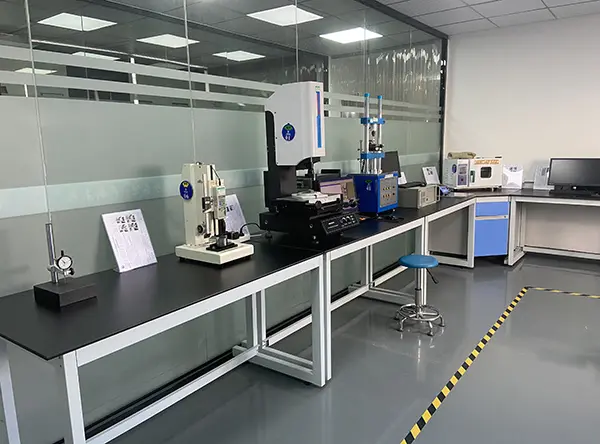
Engineered for Reliability: Our Quality Framework

Combining advanced testing instrumentation, strict certification standards, and direct technical support to keep your production lines moving.
Why Global OEMs Choose Rongqiangbin

  • Advanced Metallurgical Controls: We use base metals and surface platings that are highly compatible with SAC305, Sn/Pb, and low-temperature solder alloys.
  • In-House Testing Laboratory: Our facility is equipped with X-ray fluorescence (XRF) plating thickness analyzers, contact resistance testers, and mechanical life-cycle testers.
  • Global Enterprise Clients: We are a trusted supplier to tier-1 companies including Honeywell, Samsung, SIEMENS AG, ZTE, 360, QCY, HAYLOU, Shanghai Laimu, Luxshare Group, Aoni Electronics, and Amphenol Group.
  • Hybrid Supply Chain Flexibility: We coordinate direct shipping routes from our Shenzhen factory to Melbourne (Tullamarine) to ensure consistent stock availability.
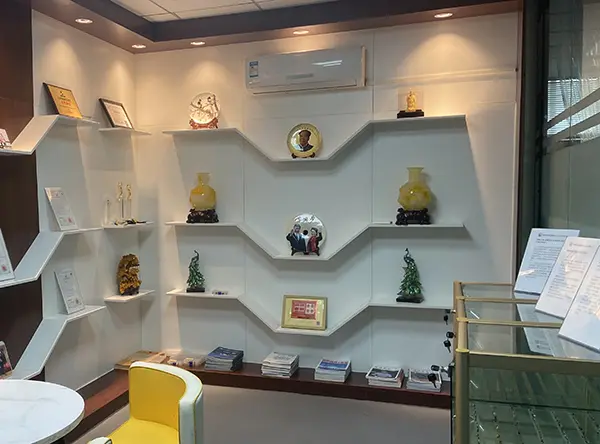
ISO9001 Management Certification Environmental Compliance Certificate

Our Vision

Committed to being excellent POGO PIN manufacturers for both quality and cost at home and abroad, and leading connector technology development.

Customer-First Spirit

Our company's spirit of "customer first, integrity first" principle, has a strong POGO PIN industry technology production team, and a number of enterprises to establish a long-term cooperative relationship.

Technical FAQ: Soldering Wires & Interface Engineering

Answers to common engineering questions regarding alloy selection, thermal limits, and connector reliability.

What are the key differences between leaded and lead-free soldering wires for Melbourne industrial applications? +
Leaded soldering wires (such as Sn63/Pb37) melt at a lower eutectic temperature of 183°C, offering excellent wetting and joint mechanical resilience under thermal cycling. Lead-free alternatives (such as SAC305) require higher process temperatures (typically melting around 217-220°C). SAC305 is RoHS-compliant, making it the standard choice for consumer electronics and medical devices. However, leaded alloys are still used in specific aerospace and defense projects in Australia due to their resistance to tin whisker formation.
How does core flux type affect the longevity of soldered spring contact interfaces? +
Core flux cleans surface oxides during soldering. Rosin Mildly Activated (RMA) and No-Clean fluxes leave non-conductive, stable residues that generally do not need washing, making them suitable for delicate spring assemblies. In contrast, water-soluble fluxes are highly active and provide clean joints but leave behind residues that must be washed away. If left uncleaned, these residues can cause board corrosion or build up inside the spring-loaded plunger, increasing electrical resistance.
How can we prevent gold embrittlement when soldering gold-plated Pogo pins? +
Gold embrittlement occurs when gold dissolves into leaded or lead-free solder alloys in concentrations exceeding 3-5% by weight, which can make the solder joint brittle and prone to cracking under vibration. To mitigate this risk, keep the solder volume relatively high compared to the thin gold plating layer, use silver-bearing alloys (like SAC305) which help slow down intermetallic growth, and control soldering temperatures to limit the dissolution rate.
Can Rongqiangbin supply custom magnetic cables and connector pins directly to Victoria? +
Yes. We coordinate direct air-freight and sea-freight shipping channels from our manufacturing facility in Shenzhen to Melbourne. We provide custom design prototyping, fast production turns, and full inspection reports (including dimensional checks, plating thickness validation, and spring force curves) for industrial companies in Australia.
What quality certifications back Rongqiangbin's manufacturing processes? +
Our manufacturing processes are certified under the ISO 9001:2015 quality management standard. We use advanced testing equipment, including automated optical inspectors (AOI), X-ray plating thickness analyzers, micro-hardness testers, and mechanical life-testers, to ensure every batch meets international standards.

Ready to Optimize Your Interconnect Logistics?

Whether you are designing a high-vibration aerospace control system or sourcing reliable charging pins for a wearable consumer product in Melbourne, our engineering team is here to support you.

Request Technical Consultation