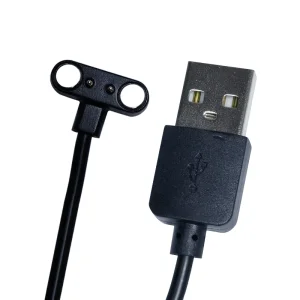
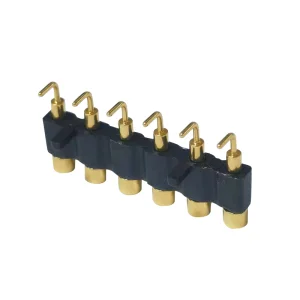
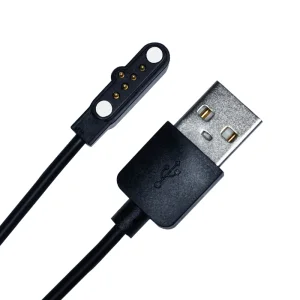
Engineered for high durability, rapid data transfer, and superior charging performance.
The global electronics industry is undergoing a paradigm shift, transitioning from traditional mechanical mating mechanisms toward plug-and-play magnetic connection interfaces. High-performance magnetic connectors, utilizing advanced pogo pin spring systems, solve long-standing design dilemmas including port fatigue, ingress pathways, and safety hazards associated with pull-away snags. According to recent market analysis, the ODM Magnetic Connector market is experiencing a double-digit compound annual growth rate (CAGR), propelled by demands in next-generation medical wearables, smart consumer devices, green mobility interfaces, and complex automated robotics.
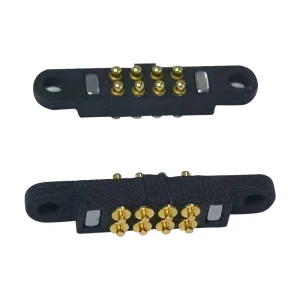
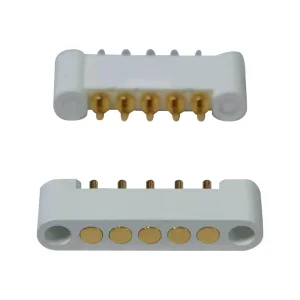
In this high-stakes landscape, sourcing and product design engineers prioritize structural reliability and custom electrical specifications. The development of specialized coatings, customized contact arrays (varying from single-pin charging solutions to dense 8-pin high-speed data structures), and superior IP-rated waterproof designs requires a manufacturing partner with profound ODM engineering capabilities.
Precision data links and continuous biosensor arrays mandate fluid-resistant, zero-insertion-force mating systems. Magnetic pogo pins ensure flawless operational integrity and allow rapid tool disinfection.
In vehicle interiors, charging pods, and high-vibration sensor housings require custom pin configurations capable of sustaining steady electrical continuity despite mechanical road shock and extreme temperature swings.
From premium smartwatches to smart-home docking portals and keyboard interfaces, seamless coupling reduces wear-and-tear while enhancing industrial aesthetics for the end user.
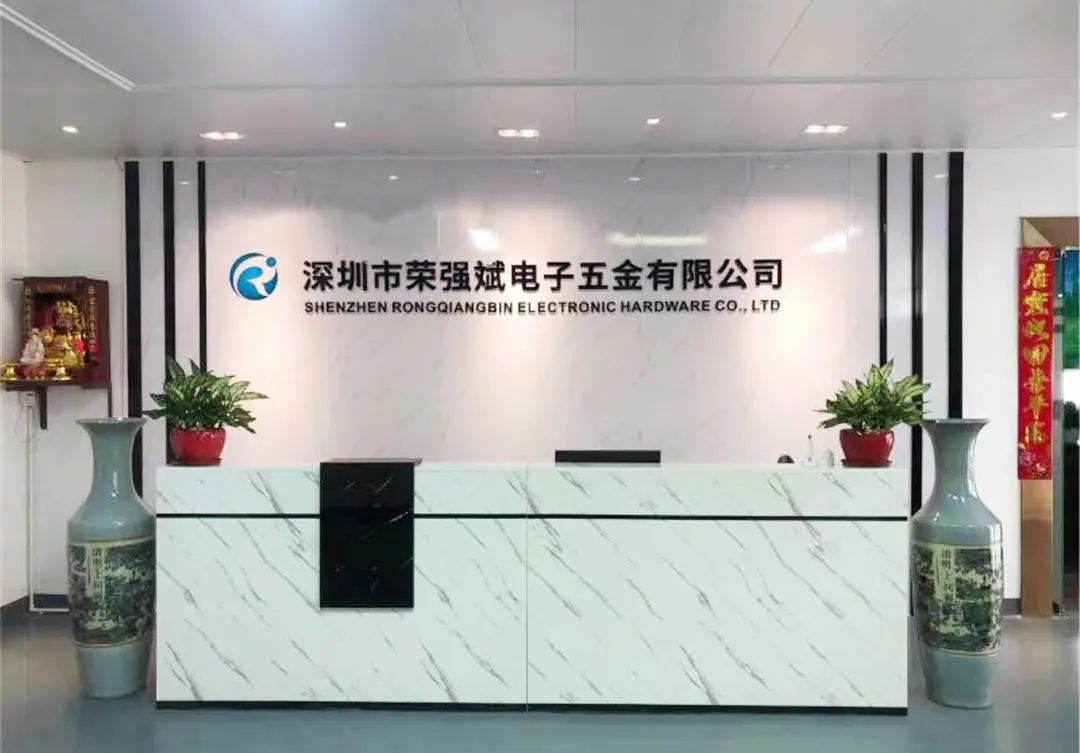
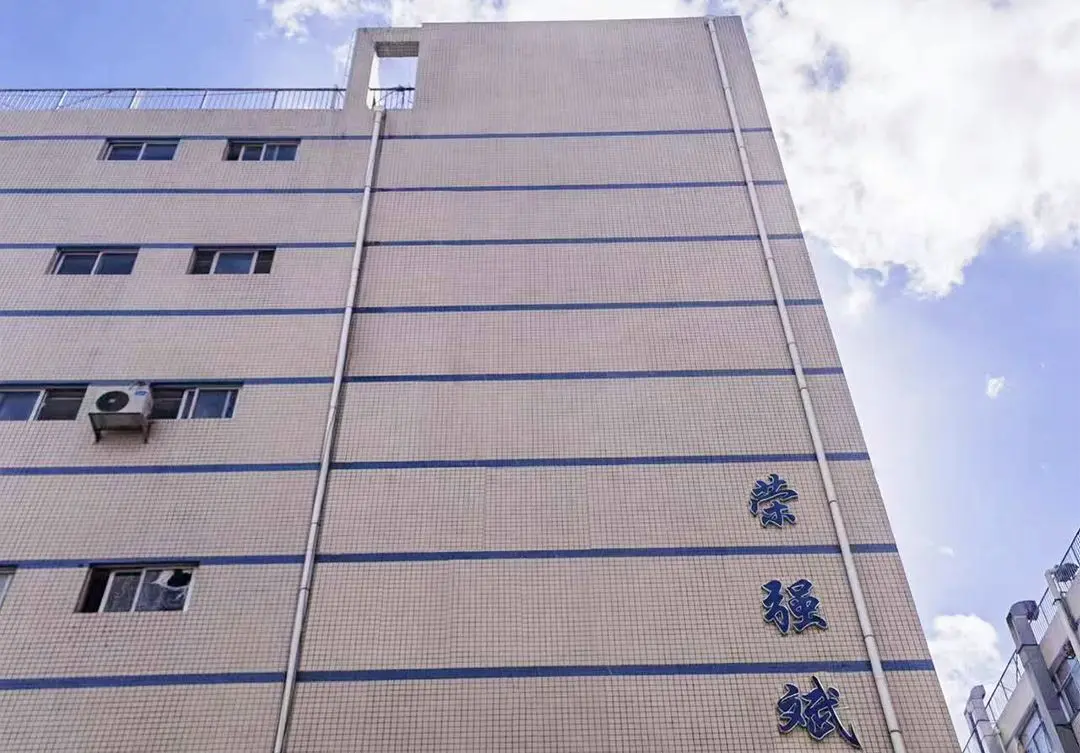
Established in February 2011, Shenzhen Rongqiangbin Electronic Hardware Co., Ltd. operates from Shenzhen, the leading technology hub of the Guangdong-Hong Kong-Macao Greater Bay Area. Over more than a decade of focused engineering sediment, we have grown into an industry titan specializing in the R&D, design, and precision manufacturing of Pogo Pin connectors.
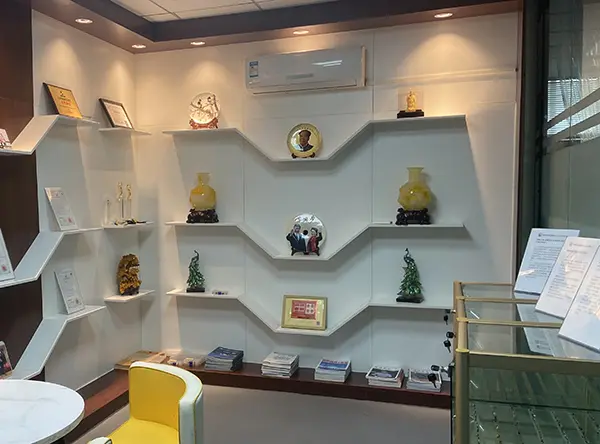
Our company operates on the core spirit of "Customer First, Integrity First." Our ISO9001:2015 certified facilities integrate a highly skilled production team alongside comprehensive testing instrumentation to fulfill rigorous ecological and high-performance requirements worldwide.
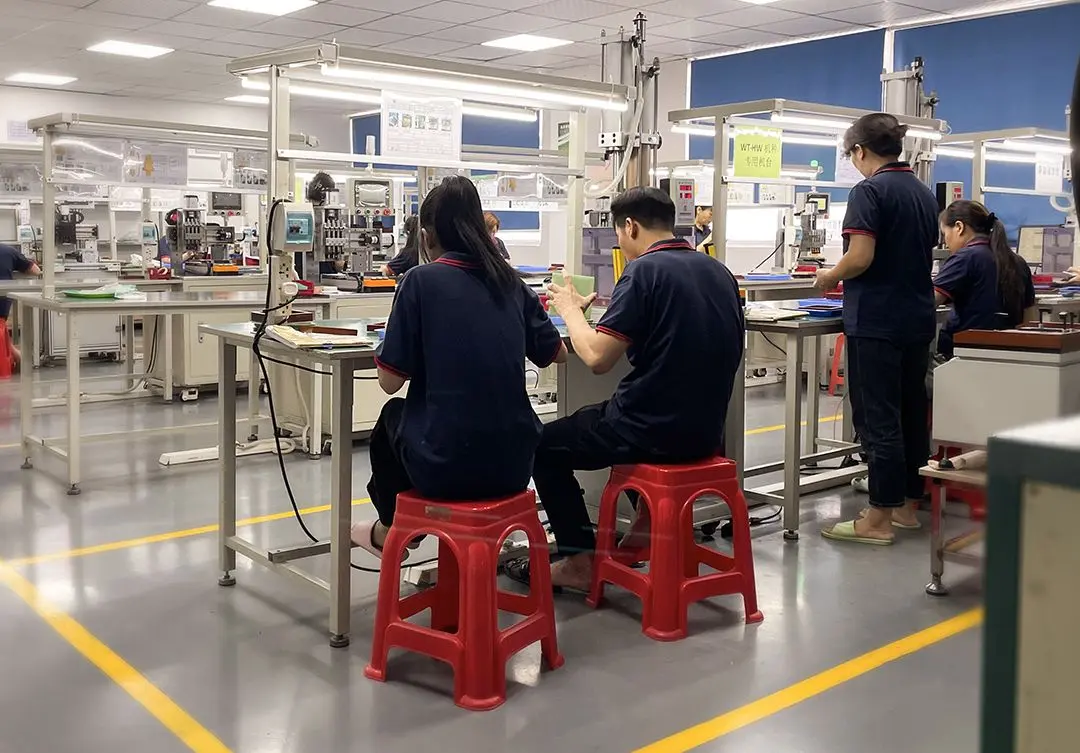

In the electronics hardware industry, regional synergy is critical to achieving economic scale without sacrificing precision. Shenzhen's Greater Bay Area (GBA) represents the world’s most advanced ecosystem for raw material sourcing, electroplating, CNC lathe turning, and rapid mold prototyping.
Our manufacturing facility in Songgang exploits this dense supply chain, enabling us to transition custom drawings to physical, tested prototypes within days. The proximity of localized metallurgy laboratories and surface plating suppliers guarantees that premium raw materials, such as Japanese high-precision brass rods and custom-molded high-temperature plastics (LCP/Nylon), are procured and integrated efficiently.
Furthermore, our automated assembly and 100% inspection capabilities reduce assembly errors to less than 10 PPM (parts per million). By sourcing direct from a Shenzhen factory, procurement managers achieve significant cost savings and experience a compressed development cycle compared to western competitors.
Advanced metrology, stringent verification systems, and elite industrial trust.
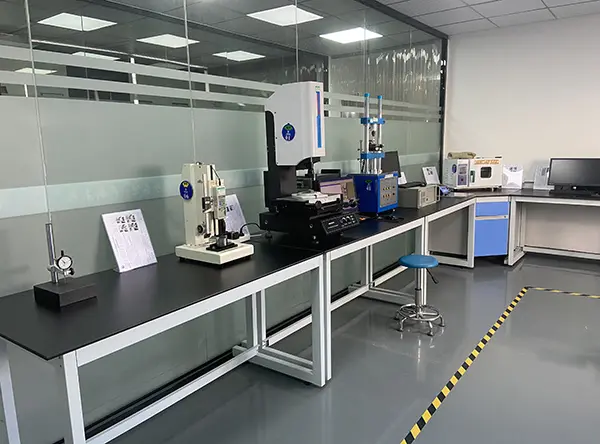
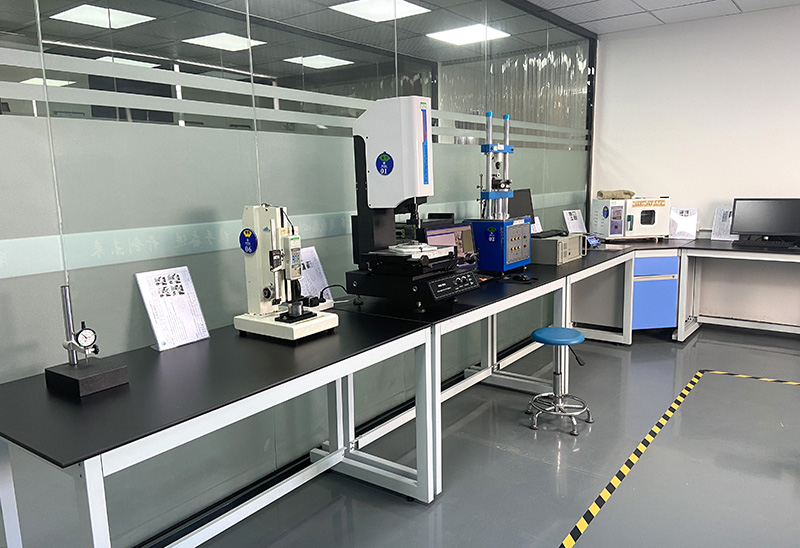
Certified to ISO9001:2015, we enforce strict environmental and quality metrics. Advanced testing labs inspect dynamic spring force, contact resistance, and salt spray resistance, guaranteeing performance under stressful environments.
Every shipment undergoes mechanical testing, checking dimension accuracy, magnetic force, plating thickness, and durability. Zero defective products leave our assembly floor, maintaining a 100% reliability record.
Committed to being excellent POGO PIN manufacturers for both quality and cost on home and abroad, and leading connector technology development.
Through decades of reliable supply cycles, we have formed long-term strategic relationships with prominent enterprises across consumer, industrial, and telecom sectors:
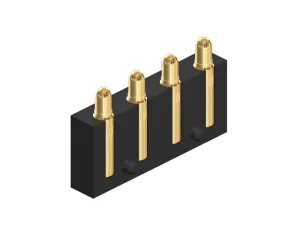
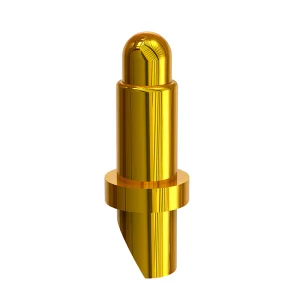
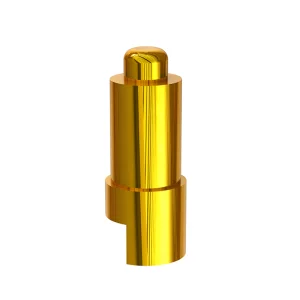
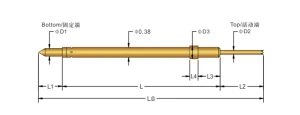
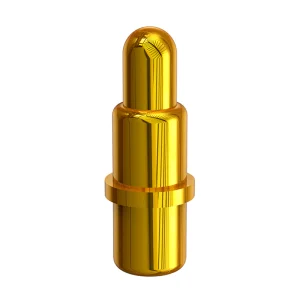
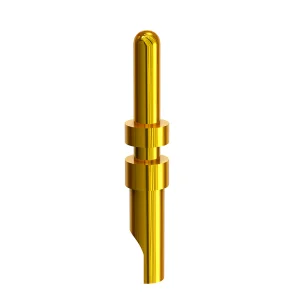
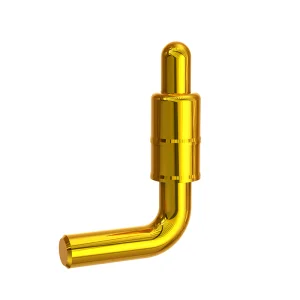
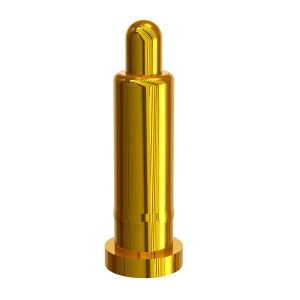
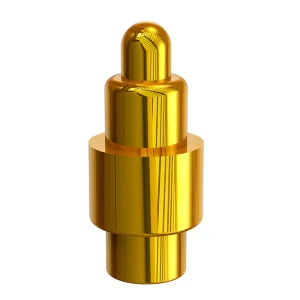
Developing an optimal magnetic pogo pin connector requires balancing mechanical, electrical, and magnetic parameters. The standard design consists of three core components: the plunger, the barrel, and the spring, inside a housed magnetic carrier.
1. Plunger & Barrel Metallurgy: High-purity brass (C3604) serves as the primary substrate. For medical or outdoor applications, we apply nickel-free plating, or high-density gold plating up to 50 micro-inches over nickel to eliminate contact resistance (commonly <30mΩ) and prevent galvanic corrosion when exposed to perspiration or ambient moisture.
2. Spring Engineering: We use stainless steel (SUS304) or high-grade music wire. The spring force is calibrated (usually between 30g and 150g per pin) to maintain mechanical connection under external vibrations while protecting the contact point.
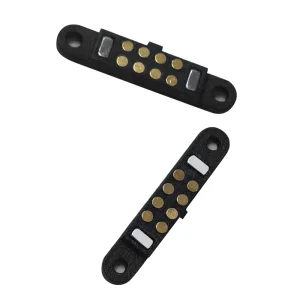
3. Magnet Selection: Neodymium-Iron-Boron (NdFeB) N52 permanent magnets provide maximum attraction force in minimal volumes. The magnetic attraction force is measured using specialized tensiometers to ensure easy disconnection while preventing accidental release.
Answering key architectural and logistical questions for technical buyers.
Premium solutions direct from our Shenzhen production line.
 Rongqiangbin Electronic