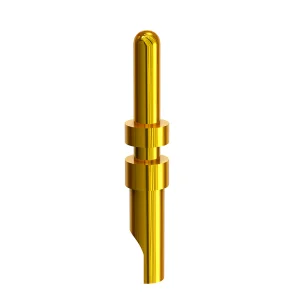
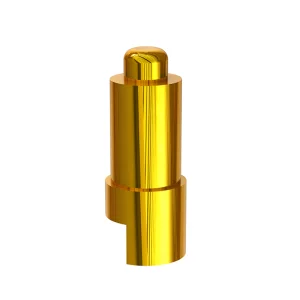
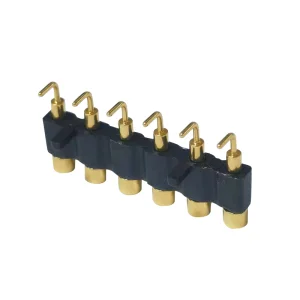
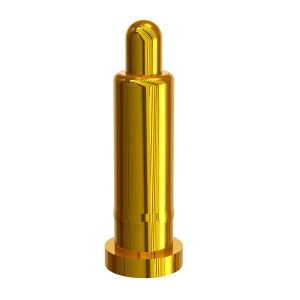
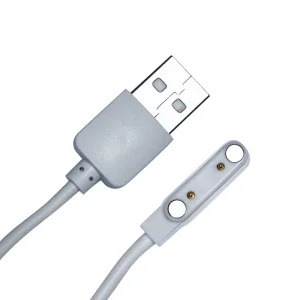
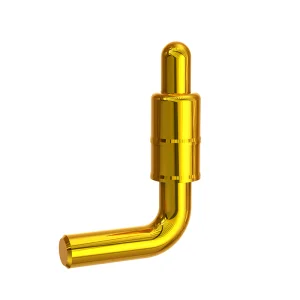
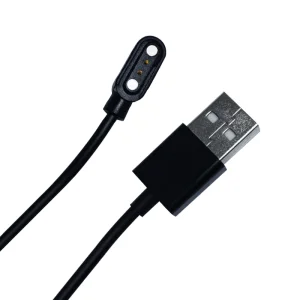
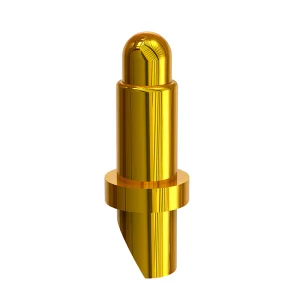
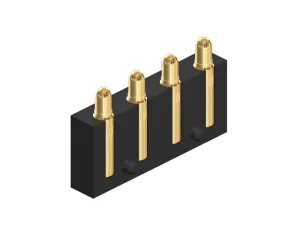
Browse our primary selection of OEM/ODM custom pogo pins, sockets, and magnetic interconnect components.
Deep dive into electrical reliability, mechanical performance, and design efficiency for modern interconnect architectures.
In the rapidly transforming landscape of global industrial automation, smart wearable technology, and high-frequency communication electronics, the interface design of connection components determines the viability and reliability of the system. The Spring-Loaded Connector (commonly referred to as a Pogo Pin) has evolved from a niche testing interface to a structural design pillar for custom ODM pin plugs worldwide. As consumer hardware prioritizes waterproofing, high durability, and compact spatial footprints, traditional blade and leaf connectors are increasingly being phased out in favor of robust, dynamic pogo pin contact arrays.
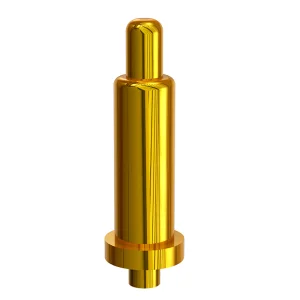
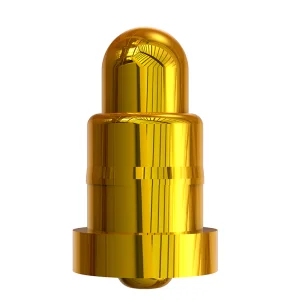
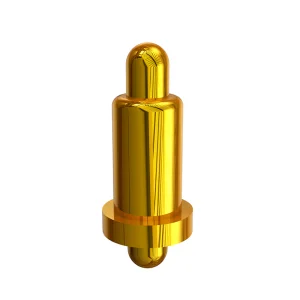
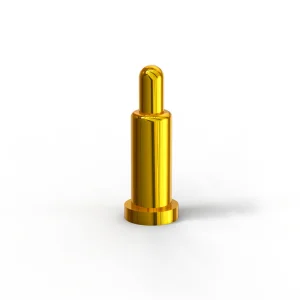
At the micro-electromechanical systems (MEMS) level, a pogo pin represents a masterpiece of precise metallurgical execution. A standard pin plug contains three major mechanical components: a plunger, a internal coil spring, and an external barrel. Under the strict parameters required for Modern Original Design Manufacturing (ODM), the combination of these three variables allows manufacturers to engineer pin plugs tailored for unique force-displacement curves, current carrying capacities (ranging from milliamperes to over 15 Amps), and operational lifetimes exceeding one million cycles.
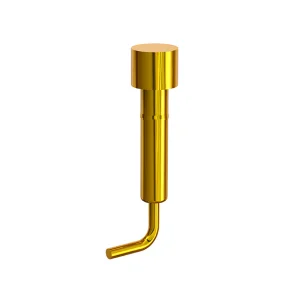
In the context of the global industrial supply chain, the transition to high-speed automation and IoT deployment has pushed electronic design engineers to seek agile manufacturing partners. High-durability pin plugs are crucial in logistics scanners, industrial drones, marine telemetry, and electric vehicle battery charging assemblies. The flexibility of customized gold plating thicknesses, housing configurations, and orientation formats (DIP, SMT, Bending, and Soldering Wire styles) ensures that design parameters are limited only by the designer’s imagination rather than standardized product catalogs.
How pogo pin plugs resolve real-world deployment challenges across critical industries.
Wearable devices such as smartwatches, medical sensors, and VR glasses operate in highly corrosive environments due to human sweat. Custom gold plating and waterproof double-headed pogo pins prevent contact failure, preserve skin compatibility, and maintain continuous signal transfer in sub-millimeter profiles.
With high vibratory conditions and constant thermal cycling, automotive control systems require connections that adapt dynamically. Bending type PCB socket pogo pins absorb engine/road vibrations, eliminating high mechanical tolerances and keeping the electrical circuit closed without signal chatter.
Deployed in extreme climates, remote smart grid meters and wireless sensor nodes utilize ruggedized spring-loaded connectors. These modules are built to survive wide temperature fluctuations (-40°C to +105°C), utilizing specialized spring materials like high-grade stainless steel to ensure zero loss of spring force over decades.
Pioneering tomorrow's interconnect designs through materials science and spatial optimization.
Traditional brass barrels are rapidly reaching their physical performance ceilings. The industry technical roadmap points to the adoption of high-strength lead-free copper-nickel-silicon alloys and beryllium-copper plunger cores. These materials yield higher tensile strengths and structural rigidity, allowing for thinner barrel walls without risking physical deformation during high-speed CNC lathing. This advancement permits smaller pitch matrices down to 0.5mm, paving the way for ultra-dense array boards.
With the rise of 5G, satellite communication, and high-frequency radar sensors, pogo pins must act as efficient transmission lines for signals exceeding 10 GHz. Custom high-frequency pogo pins now integrate coaxial shield configurations, matching 50-ohm characteristic impedance requirements. The design includes specialized dielectric spacers inside the barrel assembly, creating low insertion loss and high return loss values for critical telemetry applications.
Historically, waterproofing was achieved by physical rubber gaskets surrounding the connector assembly. The future of ODM connector manufacturing relies on molecular level surface treatments. Utilizing chemical vapor deposition (CVD), hydrophobic nano-coatings are applied directly onto internal pogo components. This prevents water molecules from gathering inside the spring chamber, preventing oxidation even if the physical shell is exposed to saline water or industrial chemicals.
For global OEMs looking to scale production from prototype to millions of units, the geographic cluster of the hardware supply chain is key. Located in the Songgang Street of Shenzhen—the absolute center of the Guangdong-Hong Kong-Macao Greater Bay Area—manufacturers have access to a complete downstream and upstream ecosystem. Raw material refineries, high-speed plating houses, custom tooling facilities, and logistics centers are all situated within a 1-hour manufacturing radius.
This dense industrial clustering translates directly into shortened development cycles. What typically takes months in Western markets—from layout design, mold tooling, customized plating tests, to physical stress analysis—can be accomplished in a matter of days in Shenzhen. The integration of high-speed optical inspection machinery, combined with automated packaging, guarantees that mass production occurs with near-zero PPM (parts per million) failure rates, ensuring reliable delivery even amid shifting global macroeconomics.
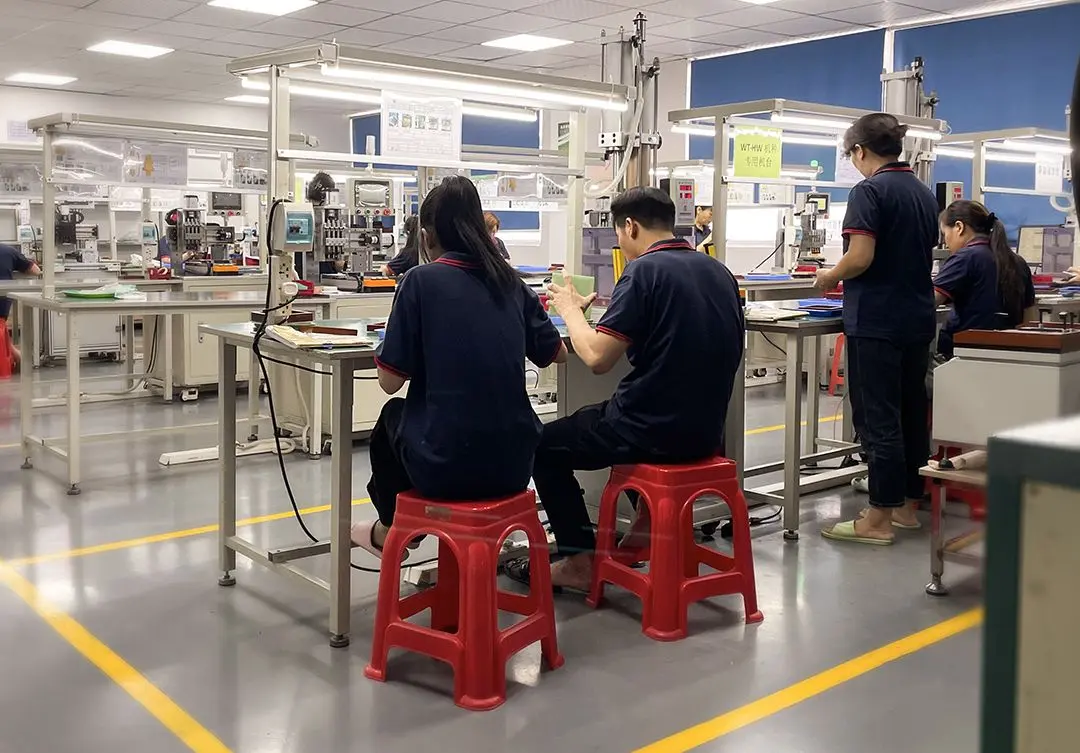
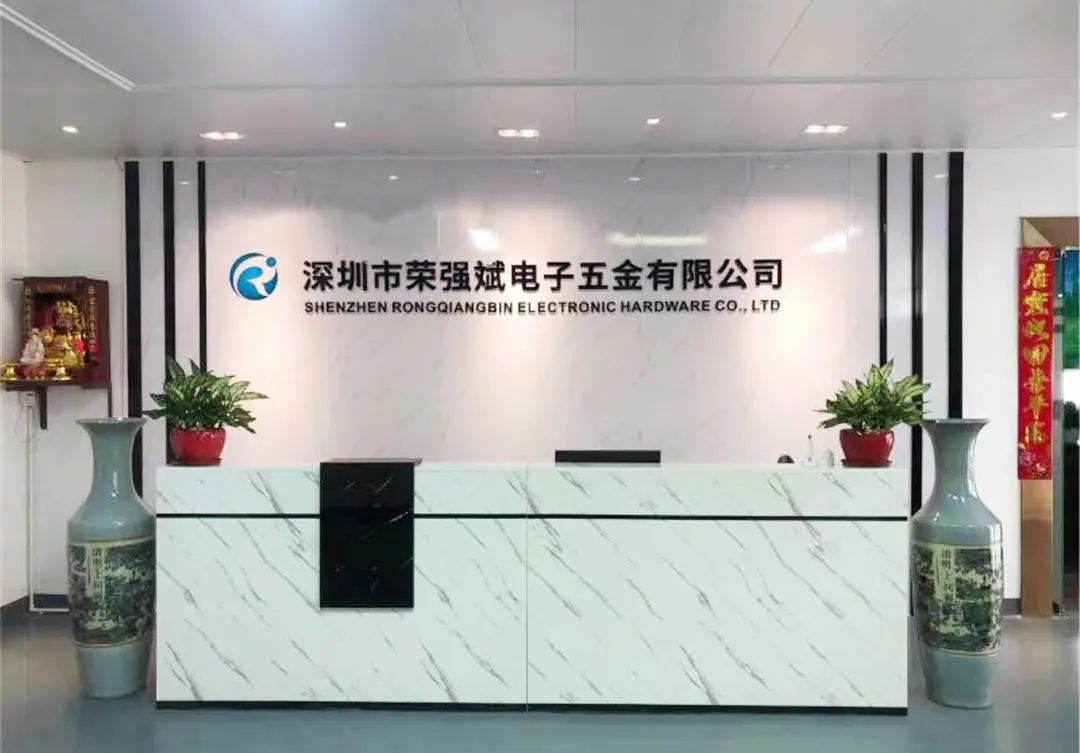


Shenzhen Rongqiangbin Electronic Hardware Co., Ltd. is located in Shenzhen, the leading city of Guangdong-Hong Kong-Macao Greater Bay Area. Our company was founded in February 2011 in Songgang Street, Shenzhen, specializing in the development and manufacturing of Pogopin connectors. After years of efforts and sedimentation, the company gradually became a leader in the industry.
Built upon the core spirit of "customer first, integrity first", our company has structured an industry-leading POGO PIN technical production team. We have established long-term cooperative partnerships with a vast array of global enterprises. Shenzhen Rongqiangbin has obtained the prestigious ISO9001:2015 version international quality management system certification, maintaining a robust quality management team and strict environmental policy to provide green, RoHS-compliant, high-durability hardware.
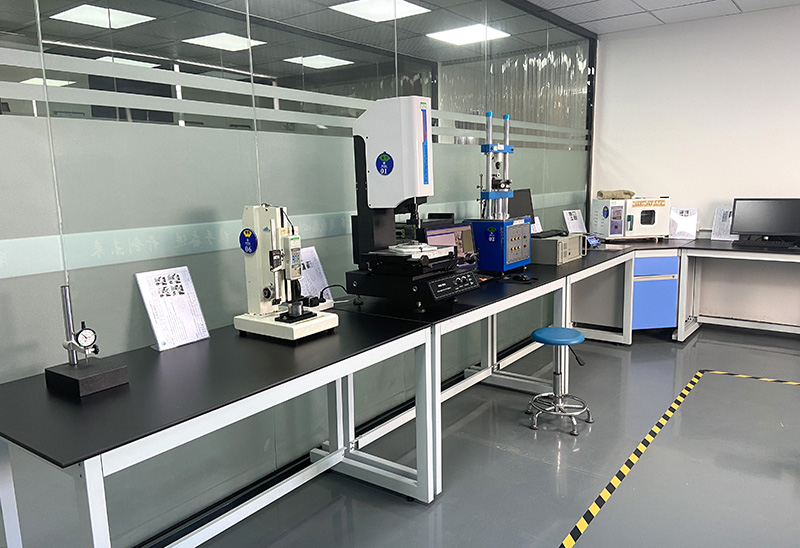
"Committed to be excellent POGO PIN manufacturers for both quality and cost on home and abroad, and leading connector technology development."


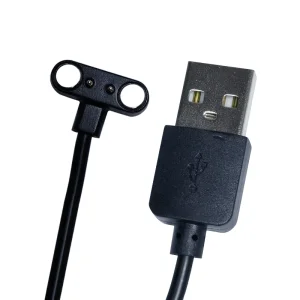
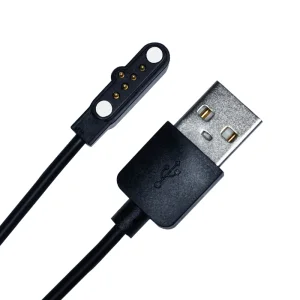
Discover our custom magnetic USB interfaces, bending pin plugs, and specialty SMT pin layouts.
Expert engineering answers for commonly encountered issues during interconnect selection and custom ODM development.
 Rongqiangbin Electronic