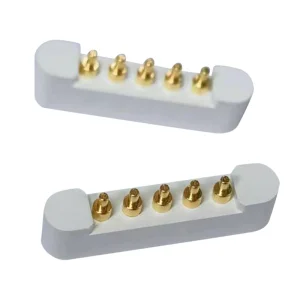
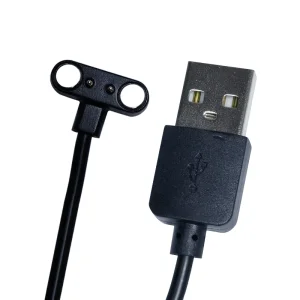
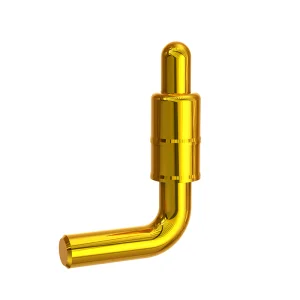
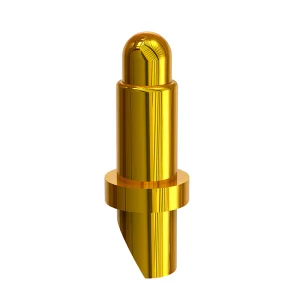
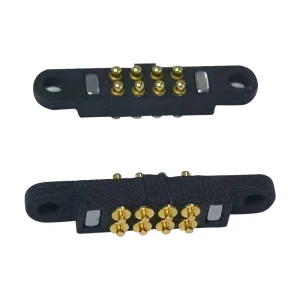
Explore our core high-performance spring-loaded connector series designed for reliable power and signal transmission.
An authoritative guide to the mechanical structure, contact physics, and internal layouts of spring-loaded contacts.
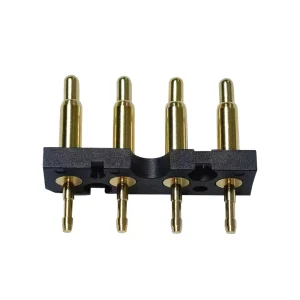
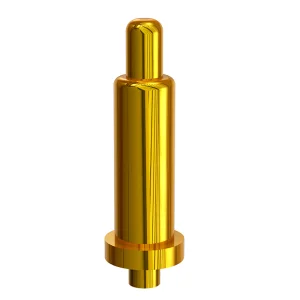
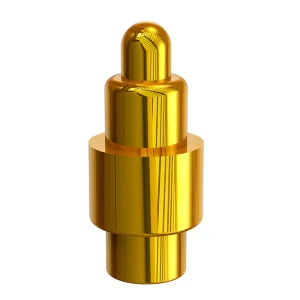
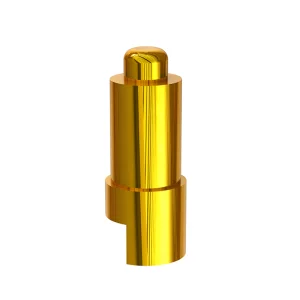
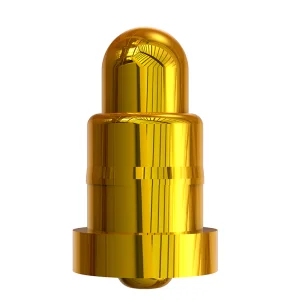
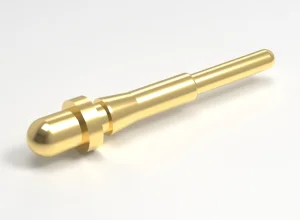
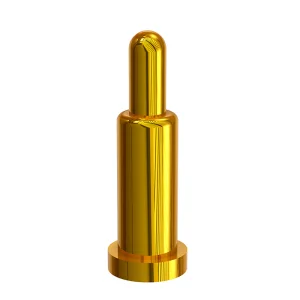
A pogo pin (or spring-loaded pin) is a high-precision electrical connector mechanism consisting of three main components: a plunger, a barrel, and an internal helical spring. Unlike static pins, pogo pins compress axially to establish a secure electrical connection. This structure allows the connector to absorb tolerances, surface roughness, and alignment errors in the mating interface. The continuous force exerted by the internal spring maintains structural contact under severe shock and vibration, making it a superior choice for high-reliability applications.
To understand the stability of pogo pins, we must look closely at their mechanical design types:
SEO Insight & Information Gain: For engineers procuring pogo pins, contact resistance stability is critical. High-frequency signal transfer (e.g., USB 3.1 or RF signals) requires precise impedance matching. Modern ODM manufacturers utilize advanced Simulation tools (FEA & Ansys) to design pogo pins that maintain constant impedance and signal integrity under dynamic motion profiles.
How localized engineering adapts spring-loaded pins to solve connectivity challenges across vertical markets.
In consumer smartwatches, TWS earbuds, and VR headsets, pogo pins act as space-saving charging ports. Our gold-plated surfaces withstand human sweat and corrosion, maintaining high conductivity over thousands of connection cycles.
Advanced Driver Assistance Systems (ADAS), infotainment consoles, and internal communication modules use high-durability pogo pins to counter vehicle vibrations. Strict tolerance management prevents instantaneous power interruptions.
Medical devices like patient monitors, diagnostic equipment, and disposable sensor interfaces rely on pogo pins for modular connectivity. Sterilization compatibility and biosafety plating (e.g., Rhodium or Platinum) are crucial here.
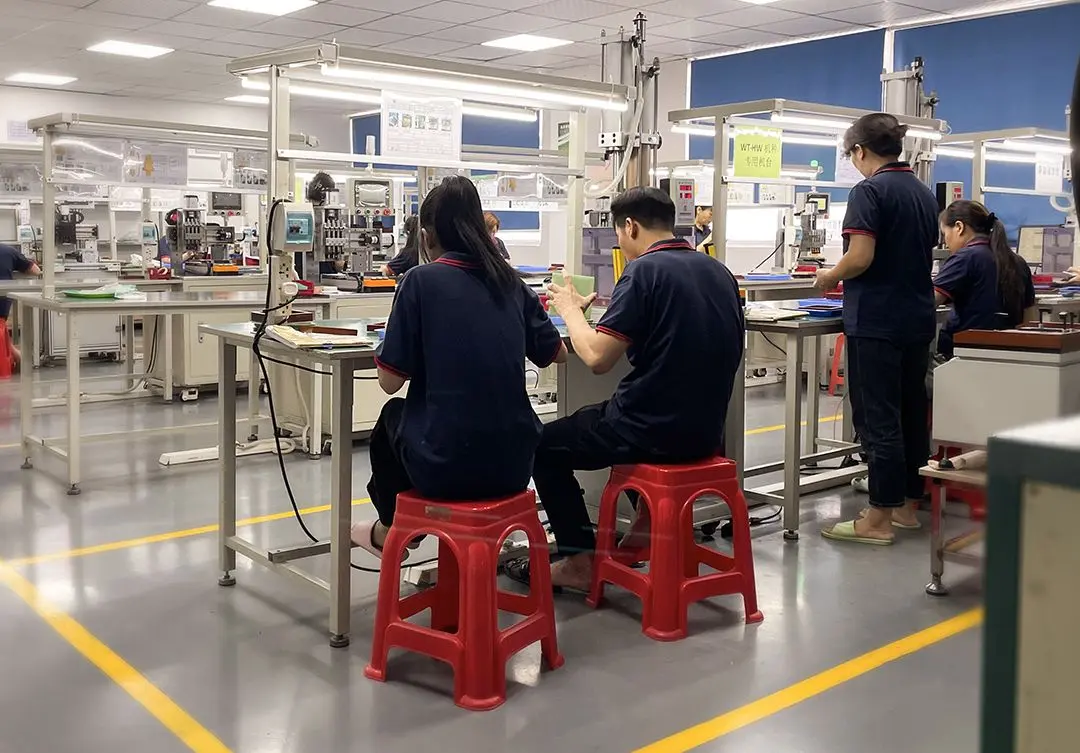
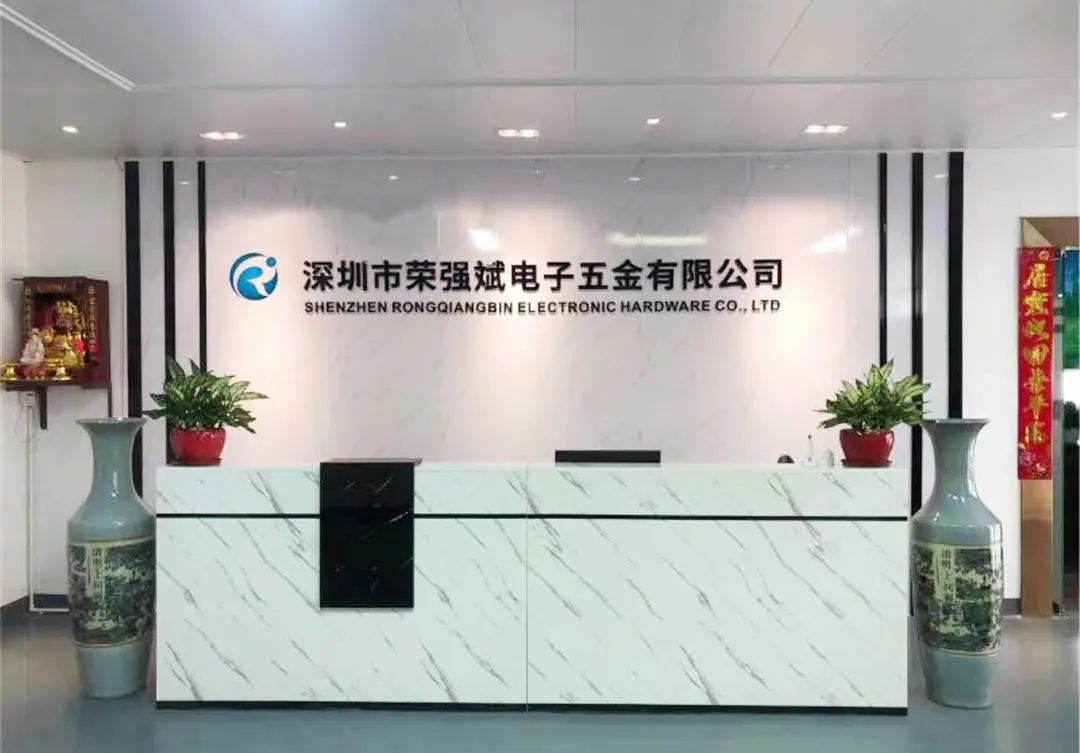
Shenzhen Rongqiangbin Electronic Hardware Co., Ltd. is located in Shenzhen, the leading city of Guangdong-Hong Kong-Macao Greater Bay Area. Our company was founded in February 2011 in Songgang Street, Shenzhen, specializing in the development and manufacturing of Pogopin connectors. After years of efforts and sedimentation, the company gradually became a leader in the industry.
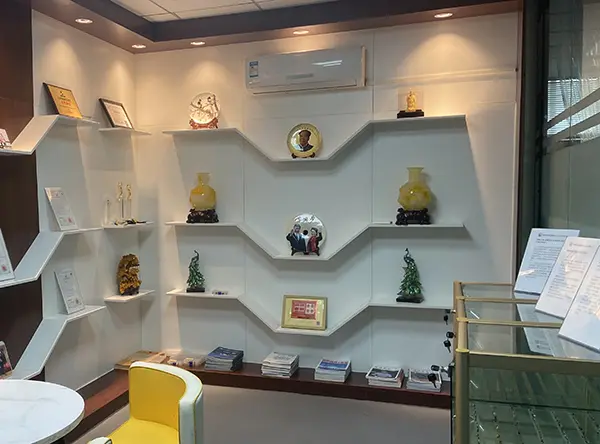
We operate on the spirit of "customer first, integrity first". Backed by a strong POGO PIN industry technology production team, we have established long-term cooperative relationships with numerous world-renowned enterprises. We hold the international authoritative ISO9001:2015 quality management system certification, supporting strict quality control and environmental compliance.

Navigating miniaturization, high current capability, and extreme environmental durability.
Modern PCBs demand pitch distances of less than 1.0mm. To meet this trend, we are engineering pogo pins with diameters under 0.5mm, requiring high-precision micro-machining and advanced cleanroom assembly environments.
With fast charging and EV applications on the rise, current demands have jumped from 2A to 30A+. Our high-current solutions employ solid plunger designs, copper-alloy materials, and thicker gold plating to manage thermal loads.
For outdoor and wearable electronics, pogo pins must maintain water exclusion. We implement double O-ring structural designs, liquid silicone rubber (LSR) overmolding, and waterproof coatings to meet strict IPX7/IPX8 standards.
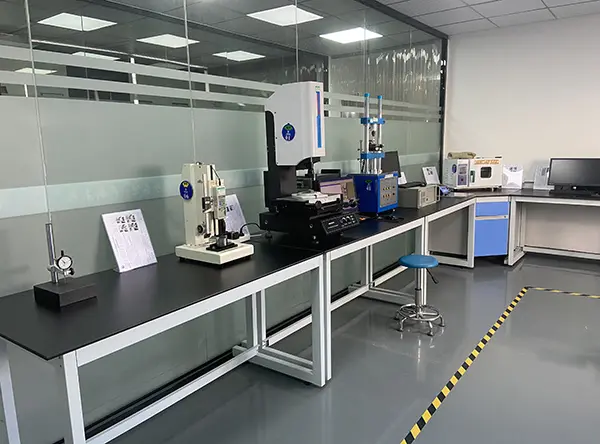
X-Ray Plating Thickness Verification
Automated Durability & Compression Testing
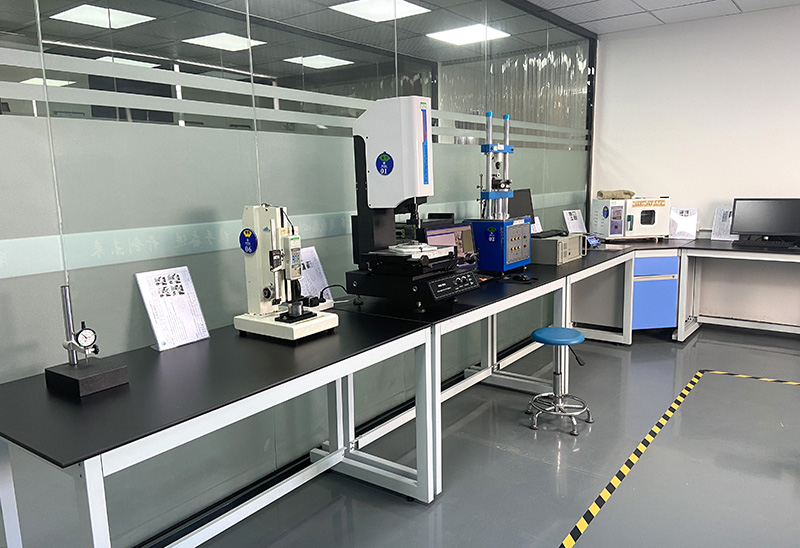
On-Site Optical Inspection Station
Why manufacturing in Shenzhen's Greater Bay Area delivers unique logistics, raw material, and engineering advantages.
Shenzhen's Greater Bay Area is home to the world's most integrated hardware ecosystem. For global procurement directors, sourcing pogo pin connectors from a local manufacturer in Shenzhen translates to substantial supply chain advantages:

Precision Connector Technologies
Inside our ISO9001:2015 certified laboratory and quality control framework.
Quality reliability is the foundation of E-E-A-T. High-precision mechanical spring contacts require absolute consistency. At Shenzhen Rongqiangbin, we maintain strict control over our output through structured internal protocols:
Using computerized force-displacement testers, we generate stroke-force curves for each production batch to verify contact force at working heights.
Salt spray testing (up to 48-96 hours) and thermal cycling chambers verify corrosion resistance and mechanical integrity in challenging operating environments.
We perform automatic optical inspections (AOI) for critical dimensions and defects, coupled with 100% electrical continuity testing prior to dispatch.
Technical answers to key questions about custom pogo pin sourcing, manufacturing, and performance.
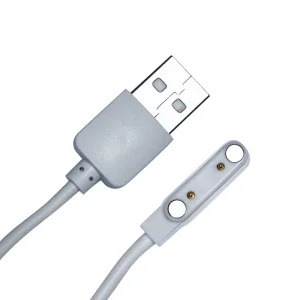
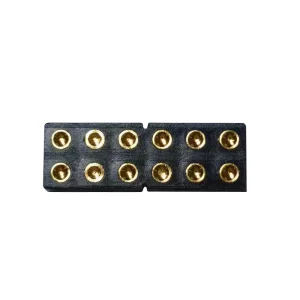
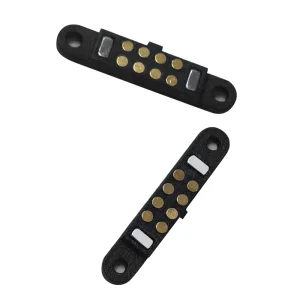
Discover our SMT/SMD, high-current pins, magnetic USB chargers, and customized DIP pogo pin configurations.
 Rongqiangbin Electronic