 Rongqiangbin Electronic
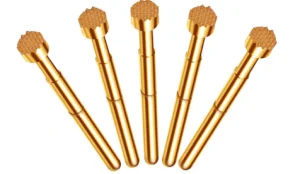
Engineered core components integrated with precision-matched soldering wire configurations for optimized electrical conductivity and structural resilience
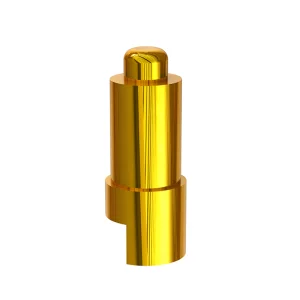
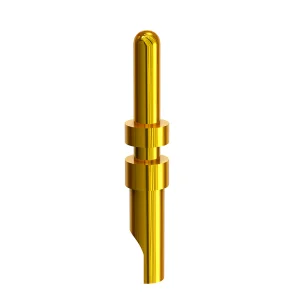
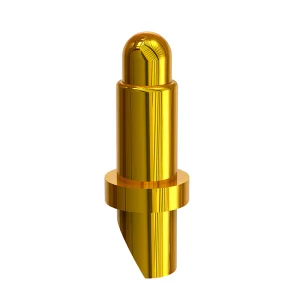
Soldering represents the cornerstone of electronic manufacturing and hardware assembly. The choice of soldering wire type dictates the electrical integrity, mechanical strength, and long-term corrosion resistance of a joint. As industrialization scales up across major Pakistani corridors (Karachi, Lahore, Faisalabad, and Islamabad), understanding the molecular metallurgy and chemical structure of soldering wire types becomes imperative for procurement officers and quality assurance managers.
Modern soldering wires are categorized by alloy composition, core type (flux chemistry), and wire diameter. Selecting the appropriate classification prevents issues like cold joints, excess voiding, and thermal stress on sensitive gold-plated contact points, such as spring-loaded Pogo Pins.
Alloys are engineered to balance physical strength, melting temperature, and wetting capability.
| Alloy Code | Composition | Melting Point | Primary Application Area | RoHS Compliance Status |
|---|---|---|---|---|
| Sn63/Pb37 | 63% Tin / 37% Lead | 183°C (Eutectic) | Legacy Telecom, Local Auto Harnesses | Non-Compliant |
| SAC305 | 96.5% Sn / 3.0% Ag / 0.5% Cu | 217°C - 220°C | High-End Consumer Electronics, Medical Instruments | Compliant |
| Sn99.3/Cu0.7 | 99.3% Tin / 0.7% Copper | 227°C | Cost-Sensitive PCB Assembly, General Soldering | Compliant |
| Sn-Bi-Ag | Low Temp Alloys (e.g., 138°C) | 138°C | Thermally Sensitive Components, Multi-stage Soldering | Compliant |
A solder wire is not just a solid metal thread; it contains one or multiple channels filled with flux. Flux clears oxides from the metal surfaces during heating, ensuring proper molecular bonding (intermetallic layer growth).
Rosin Core (RA/RMA): Rosin-based fluxes are formulated from natural pine resin. Rosin Mildly Activated (RMA) leaves behind a non-conductive, non-corrosive residue. In contrast, Rosin Activated (RA) provides aggressive oxide removal, essential for slightly oxidized copper traces commonly seen in humid storage conditions like those in Port Qasim, Karachi.
No-Clean (NC) Core: Formulated with synthetic resins that leave negligible, non-conductive residue after heating. No-Clean solder wires eliminate the washing phase post-assembly, which is highly cost-effective for high-volume localized electronic manufacturing in Pakistan's Special Economic Zones (SEZs).
Water-Soluble (WS) Core: Highly active organic acids that clean surfaces extremely well but leave highly corrosive, conductive residues. These must be washed off with deionized water, which demands additional capital equipment in the production line.
Under the China-Pakistan Economic Corridor (CPEC) initiative, Special Economic Zones such as Allama Iqbal Industrial City (Faisalabad) and Dhabeji SEZ (Sindh) are shifting Pakistan from an import-reliant digital consumer base to an active electronics assembler. Automotive electronics, LED lighting production, utility smart meters, and local mobile phone assembly (ZTE, Xiaomi, Samsung localized facilities) require high-grade soldering consumables.
Shenzhen Rongqiangbin Electronic Hardware Co., Ltd. serves as a direct technical bridge, providing not only high-purity solder wires but also the specialized Pogo Pin connectors and custom mechanical structures that interface with these PCBs.
Pogo pins feature gold plating over nickel diffusion barriers. Copper-based soldering wires with correct rosin activation prevent intermetallic gold embrittlement.
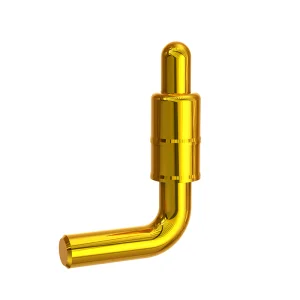
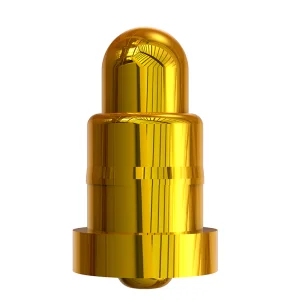
When soldering cables or direct leaded joints to spring-loaded contacts (Pogo Pins), specific considerations must prevent mechanical deformation. Pogo pins are built from three main elements: a plunger, a barrel, and a micro-internal spring. The spring is highly sensitive to extreme temperatures.
If a technician uses an incorrect soldering wire type or operates at excessive temperatures (common when using cheap, high-melting-point lead-free solders without proper flux activation), heat travels up the brass barrel. This thermal transfer can cause the internal spring to lose its elasticity (annealing effect) or melt the internal housing (LCP, Nylon, or PBT plastics).
The Solution: Using a flux-cored soldering wire with a fast wetting velocity allows joints to form in under 1.5 seconds. For automated assembly lines in Pakistan's expanding domestic appliance and consumer electronics sector, we recommend lead-free solder wire containing active, halogen-free rosin core agents. This configuration speeds up intermetallic formation without overheating the spring-loaded contacts.
An Industry Leader in POGO PIN Connector Technology & Precision Electromechanical Components Serving Pakistan's Automotive and Industrial Sectors
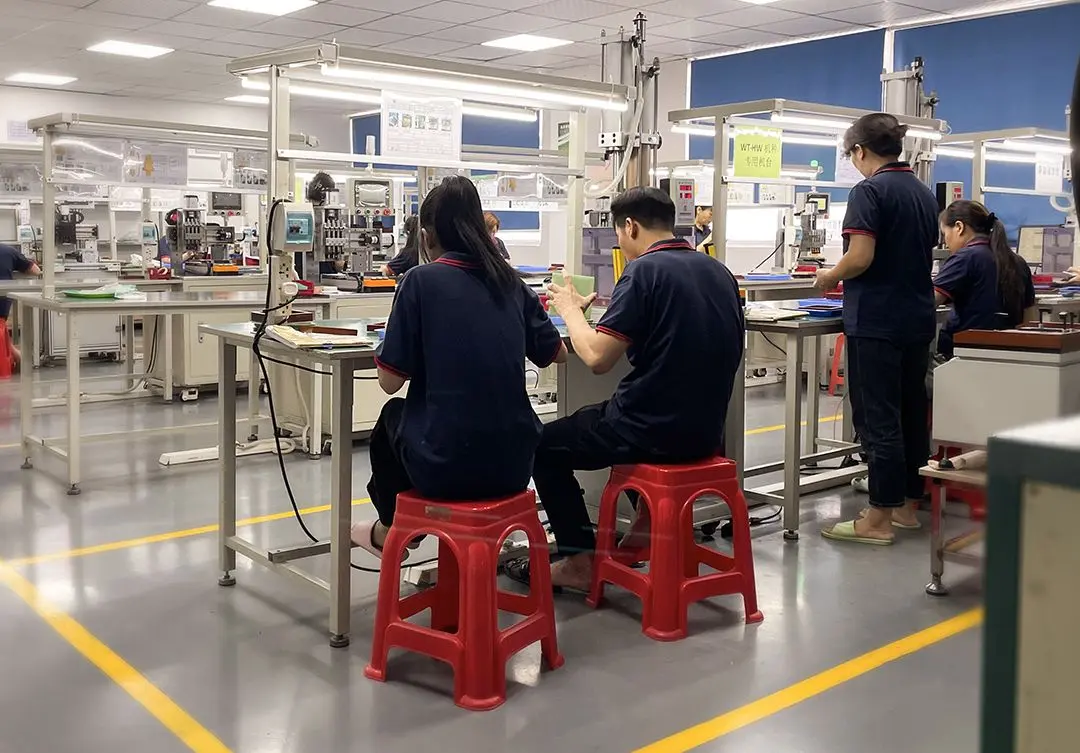
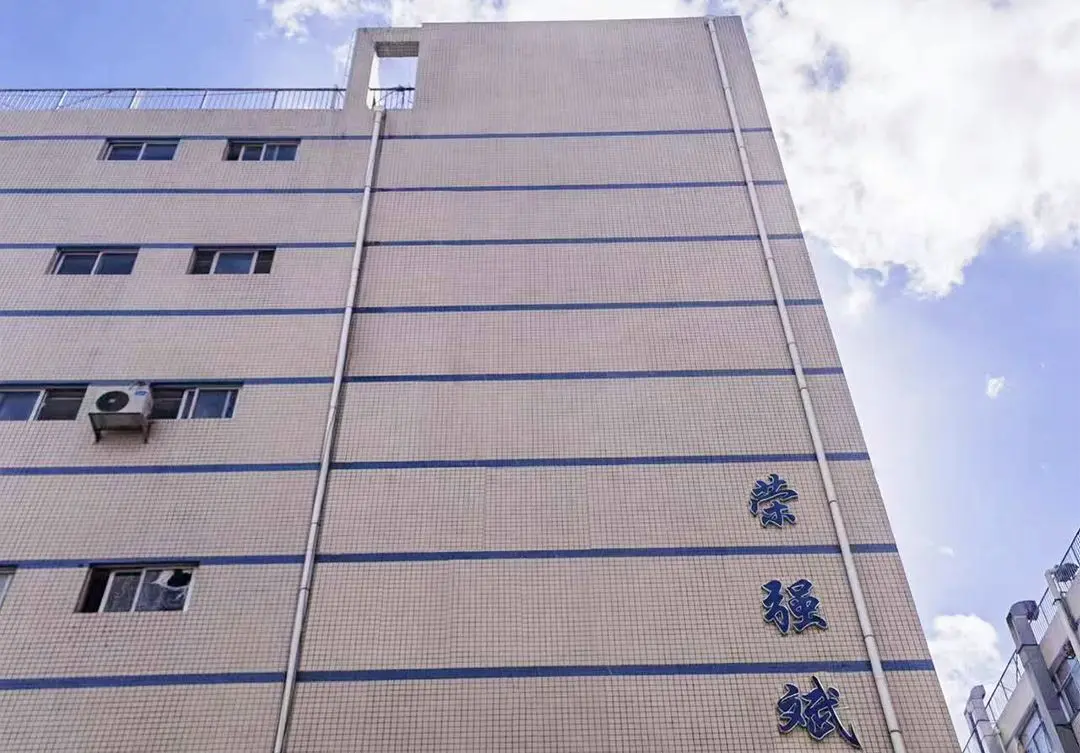
Shenzhen Rongqiangbin Electronic Hardware Co., Ltd. is strategically situated in Shenzhen, the leading city of the Guangdong-Hong Kong-Macao Greater Bay Area. Our company was founded in February 2011 in Songgang Street, Shenzhen, specializing in the development, tooling, and high-volume manufacturing of premium Pogopin connectors.
Through years of engineering focus and production optimization, we have grown into an industry leader. Today, we supply custom connection setups worldwide, serving key manufacturing regions in Pakistan like Karachi's Korangi Industrial Area, Lahore's Sundar Industrial Estate, and Peshawar's emerging tech assembly zones.
Our company values "customer first, integrity first." With a dedicated technical team and advanced equipment, we maintain long-term partnerships with major international and domestic enterprises.
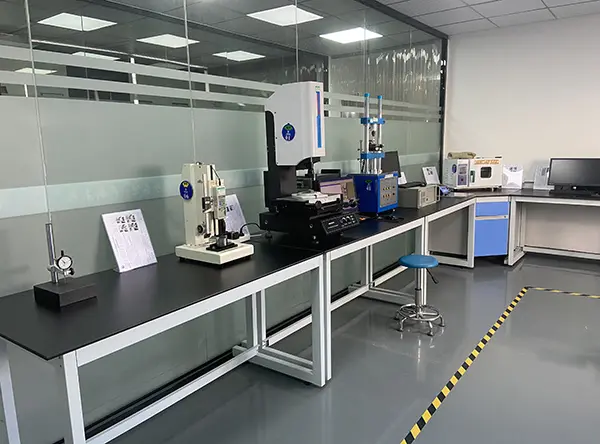
We are certified under the ISO9001:2015 international quality management system. Supported by strict quality assurance protocols and environmental management systems, we ensure all products comply with RoHS and REACH requirements.
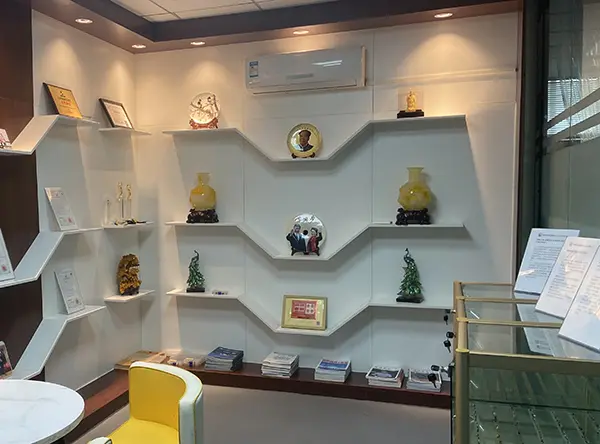
"Committed to be excellent POGO PIN manufacturers for both quality and cost on home and abroad, and leading connector technology development."
 RONGQIANGBIN
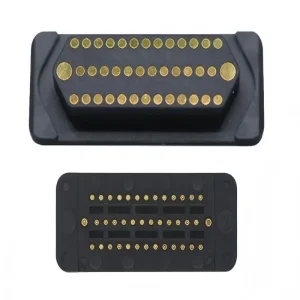
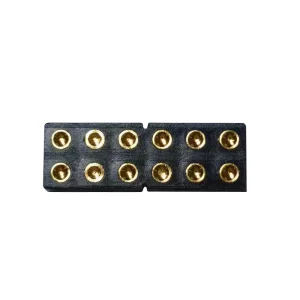
Explore our spring contacts, customized connectors, and high-performance interfaces compatible with standard soldering wires.
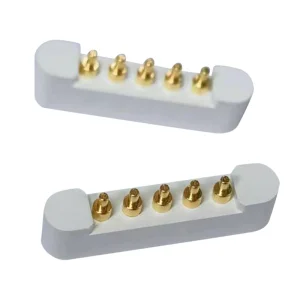
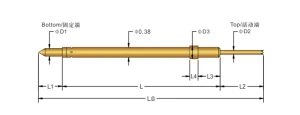
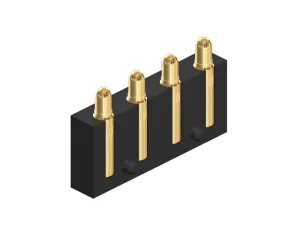
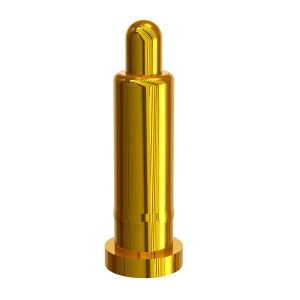
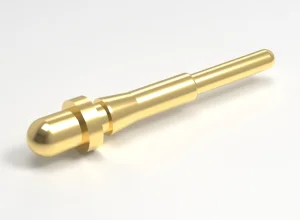
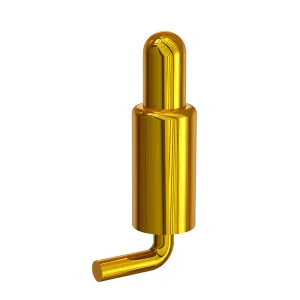
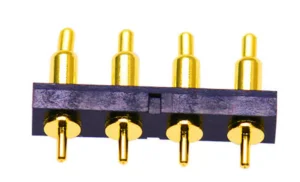
Expert engineering insights for procurement managers and factory technicians in Pakistan's industrial sectors
For standard export products, we recommend SAC305 (Sn96.5/Ag3.0/Cu0.5) to ensure full RoHS compliance. For domestic industrial equipment where leaded alloys are acceptable, a eutectic Sn63/Pb37 wire is preferred because its low melting point (183°C) minimizes the risk of overheating delicate components during manual rework.
High relative humidity promotes copper trace oxidization on stored PCBs and tarnishes the solder wire itself. In these conditions, we recommend using a Rosin Mildly Activated (RMA) or Rosin Activated (RA) flux core instead of standard No-Clean wires. The active rosin agents strip away oxide layers during heating, ensuring strong metallurgical joints. Always store solder spools in climate-controlled areas with desiccants.
The primary cause of failure is thermal damage to the internal spring or outer housing. High temperatures or long dwell times can cause solder to wick into the barrel, locking the plunger. To prevent this, use a solder wire with an active flux core for fast wetting, choose a pre-designed solder cup terminal pin, and limit iron tip contact time to under 2 seconds.
A flux content of 2.2% to 3.0% by weight is standard for automated robotic soldering. This concentration provides sufficient oxide cleaning without leaving excessive residue that could interfere with automatic optical inspection (AOI) systems.
Yes. We handle industrial logistics for shipments to Karachi Port, Port Qasim, and air shipments to Islamabad and Lahore. We supply certified documentation, including Certificate of Conformity (CoC), material test reports, and RoHS compliance statements, to facilitate local customs clearance.
Partner with Shenzhen Rongqiangbin for ISO9001:2015 certified connectors, specialized spring contacts, and expert advice on choosing the right soldering wire configurations for your assembly plant in Pakistan.
Inquire Now & Get Free Technical Samples