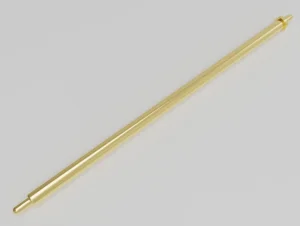
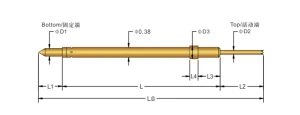
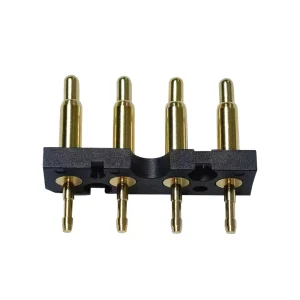
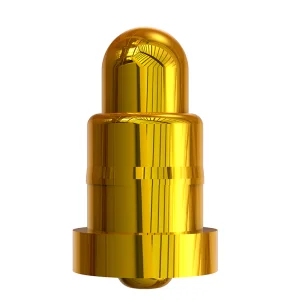
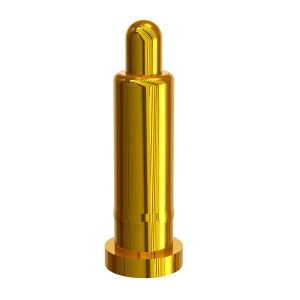
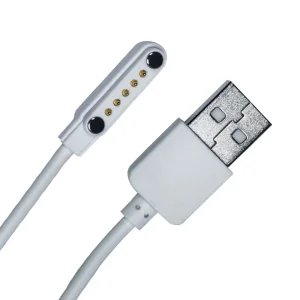
Explore our state-of-the-art CCP (Pogo Pin) connectors designed for medical, smart wearables, military-grade devices, and fast charging systems.
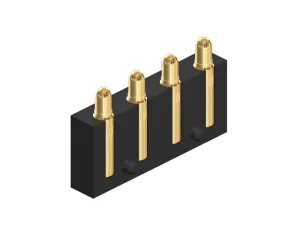
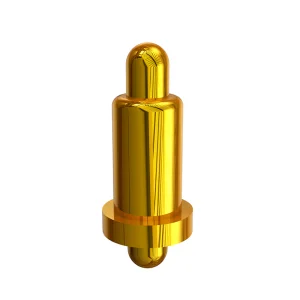
Unveiling the material properties, plating architectures, and design methodologies that dictate stable mechanical electrical performance.
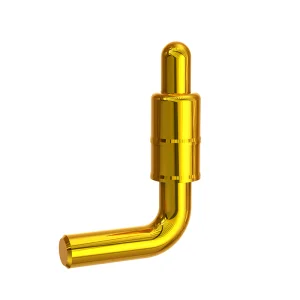
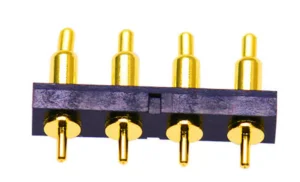
In high-reliability electronics, standard mating methods (such as pin headers, board-to-board connectors, and flat flexible cables) are increasingly replaced by CCP (Chuan Cheng Precision) connectors—commonly known in Western markets as spring-loaded connectors or pogo pins. Unlike static connectors, a CCP connector uses mechanical springs to construct dynamic, compressible contact points. This design permits rapid mating, high tolerance to physical misalignment, and extreme durability over tens of thousands of cycles.
Designing a high-performance CCP connector requires selecting a configuration that matches the product's electrical and mechanical constraints:
| Architecture Type | Current Rating | Contact Resistance | Best Application |
|---|---|---|---|
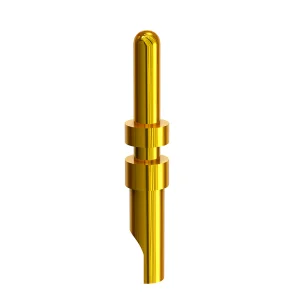
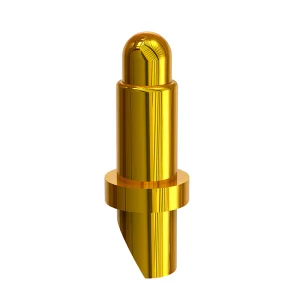
| Back-Drill Structure | < 1.0 Amp | < 50 mΩ | Signal transmission, height-constrained TWS charging cases |
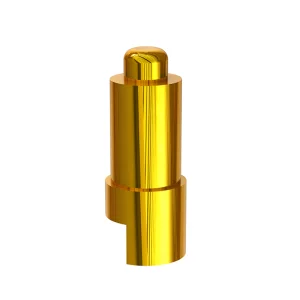
| Bias-Cut Structure | 1.0 - 5.0 Amps | < 30 mΩ | Standard USB charging ports, smart wearables, medical data logs |
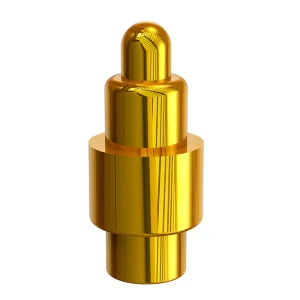
| Ball-Embedded / Ceramic Ball | 5.0 - 30.0 Amps | < 15 mΩ | High-speed fast charging, EV battery packs, industrial docks |
The interface between a CCP plunger and its mating target is subject to friction, environmental contamination, and electrochemical corrosion. Selecting the right plating is vital to achieving a high lifecycle rating (often exceeding 100,000 compressions):
Base Materials: The plunger and barrel are typically turned on high-speed CNC lathes from brass (C3604) or lead-free copper alloys. The springs are wound from music wire (SWP) for elastic memory, or stainless steel (SUS304/SUS316) for corrosion resistance. For high-conductivity setups, beryllium copper (BeCu) is preferred for the plunger.
Layered Barrier Plating: To prevent copper diffusion, a barrier layer of Nickel (1.25 to 2.5 μm) is applied first. For non-magnetic applications like medical MRI machines, Copper (Cu) or Phosphor Bronze serves as the base underplate, while Palladium-Nickel (Pd-Ni) serves as the diffusion barrier.
Top Contact Layer: Gold (Au) remains the industry standard due to its oxidation resistance and low electrical resistivity. Advanced wearables exposed to human sweat, skin oils, and salt spray require specialized plating combinations. Applying a Palladium-Gold (Pd-Au) or Platinum (Pt) alloy finish helps prevent pitting and galvanic corrosion under continuous charging loads.
A decade of engineering excellence, certified manufacturing plants, and a global supply footprint.
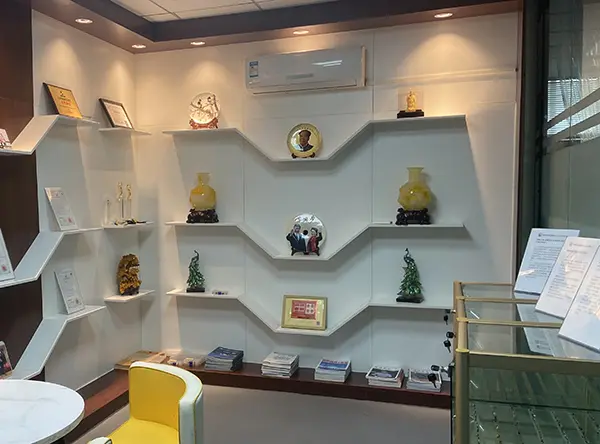
Shenzhen Rongqiangbin Electronic Hardware Co., Ltd. is located in Shenzhen, the leading city of the Guangdong-Hong Kong-Macao Greater Bay Area. Founded in February 2011 on Songgang Street, Shenzhen, we specialize in the development, prototyping, and high-volume manufacturing of CCP/Pogo Pin connectors. Through steady research and industrial expansion, we have established ourselves as an industry leader.
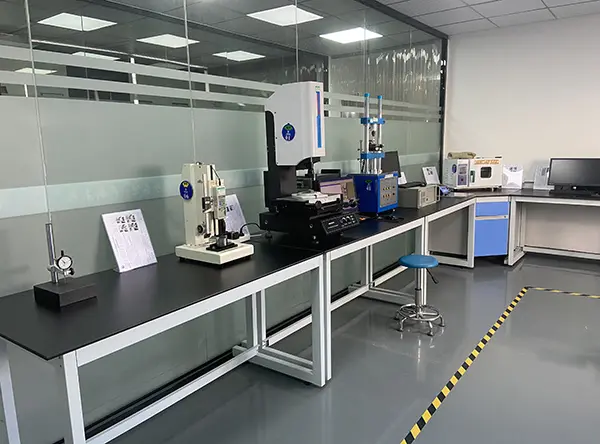
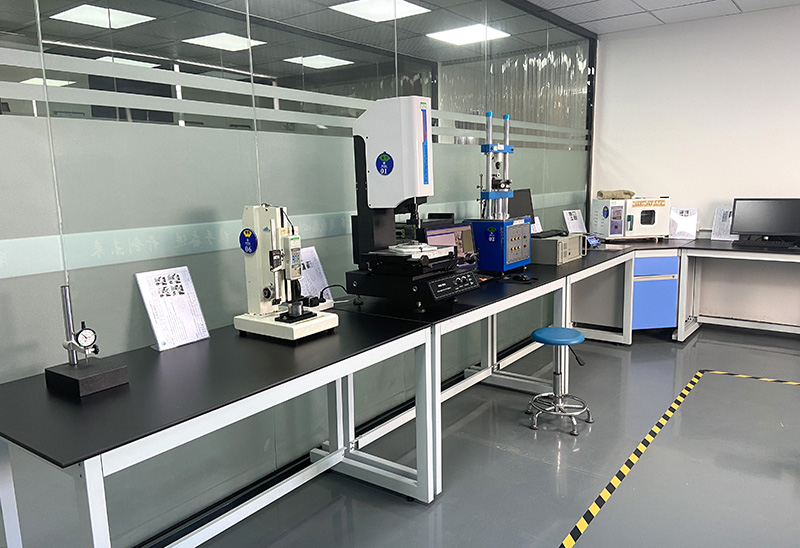
Our commitment to quality is backed by ISO 9001:2015 certification. We run a robust quality management framework and an environmental compliance system to ensure our products meet international ecological standards (RoHS, REACH). We use advanced test equipment to monitor performance, including X-ray plating thickness gauges, contact resistance meters, elasticity stroke testers, and salt spray test chambers.
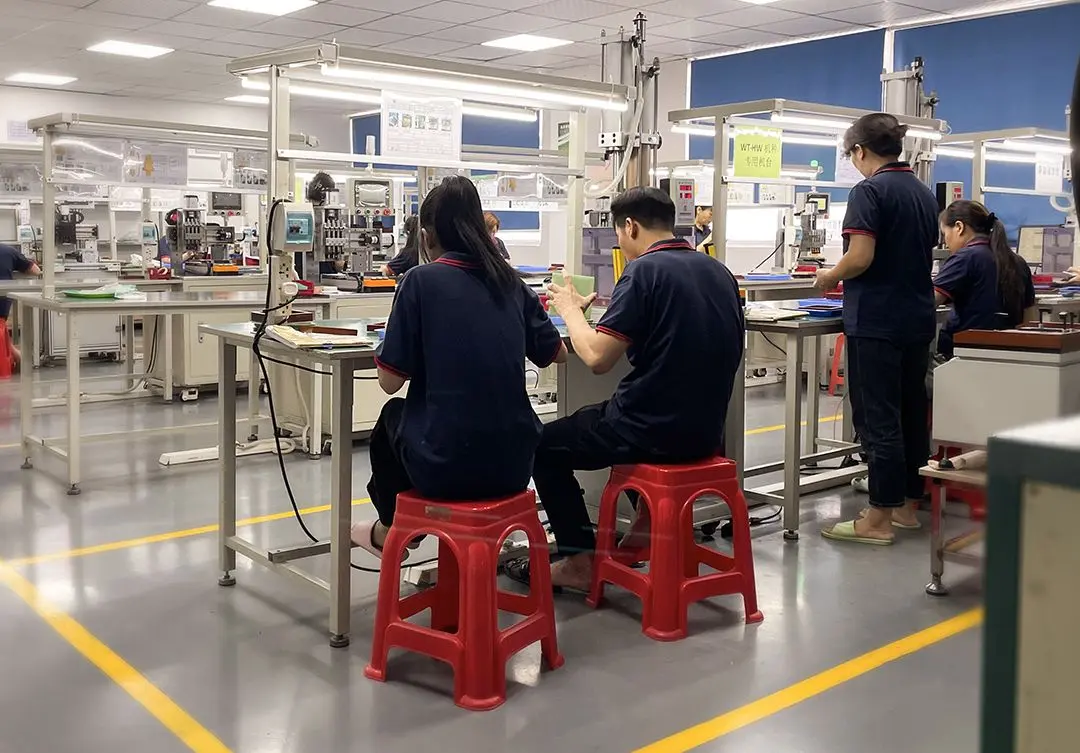
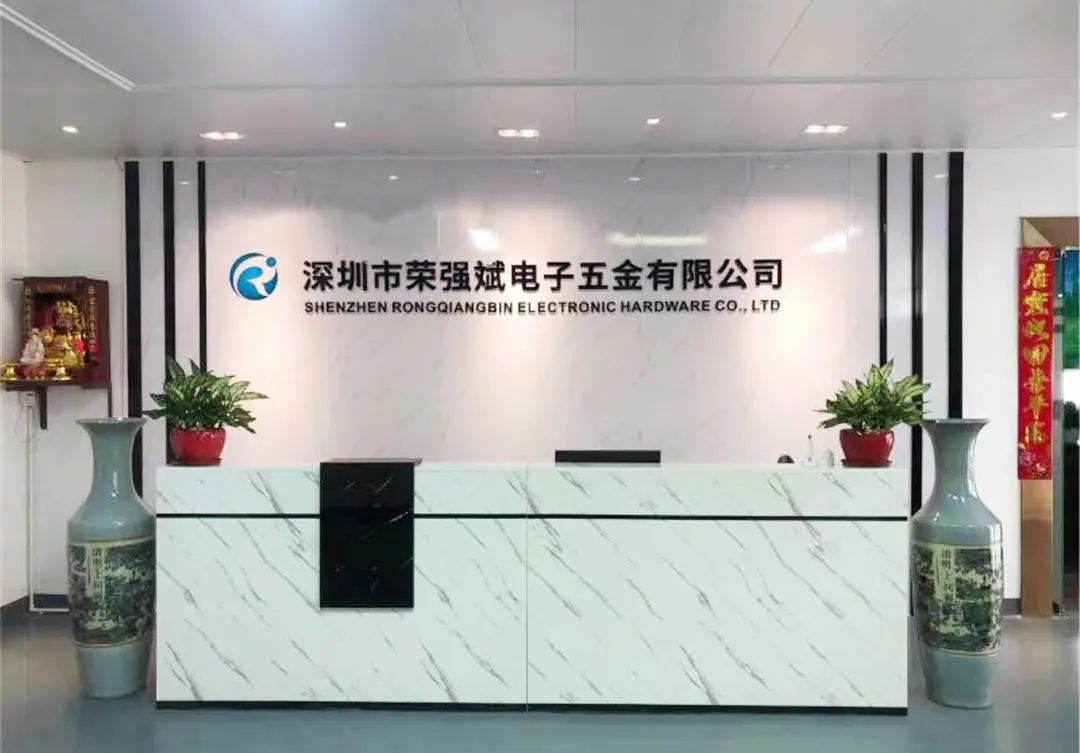
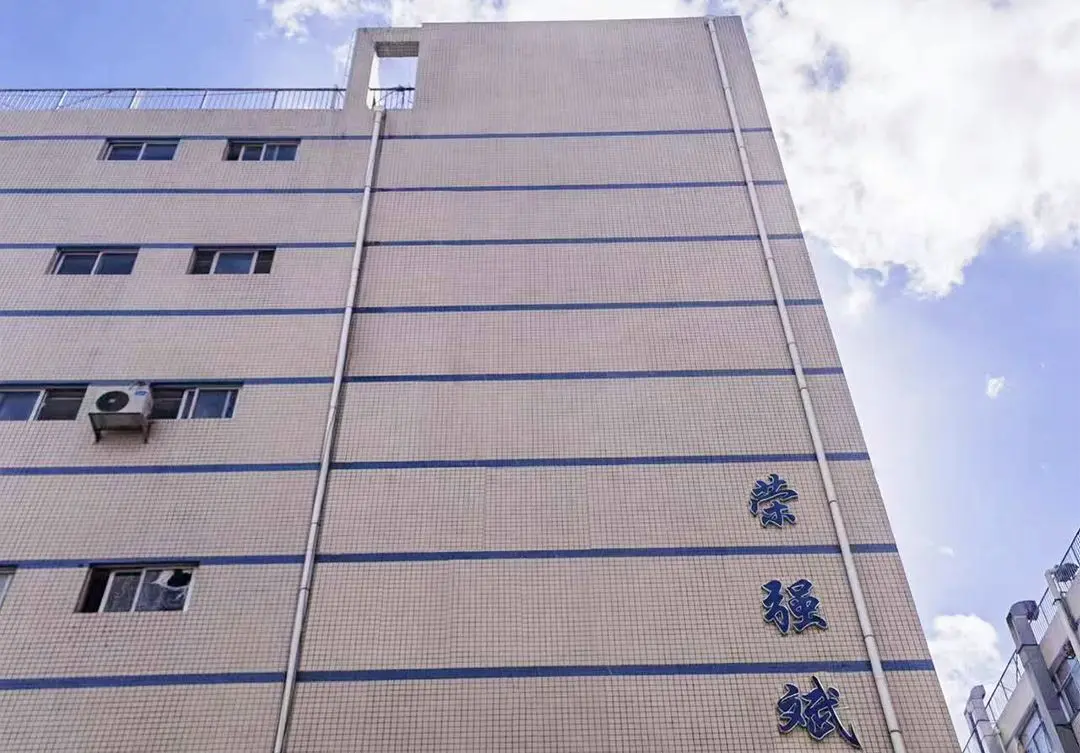
Our goal is to be a top-tier global POGO PIN manufacturer, providing high-quality, cost-efficient solutions and driving connector technology forward. Guided by the principle of "customer first, integrity first," our dedicated technical and production teams build long-term, cooperative relationships with clients worldwide.
We supply high-precision spring contact probes to major international corporations, including:

"Rongqiangbin" (RQB) represents high quality, reliable delivery, and expert support in custom precision hardware engineering. We help companies design durable charging and data interfaces for demanding devices.
Why the Shenzhen industrial cluster is the global benchmark for high-speed precision manufacturing.
In electronics sourcing, China's Greater Bay Area (GBA)—centered on Shenzhen—offers distinct advantages in supply chain integration, cost efficiency, and raw scale. Partnering with a specialized Chinese manufacturer like Shenzhen Rongqiangbin provides global OEMs and ODMs with three key benefits:
All production elements—including brass rods, custom springs, high-purity gold plating chemicals, high-precision lathe equipment, and packaging—are sourced within a 50km radius. This localized ecosystem reduces logistics times and ensures steady supply flows.
Our machining facility utilizes Swiss-type automatic lathes that operate 24/7. These machines achieve dimensional tolerances of +/- 0.005mm. This high precision is critical for manufacturing micro-plungers down to 0.3mm in diameter.
Our engineers can turn custom designs into working samples within 3 to 5 business days. Once validated, our high-speed automated assembly lines scale production to millions of units per week, reducing time-to-market.
How CCP connectors solve complex connectivity issues across modern industrial sectors.
Smartwatches, fitness bands, and TWS (True Wireless Stereo) earbuds require components with small footprints and high corrosion resistance. Because these devices are worn against the skin, their contacts are exposed to sweat and moisture. To prevent pitting and charging failures, our wear-resistant, biocompatible gold alloy plating maintains low contact resistance even after thousands of sweat-exposure cycles.
In medical settings, connectivity failure can compromise patient monitoring and diagnostics. Our CCP pins are engineered with non-magnetic materials to ensure compatibility with MRI and other diagnostic imaging systems. Additionally, they are built to withstand standard chemical disinfectants and autoclave sterilization cycles, ensuring reliable operation in clinical environments.
Modern vehicles rely on extensive sensor arrays, driver monitoring cameras, and infotainment interfaces. These systems require connections that can handle constant engine vibration and thermal fluctuations. Our automotive-grade pogo pins feature high spring-force plungers (ranging from 100g to 250g) and robust mechanical housings, ensuring uninterrupted contact through rough driving conditions and temperature extremes from -40°C to +105°C.
The technological shifts driving miniaturization, high data rates, and robust environmental protection.
As electronic devices become thinner, faster, and more resilient, CCP connectors are evolving to meet three key industry trends:
As wearable tech and internal circuit boards shrink, the spacing (pitch) between connector pins must decrease. Current research focuses on manufacturing ultra-micro pogo pins with outer diameters under 0.3mm and mounting pitches down to 0.4mm, all while maintaining mechanical durability and spring return force.
Historically used only for power delivery, modern pogo pins are increasingly designed to carry high-frequency signals. By optimizing pin impedance (typically to 50Ω or 90Ω), new designs support data protocols like USB 3.1 Gen 2, HDMI, and PCIe, making them suitable for docking stations and magnetic adapters.
Consumer and outdoor electronics require robust water protection. Next-generation CCP connectors use insert-molding, over-molding, or dynamic O-ring seals. These methods allow the connector pins to form a hermetic barrier, achieving IP68 or IP69K ratings to protect internal circuit boards from water ingress.
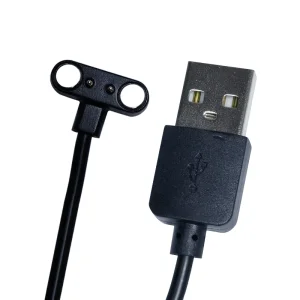
To improve user convenience and protect device ports, magnetic charging systems are becoming more common. Integrating neodymium (NdFeB) magnets with pogo pin arrays ensures reliable, self-aligning connections. This design is widely used in wearable charging docks, rugged tablet interfaces, and industrial power ports.
Key technical criteria for evaluating and qualifying CCP connector suppliers.
When selecting a manufacturing partner, global sourcing teams should look beyond unit prices. Evaluating these key quality and performance metrics ensures long-term reliability and minimizes field failures:
Expert technical answers to common questions about CCP and pogo pin connectors.
Precision-crafted spring-loaded pins, magnetic cable assemblies, and specialized wire-to-board solutions.
 Rongqiangbin Electronic