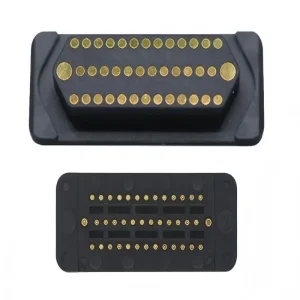
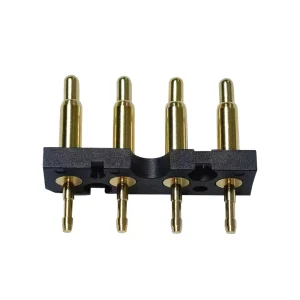
Explore our selection of surface mount technology (SMT) and surface mount device (SMD) spring-loaded connectors engineered for high-durability electrical routing.
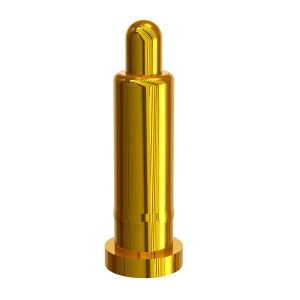
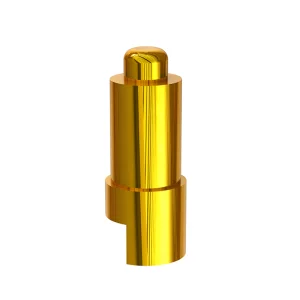
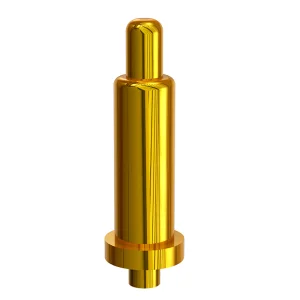
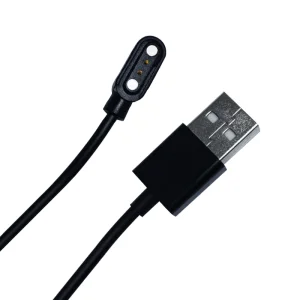
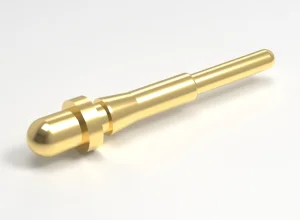
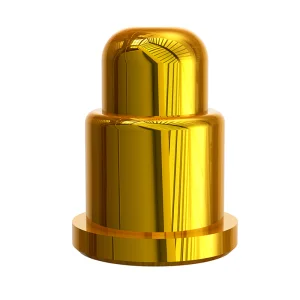
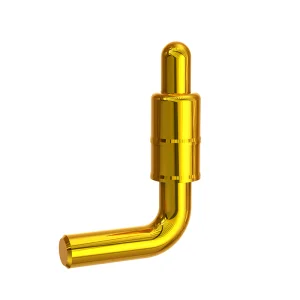
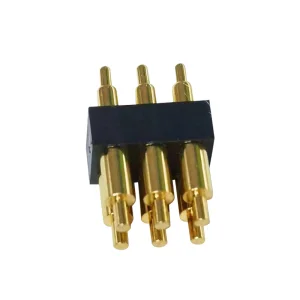
In modern electronic product design, constraints such as space optimization, automated assembly speeds, and consistent physical connection integrity have driven the industry standard away from traditional wire-to-board interfaces toward surface-mount spring-loaded contacts. Known widely as SMT/SMD pogo pins, these electronic elements rely on structural and surface-plating physics to achieve seamless connection integrity under dynamic conditions.
As a leading ODM SMD Pogo Pins Factory, Shenzhen Rongqiangbin Electronic Hardware Co., Ltd. customizes micro-miniature solutions to meet these industry demands. This comprehensive document analyzes pogo pin architecture, materials science, assembly integration, and practical operating characteristics across diverse global markets.
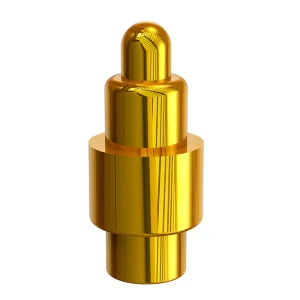
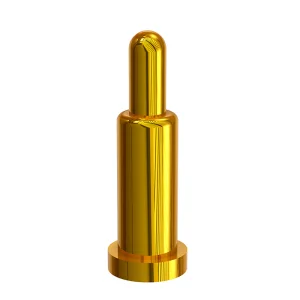
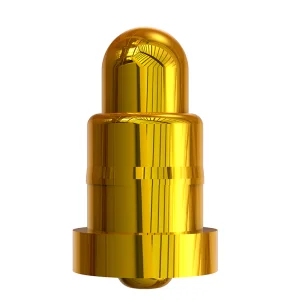
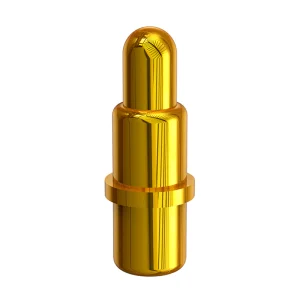
A standard SMD pogo pin consists of three core machined parts: a plunger, a precision internal spring, and a base barrel. Together, they establish a reliable mechanical interface. Each component serves a distinct physical function that demands precise material selection and geometric calculations.
Typically machined from Lead-Free Brass (C3604) or Beryllium Copper (C17200), the plunger directly mates with the target contact pad. Tip styles include pointed, flat, concave, convex, or multi-point designs to optimize mating contact resistance.
Constructed using high-durability Stainless Steel (SUS304) or Music Wire. The spring controls the mechanical life span and ensures continuous mating force throughout the product's compression range.
Manufactured using brass for optimized electrical conductivity and structural strength. Designed with flat-bottom configurations, pins, or specific flanges to facilitate automated SMT pick-and-place processes.
In addition to basic alloys, precision electroplating prevents oxidative wear. Standard configurations feature a nickel barrier layer (minimum 1.25 µm) to limit base-metal migration, topped with hard-gold plating (ranging from 0.05 µm up to 1.5 µm depending on cycling metrics). Premium options include Palladium-Nickel (Pd-Ni) coatings for designs that undergo up to 1,000,000 mating cycles.
| Performance Indicator | Standard Pogo Pin Specification | Advanced Custom/ODM Pogo Pin (Rongqiangbin) |
|---|---|---|
| Static Contact Resistance | < 50 mΩ | < 15 mΩ (Ultra-low contact resistance) |
| Current Handling Capacity | 1.0A to 2.0A | Up to 15.0A (High-current designs) |
| Mechanical Compression Cycles | 10,000 to 50,000 cycles | 100,000 to 1,000,000 cycles |
| Coplanarity Variance (SMD) | < 0.15 mm | < 0.05 mm (High-density surface mount) |
| Spring Force Operating Range | 0.5 N to 1.2 N | Customized from 0.2 N to 3.0 N |
SMD/SMT pogo pins are designed for automated assembly. Surface coplanarity is critical to preventing cold solder joints during reflow. Flat-surface barrels with carrier tape-and-reel packaging facilitate high-speed pick-and-place nozzles.
To avoid solder wicking (where solder climbs the interior of the barrel via capillary action during liquidus phases), we utilize a proprietary cap design and a press-fit ball arrangement at the base. This provides a hermetic seal against flux ingress, protecting spring tension from thermal fatigue in lead-free reflow profiles (which peak at 260°C).
SMD Pogo Pins serve as crucial physical links across medical, automotive, aerospace, and consumer technology sectors.
Widely deployed in mechanical keyboard hinges, smartwatches, tracking bands, and high-frequency RF connections where board-to-board space is minimal.
Under-the-hood and cabin electronics rely on high-reliability, vibration-resistant pins to bridge vehicle sensors, LiDAR arrays, and ADAS modules.
Used in disposable sensing cartridges and patient-monitoring patches that require clean electrical signal transitions, biocompatible gold plating, and robust cleaning cycles.
Operating a global supply chain requires strict adherence to international regulatory systems. Standard off-the-shelf catalog products often fall short of specific target application parameters. Custom ODM projects require verification of chemical and environmental certifications, including:
How our Shenzhen manufacturing base guarantees high output, rapid design iteration, and globally competitive pricing.
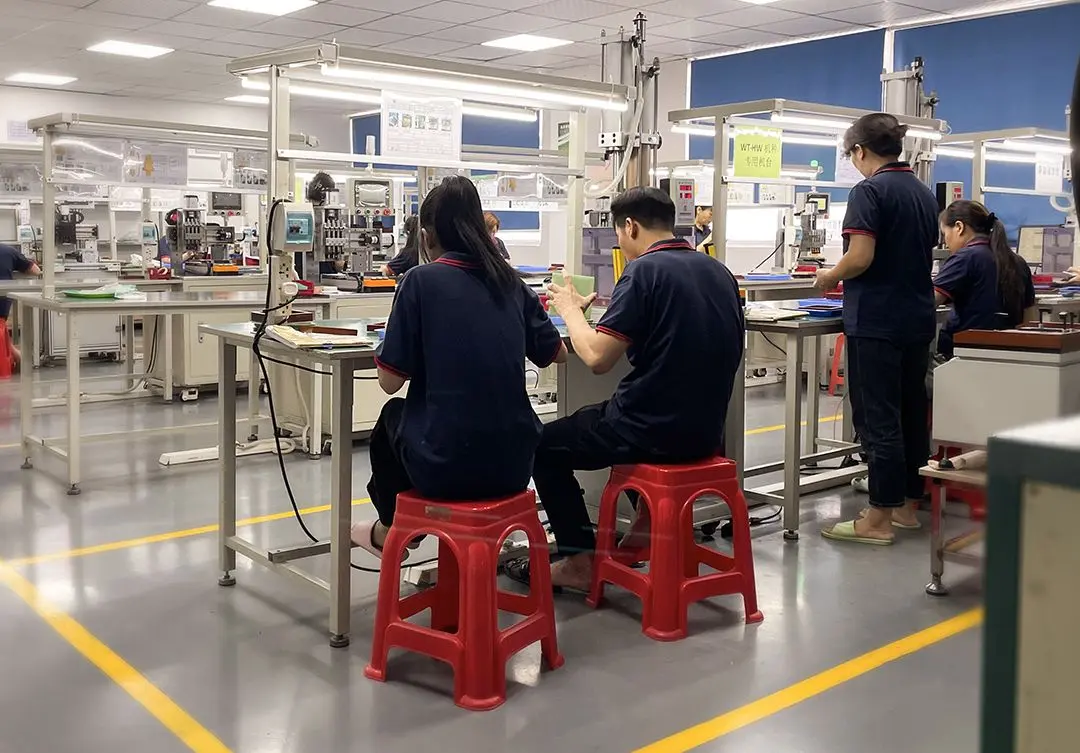
Shenzhen's Songgang district is a premier global hub for precision metal machining and electronics assembly. Leveraging this industrial cluster, Shenzhen Rongqiangbin Electronic Hardware Co., Ltd. integrates raw material sourcing, Swiss-type CNC automatic lathes, high-speed plastic injection molding, and automated assembly/packaging systems in one localized setting.
This geographic concentration allows us to complete custom CAD designs, finite element analysis (FEA) on mechanical spring forces, prototype iterations via precision tooling, and production scaling in a fraction of the time required by fragmented supply chains. Our advanced in-house quality control center performs 100% video-based automated optical inspections (AOI) alongside dynamic testing for current load, life cycles, and environmental salt-spray performance.

Founded in February 2011, Rongqiangbin has focused on the engineering, design, and mass production of high-performance pogo pin connectors. Through decades of dedication and research, our enterprise has become a leader in custom contact solutions for demanding industries.
Guided by our core principles of "customer first, integrity first," our team supports engineering groups worldwide. By implementing the ISO9001:2015 Quality Management System, we deliver high-reliability connections that meet strict environmental regulations.
Next-generation electronic trends driving the design of high-frequency, high-current, and ultra-miniaturized contact pins.
As micro-electronic products evolve, pogo pin design must keep pace. We are actively developing next-generation technologies to address these emerging trends:
Standard pogo pins exhibit parasitic inductance that can degrade signal integrity above 1 GHz. To support high-frequency transmission (such as 5G/6G RF circuits, USB 4, and high-speed PCIe lanes), our design team optimizes the barrel-to-plunger contact geometry to minimize impedance mismatch and reflection losses.
Wearable IoT devices and high-density PCB layouts require pitches tighter than the traditional 1.0mm standard. By utilizing micro-precision Swiss lathes, we manufacture micro-pogo pins with outer diameters down to 0.3mm and heights under 1.5mm, maintaining stable spring forces within extremely tight mechanical envelopes.
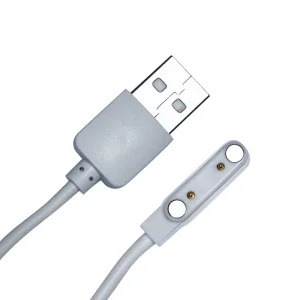
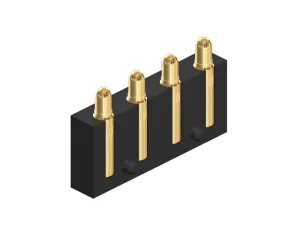
To reduce cable connection wear, magnetic-assisted self-alignment systems are increasingly standard in consumer electronics and industrial equipment. Our integrated magnetic connectors combine permanent NdFeB magnets with gold-plated SMD contact pins, offering self-locating interfaces that shield circuits against dust, water, and debris (IP67/IP68 rated).
Answers to common design and integration questions from hardware design engineers.
Explore our secondary selection of specialized spring-loaded pin connectors, magnetic interface cables, and high-durability sockets.
 Rongqiangbin Electronic